 English
 Español
 中文简体
中文简体Introduction to Hydraulic Adapter Fittings
Hydraulic adapter fittings play an essential role in hydraulic systems by connecting various components, such as hoses, pipes, and valves, to ensure the smooth and efficient transmission of hydraulic fluid. These fittings are designed to withstand high pressure and heavy loads, making them suitable for a wide range of applications, including those that require high-frequency operations. Hydraulic systems are integral to industries such as construction, agriculture, manufacturing, and transportation, where they are used for everything from heavy machinery to vehicle systems. Adapter fittings allow for the seamless transition between different sizes or types of tubing and ensure leak-free operation, even under demanding conditions.
The Role of Hydraulic Adapter Fittings in High-Load, High-Frequency Systems
Hydraulic systems that operate under high loads and high-frequency conditions require precise and durable components to function properly. In such systems, the pressure and the frequency of fluid movement are elevated, which puts additional stress on the components, including the hoses, pipes, and connections. Hydraulic adapter fittings are designed to withstand these extreme conditions, ensuring that the system remains reliable and functional throughout its operation.
The main role of hydraulic adapter fittings in high-load, high-frequency systems is to ensure that the connection points between various hydraulic components are secure and leak-free. These fittings are capable of handling high pressure and flow rates without compromising the integrity of the system. Moreover, they provide flexibility in the system design by allowing for the integration of different types of hoses and pipes with varying diameters or materials. This adaptability is crucial in high-load, high-frequency systems, where the conditions may change frequently, and custom solutions are often needed.
Key Characteristics of High-Load, High-Frequency Hydraulic Systems
High-load, high-frequency hydraulic systems are typically found in industries that require heavy-duty machinery and equipment. These systems are subject to both high pressure and rapid cycling, meaning that they must be designed to operate efficiently under these stressful conditions. The key characteristics of these systems include high flow rates, high pressures, and frequent, rapid changes in the direction of fluid flow. Hydraulic adapter fittings must be able to handle these demands without compromising system performance.
High-load systems are characterized by the need to handle large amounts of force. In such systems, the hydraulic fluid must be delivered under high pressure to ensure that heavy machinery operates effectively. High-frequency systems, on the other hand, involve rapid cycles of hydraulic fluid movement, often requiring quick responses and minimal downtime. In these systems, the frequency of fluid cycling can cause wear on traditional components, which is why high-performance adapter fittings are necessary to ensure that the system remains operational and efficient.
Applications of Hydraulic Adapter Fittings in High-Load, High-Frequency Systems
Hydraulic adapter fittings are used in several industries where high-load and high-frequency systems are common. Some of the most notable applications include construction machinery, agricultural equipment, manufacturing systems, and automotive and transportation systems. In each of these applications, the hydraulic system is expected to perform reliably and consistently, even under extreme conditions.
Construction Machinery
In construction machinery, such as excavators, cranes, and bulldozers, hydraulic systems are often used to move heavy loads and perform complex tasks, such as lifting, digging, and pushing. These systems operate under high pressure and frequently experience rapid cycles of fluid movement as the equipment moves and adjusts. Hydraulic adapter fittings are crucial for connecting different parts of the hydraulic system, such as pumps, cylinders, and valves. These fittings must be able to handle high pressures while maintaining a secure and leak-proof connection, even in harsh environmental conditions such as dirt, dust, and vibration.
Agricultural Equipment
Hydraulic systems in agricultural machinery, such as tractors, combines, and harvesters, must be able to withstand both high load and high-frequency conditions. Agricultural equipment often operates in challenging environments, requiring systems that can handle constant pressure and fluid flow while maintaining consistent performance. Hydraulic adapter fittings are used to connect hoses and pipes that transport hydraulic fluid throughout the machinery, ensuring that the system operates without leaks or pressure loss. These fittings must also be able to withstand exposure to various environmental factors, such as weather conditions and exposure to dirt and debris.
Manufacturing and Industrial Systems
In manufacturing and industrial systems, hydraulic systems are commonly used to power presses, conveyors, and robotic arms, among other equipment. These systems require precision and efficiency, often operating under high pressure to carry out heavy-duty tasks. The need for high-frequency cycles is also common, as manufacturing processes often require rapid movements and precise control. Hydraulic adapter fittings in these systems must ensure that the fluid flows smoothly between components while withstanding the high-pressure conditions. Additionally, these fittings must be durable enough to handle frequent cycling and the stresses that come with rapid, repetitive movements.
Automotive and Transportation Systems
Hydraulic systems are also integral to automotive and transportation systems, such as those found in commercial vehicles, aircraft, and trains. These systems are subject to both high loads and high frequencies, especially in critical applications such as braking systems, steering mechanisms, and suspension systems. In these vehicles, hydraulic adapter fittings play a key role in connecting various components of the system, ensuring that the hydraulic fluid flows efficiently and without leaks. The ability to handle high pressure and rapid fluid movements is essential in ensuring the safety and reliability of these systems.
Types of Hydraulic Adapter Fittings Suitable for High-Load, High-Frequency Systems
There are several types of hydraulic adapter fittings that are designed specifically for high-load, high-frequency applications. These fittings are made from durable materials and designed to handle the unique stresses of high-pressure and high-flow systems. Some of the most common types of adapter fittings include threaded, flanged, and quick-connect fittings. Each of these types of fittings is suited for different system configurations, depending on the specific requirements of the application.
Threaded Hydraulic Adapter Fittings
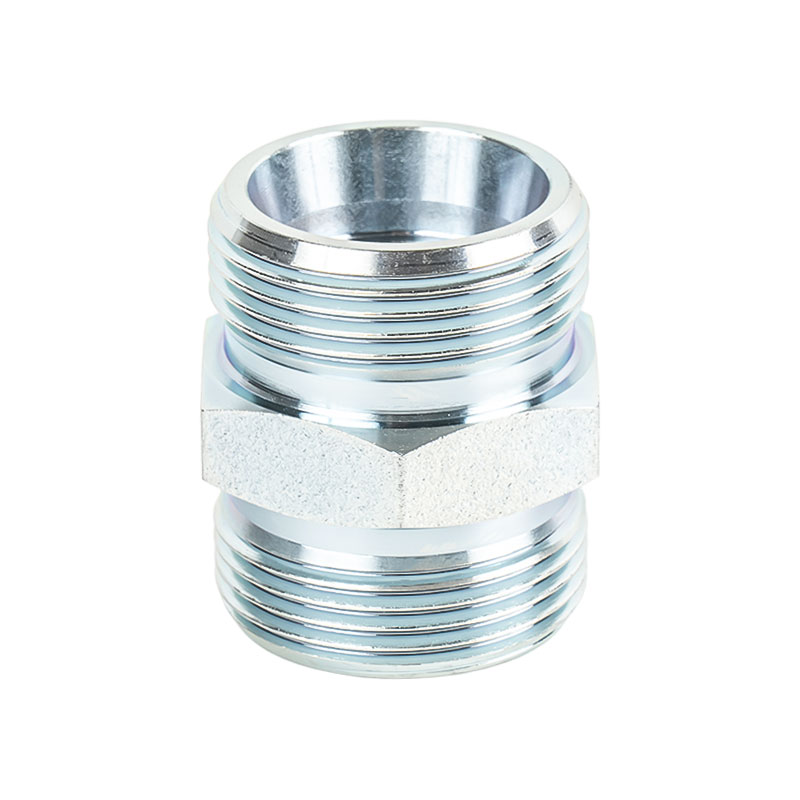
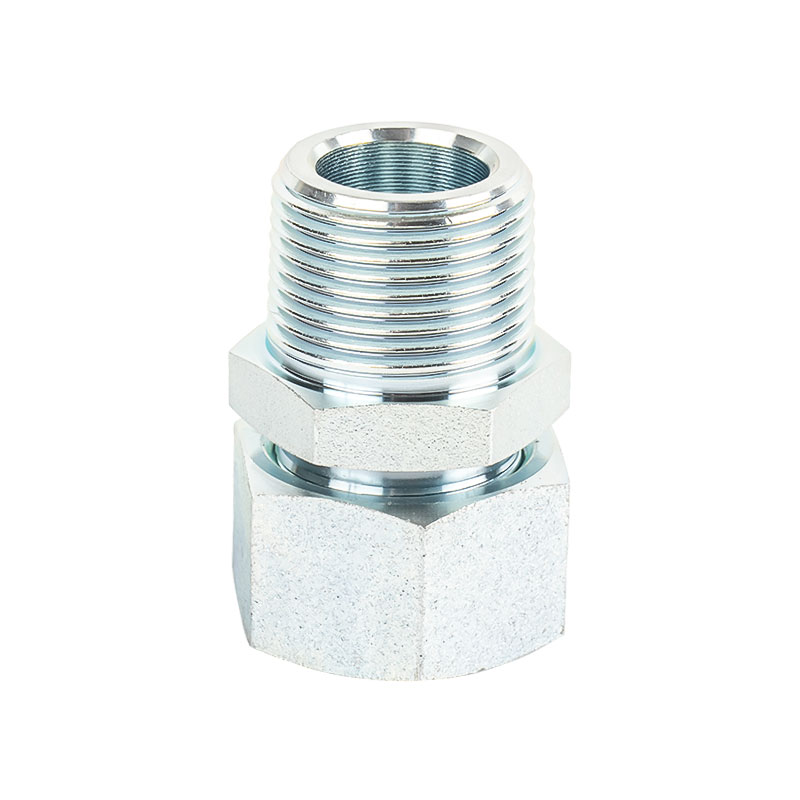
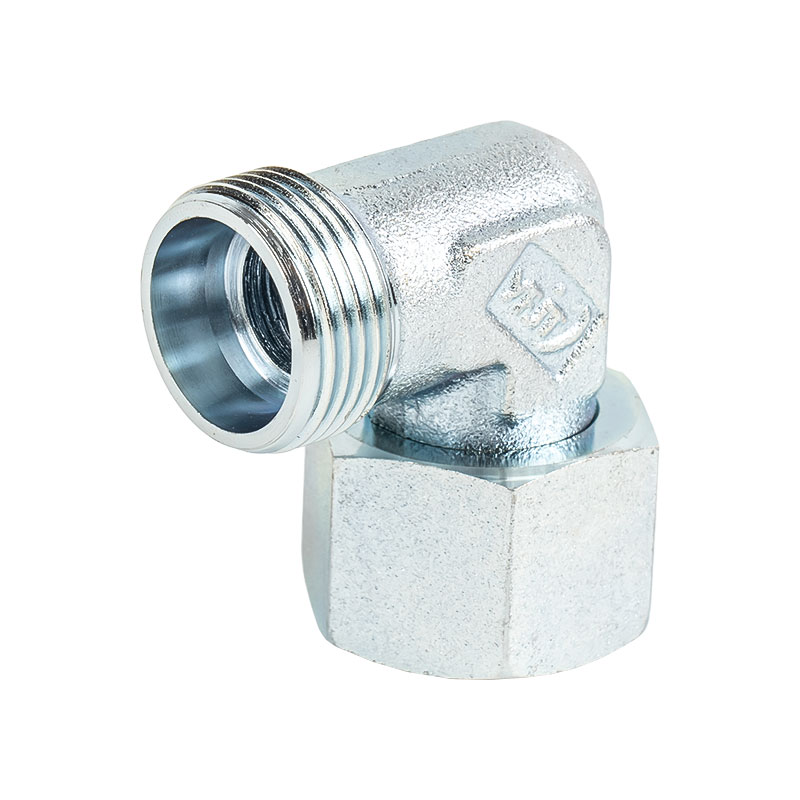
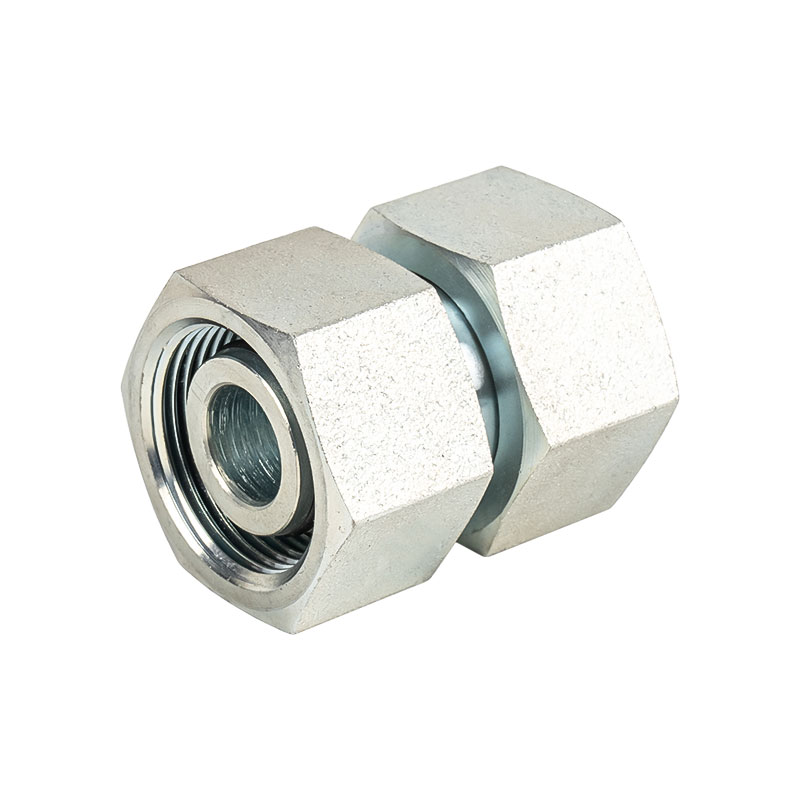
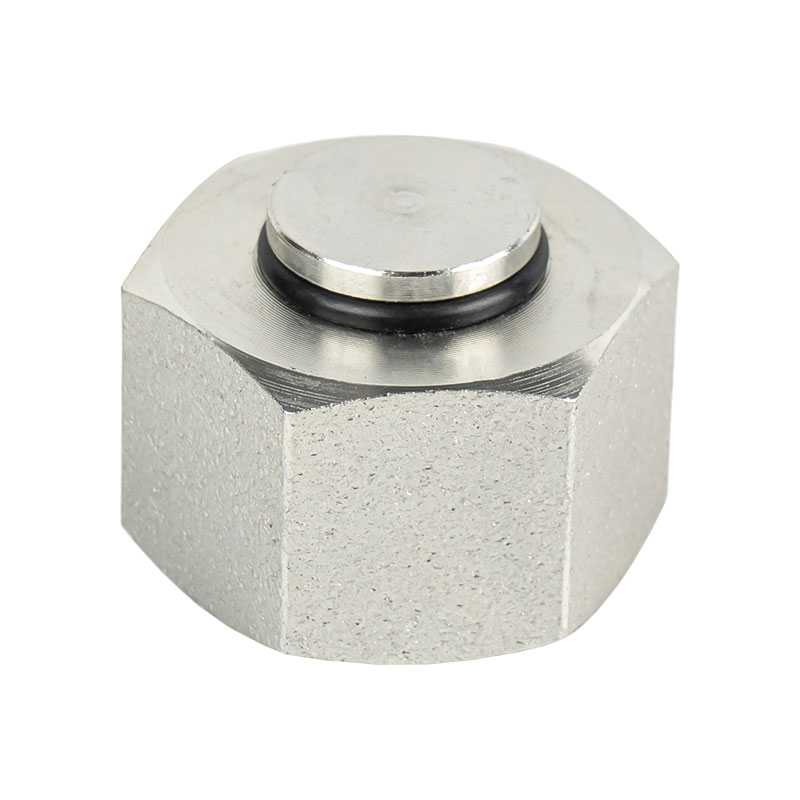
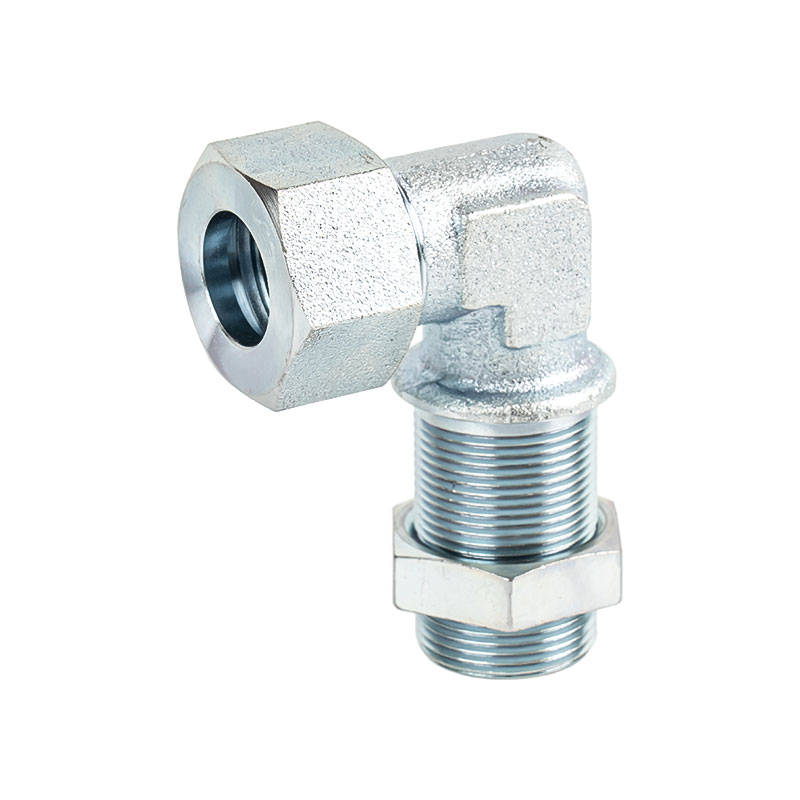
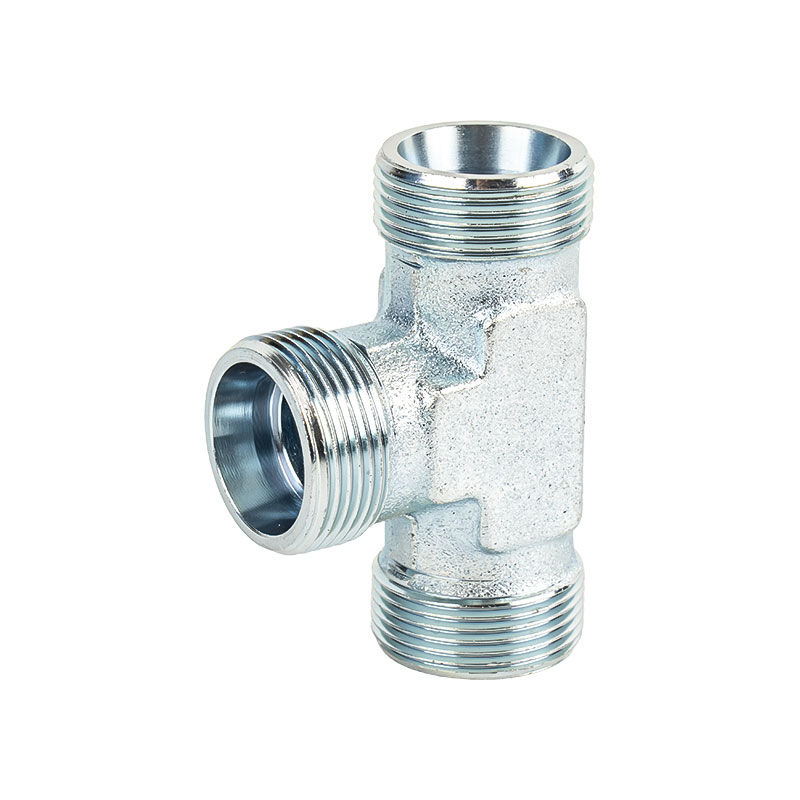
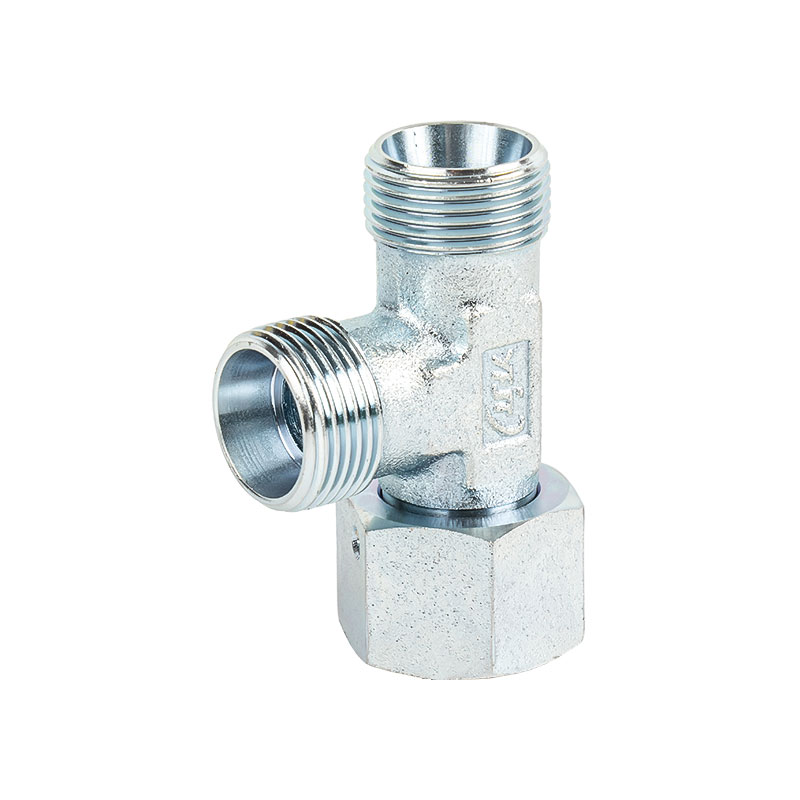
Threaded hydraulic adapter fittings are commonly used in systems where a secure, permanent connection is needed. These fittings are designed to screw into place, creating a strong and leak-free connection between hoses, pipes, and other components. Threaded fittings are particularly suitable for high-pressure systems, as the threading ensures a tight seal that can withstand the force exerted by the hydraulic fluid. They are commonly used in construction and manufacturing equipment, where high-load and high-frequency conditions are common.
Flanged Hydraulic Adapter Fittings
Flanged hydraulic adapter fittings are used in systems where a larger, more robust connection is required. These fittings feature a flange that is bolted to the corresponding part, creating a strong connection that can handle high pressure and heavy loads. Flanged fittings are often used in larger systems, such as industrial machinery, where the need for durability and strength is paramount. These fittings are ideal for high-load, high-frequency systems due to their ability to resist vibration and wear over time.
Quick-Connect Hydraulic Adapter Fittings
Quick-connect hydraulic adapter fittings are designed for ease of use and rapid connections and disconnections. These fittings are commonly used in systems that require frequent maintenance or where components need to be replaced or swapped out quickly. Quick-connect fittings are suitable for high-frequency systems, as they allow for fast fluid flow and can be easily attached and detached without the need for tools. While these fittings may not be as durable as threaded or flanged fittings in certain high-load situations, they are still used in many applications where convenience and efficiency are key, such as in mobile equipment and vehicles.
Materials Used in Hydraulic Adapter Fittings for High-Load, High-Frequency Systems
Hydraulic adapter fittings that are used in high-load, high-frequency systems are typically made from materials that offer high strength, durability, and resistance to wear and corrosion. Some of the most common materials used include steel, stainless steel, brass, and composite materials.
Steel and Stainless Steel
Steel and stainless steel are among the most widely used materials for hydraulic adapter fittings due to their high strength and resistance to pressure. Stainless steel, in particular, is known for its corrosion resistance, making it an ideal choice for systems that are exposed to moisture, chemicals, or harsh environmental conditions. Steel and stainless steel fittings are commonly used in high-load applications, such as in construction machinery and industrial systems, where strength and reliability are crucial.
Brass and Composite Materials
Brass is often used for hydraulic adapter fittings in systems that require moderate pressure handling. Brass fittings are resistant to corrosion and are often used in systems where the fittings will be exposed to fluids that may cause corrosion in steel components. Composite materials, such as reinforced polymers, are increasingly being used in hydraulic systems for their lightweight properties and resistance to corrosion. These materials are commonly used in applications where weight reduction is important, such as in automotive and aerospace industries.
Factors to Consider When Choosing Hydraulic Adapter Fittings
When selecting hydraulic adapter fittings for high-load, high-frequency systems, several factors must be considered. These include the pressure requirements, the type of fluid being used, the frequency of cycling, and the operating environment. It is essential to select fittings that are compatible with the specific hydraulic system and that can withstand the stresses placed on them during operation. Proper maintenance and regular inspections are also important to ensure the long-term performance of the fittings and the system as a whole.
Comparison of Hydraulic Adapter Fittings for High-Load, High-Frequency Systems
| Fitting Type | Pressure Rating | Durability | Application |
|---|---|---|---|
| Threaded | High pressure | Very durable | Construction machinery, manufacturing equipment |
| Flanged | High pressure | Extremely durable | Industrial machinery, heavy-duty equipment |
| Quick-Connect | Moderate pressure | Moderately durable | Mobile equipment, vehicles, maintenance-heavy systems |