 English
 Español
 中文简体
中文简体Introduction to Hydraulic Hose Fittings
Hydraulic hose fittings play a crucial role in ensuring the safe and efficient operation of hydraulic systems. These components are used to connect hydraulic hoses to pumps, cylinders, valves, and other equipment in various industries such as construction, agriculture, and manufacturing. Given the high-pressure environments in which they operate, hydraulic hose fittings must possess specific characteristics to ensure reliable performance. Among these characteristics, corrosion resistance and wear resistance are particularly important for maintaining the longevity and functionality of the hydraulic system.
Understanding Corrosion Resistance in Hydraulic Hose Fittings
Corrosion is the gradual degradation of materials, typically metals, due to their reaction with environmental factors such as moisture, chemicals, and air. In hydraulic systems, corrosion can weaken the fittings and compromise the integrity of the entire hydraulic circuit. Corrosion resistance refers to the ability of a material to resist this kind of degradation over time. For hydraulic hose fittings, corrosion resistance is crucial because they are often exposed to harsh environments, including high humidity, extreme temperatures, and exposure to chemicals or saltwater. The materials used to manufacture these fittings must be carefully selected to ensure that they can withstand these corrosive conditions without compromising their strength and functionality.
Common Materials Used for Hydraulic Hose Fittings
The material selection for hydraulic hose fittings is critical in determining their corrosion resistance. Some of the most commonly used materials include steel, stainless steel, and brass, each of which has different levels of resistance to corrosion. Steel fittings, for example, are often coated with zinc or other protective coatings to enhance their corrosion resistance. However, over time, these coatings can wear off, leading to potential corrosion if the fittings are exposed to harsh conditions.
Stainless steel fittings, on the other hand, are known for their natural corrosion resistance due to the presence of chromium, which forms a protective oxide layer on the surface. This makes stainless steel fittings particularly useful in environments where exposure to moisture or chemicals is common. Brass fittings are also used in hydraulic systems, offering a good balance between corrosion resistance and strength. However, brass is generally more susceptible to corrosion compared to stainless steel, especially in marine environments where saltwater is present.
Factors Affecting Corrosion Resistance in Hydraulic Hose Fittings
Several factors influence the corrosion resistance of hydraulic hose fittings. These include the environmental conditions in which the fittings are used, the type of fluid being conveyed through the hydraulic system, and the material composition of the fittings themselves. For example, fittings that are exposed to saltwater or highly corrosive chemicals require materials with superior resistance to corrosion, such as stainless steel or corrosion-resistant alloys.
The type of fluid used in the hydraulic system also plays a role in corrosion resistance. Hydraulic fluids can vary widely in terms of their chemical composition. Some fluids, such as water-based fluids, are more prone to causing corrosion compared to petroleum-based fluids. Additionally, high-temperature environments can accelerate the corrosion process, as heat can cause metal components to expand and contract, leading to microcracks in the material that allow for the penetration of moisture and chemicals.
Coatings and Surface Treatments for Enhanced Corrosion Resistance
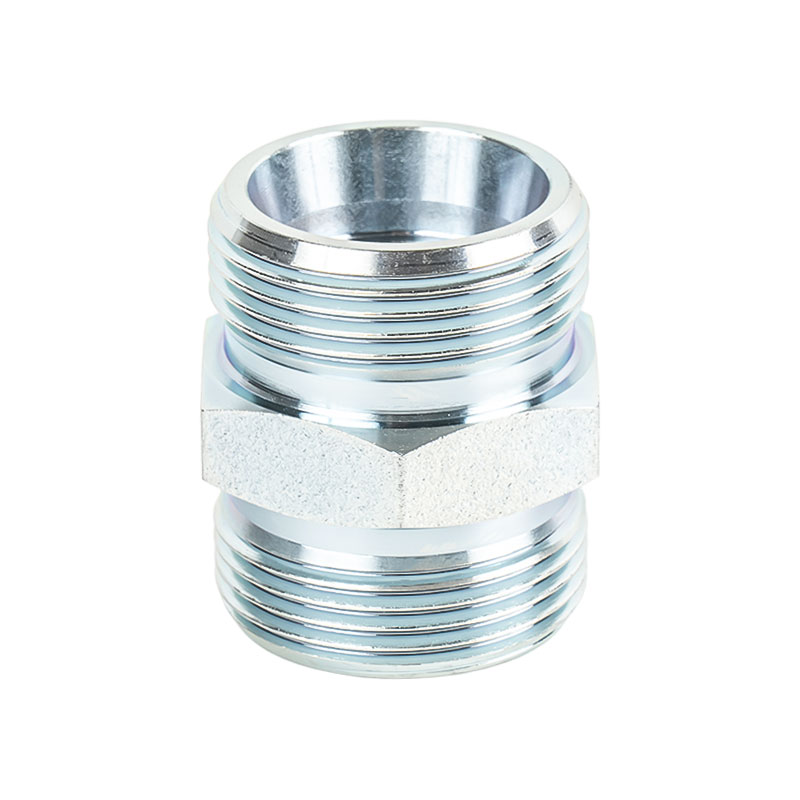
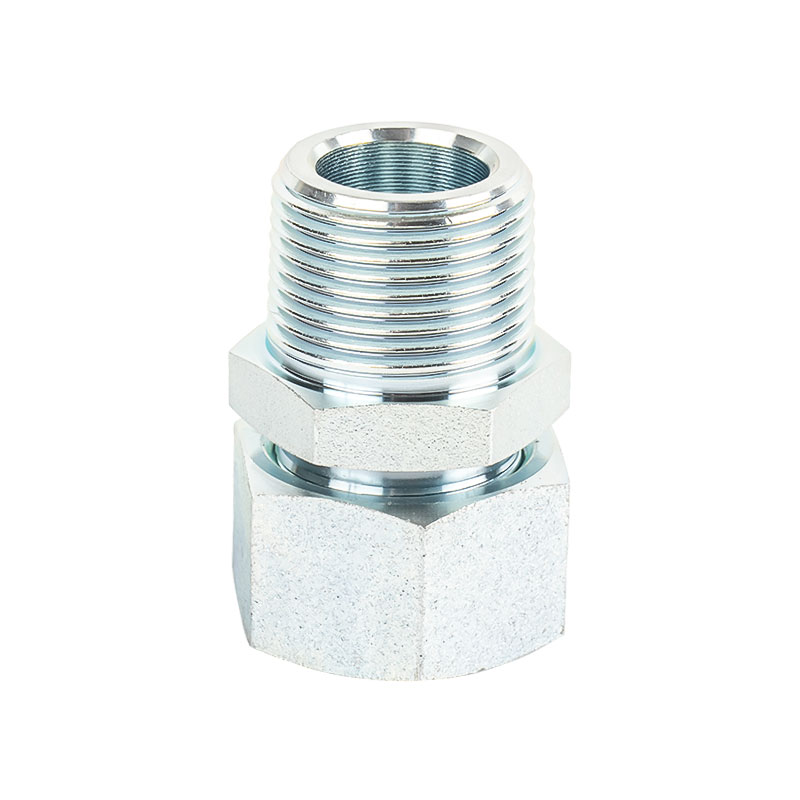
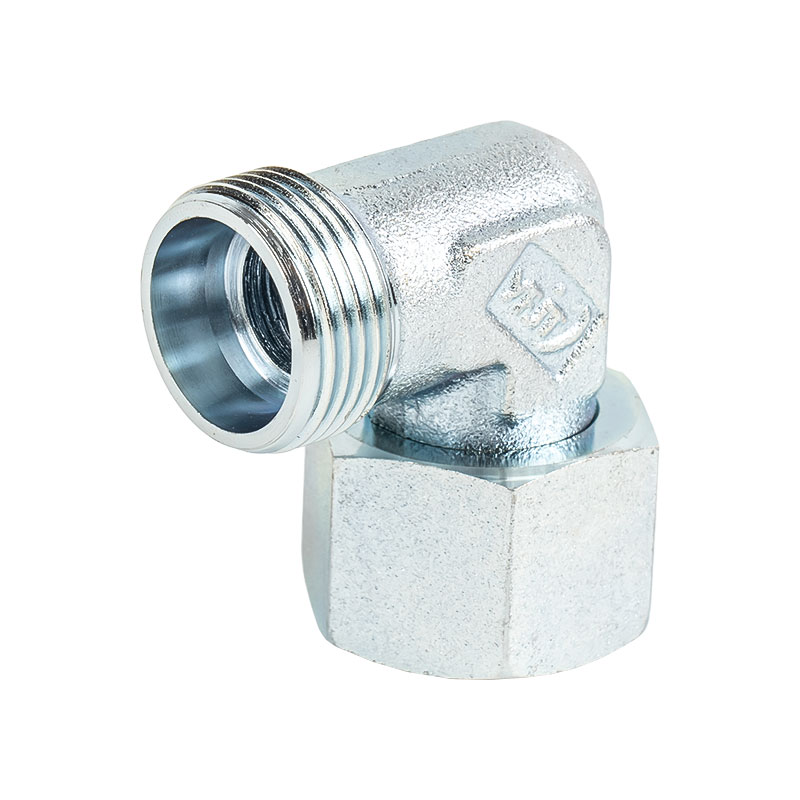
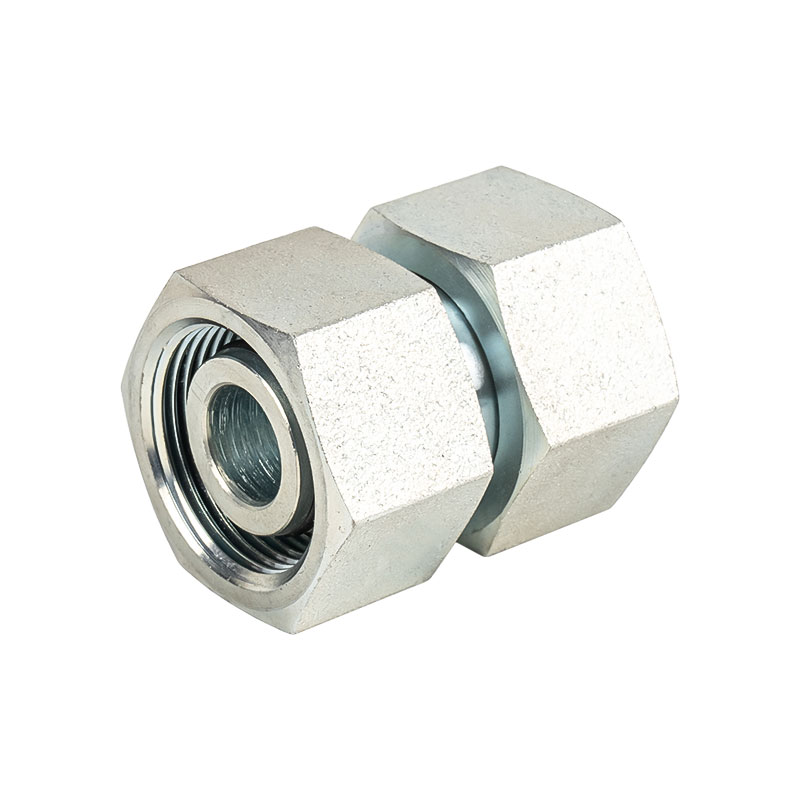
To improve the corrosion resistance of hydraulic hose fittings, manufacturers often apply various coatings and surface treatments. Zinc plating is a common treatment for steel fittings, providing a barrier that helps prevent rust and corrosion. However, zinc plating is not permanent and can wear off over time, especially in harsh environments.
Other coatings, such as electroless nickel plating, can provide more durable protection against corrosion. This plating is applied uniformly over the surface of the fitting and forms a hard, corrosion-resistant layer. Additionally, some hydraulic fittings are treated with coatings like Teflon or epoxy, which offer increased resistance to corrosion and chemical exposure. These treatments can significantly extend the lifespan of hydraulic hose fittings by protecting them from the damaging effects of moisture, chemicals, and other corrosive agents.
Wear Resistance in Hydraulic Hose Fittings
Wear resistance refers to the ability of a material to resist abrasion and degradation caused by friction or mechanical contact. Hydraulic hose fittings are subject to wear over time as they come into contact with moving parts, high-pressure fluids, and other components within the hydraulic system. The wear resistance of a fitting is particularly important in high-stress environments where the fittings are frequently subjected to pressure cycles, vibrations, and mechanical forces.
Factors Influencing Wear Resistance in Hydraulic Hose Fittings
Several factors contribute to the wear resistance of hydraulic hose fittings. These include the material properties, the design of the fitting, and the operational conditions under which the fitting is used. Harder materials, such as stainless steel and specialized alloys, tend to have better wear resistance than softer materials like brass. However, the design of the fitting also plays a role, as poorly designed fittings with sharp edges or rough surfaces may experience more friction and wear over time.
The operational conditions in the hydraulic system are also a significant factor in determining wear resistance. For instance, hydraulic systems that operate at high pressures and frequent cycle rates place more stress on the fittings, leading to accelerated wear. Similarly, if the hydraulic fluid contains abrasive particles or contaminants, it can cause additional wear on the fittings over time. Therefore, it is important to regularly inspect the system for any debris or contaminants that may cause abrasion and wear on the fittings.
Material Selection for Wear Resistance in Hydraulic Hose Fittings
As with corrosion resistance, the material selected for hydraulic hose fittings plays a critical role in their wear resistance. Stainless steel and other hardened alloys are commonly used for their superior hardness and ability to withstand mechanical wear. These materials have excellent resistance to both abrasion and corrosion, making them ideal for high-performance hydraulic systems.
In some cases, hydraulic hose fittings may be made from composite materials or coatings that enhance wear resistance. For example, some fittings are coated with hard-wearing materials such as carbide or ceramic to improve their resistance to abrasion. These coatings are particularly useful in extreme conditions where the fittings are subjected to high levels of friction or wear from abrasive fluids or particles.
Regular Maintenance and Inspection to Ensure Long-Term Performance
Even with corrosion-resistant and wear-resistant materials, hydraulic hose fittings require regular maintenance and inspection to ensure their long-term performance. Over time, exposure to extreme conditions, such as high pressures, temperatures, and abrasive particles, can cause the fittings to degrade. Regular inspections allow for early detection of wear, corrosion, or other issues that may compromise the fitting's performance. Common inspection methods include visual checks for signs of rust, wear, or cracks, as well as pressure testing to ensure the integrity of the fittings under load.
Additionally, it is important to maintain the hydraulic system by using high-quality fluids and ensuring that the system is free of contaminants that can cause excessive wear. Replacing worn or corroded fittings before they fail can help prevent system downtime and costly repairs. In many cases, replacing the fittings is more cost-effective than attempting to repair or restore them.