 English
 Español
 中文简体
中文简体Introduction to Bite Type Tube Fittings
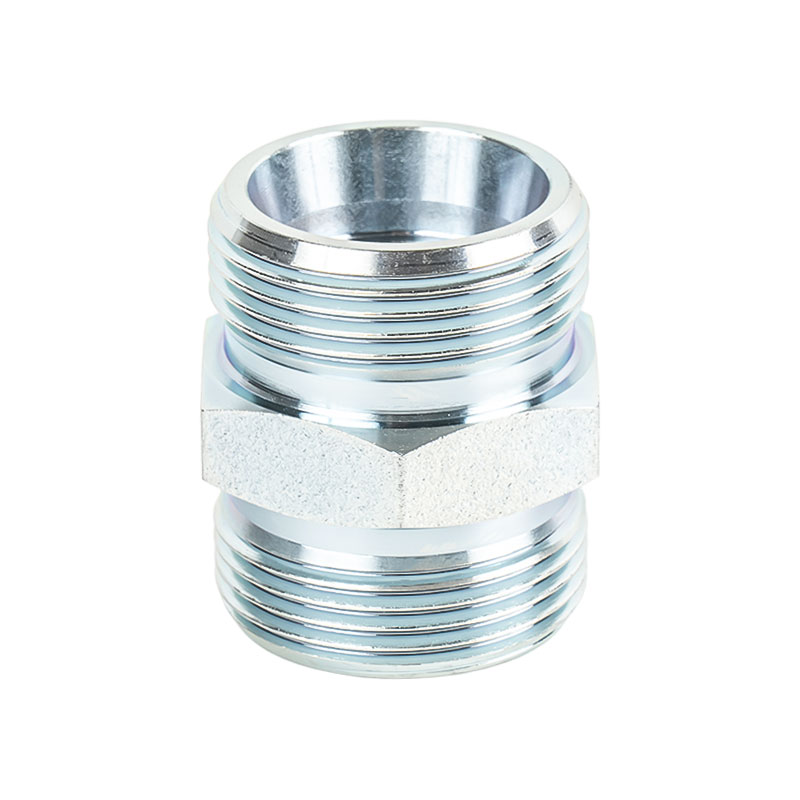
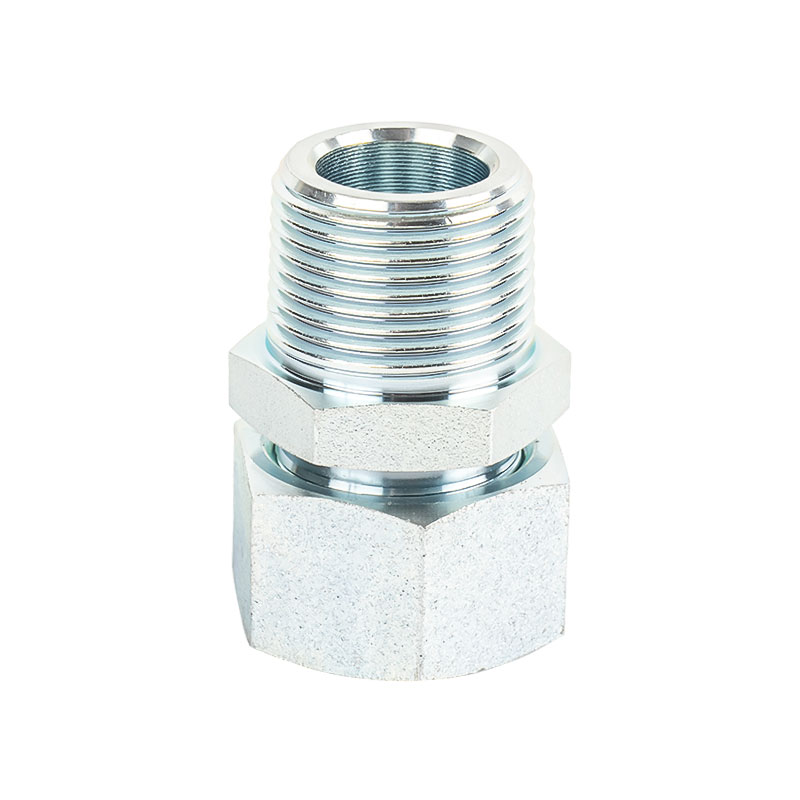
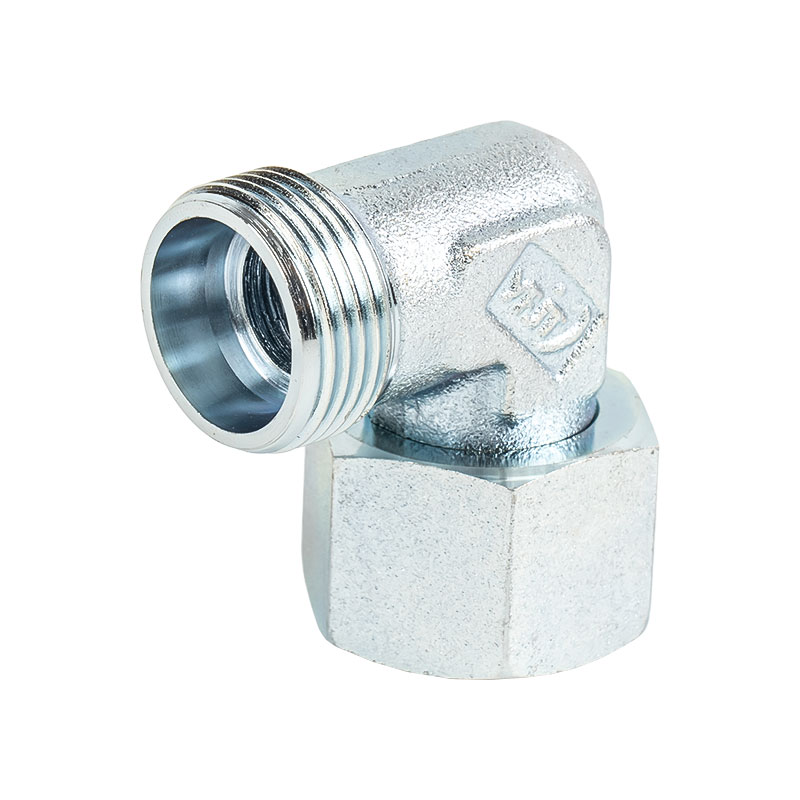
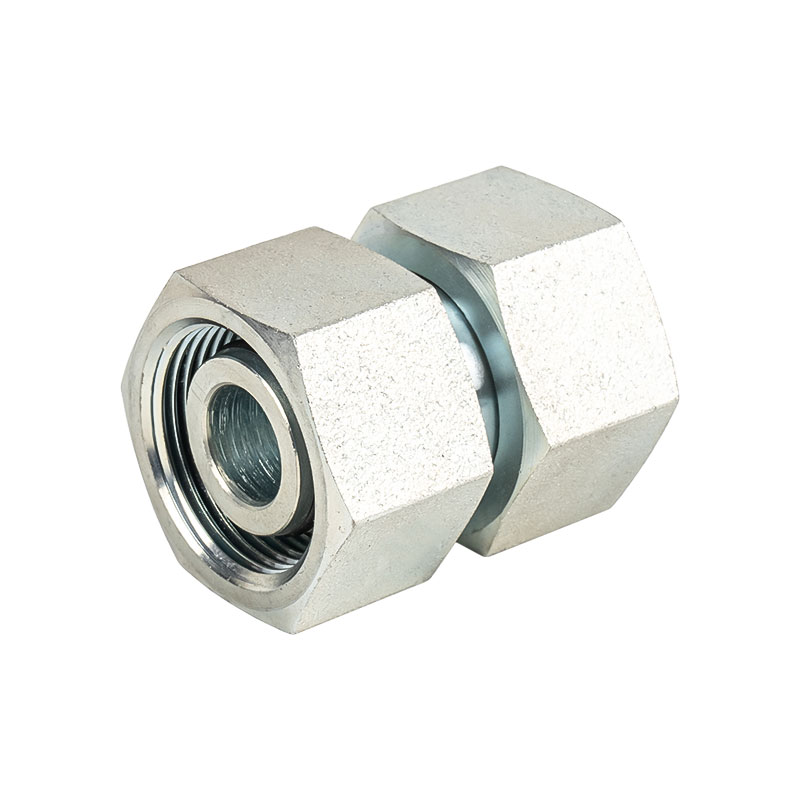
Bite type tube fittings are widely used in fluid and gas transfer systems for their ability to provide secure and reliable connections without the need for soldering. These fittings utilize a mechanical clamping mechanism, which “bites” into the tube to create a tight seal. This design simplifies the installation process, allowing for faster assembly compared to traditional methods that require welding or soldering. The use of bite type tube fittings is common in industries such as plumbing, HVAC, refrigeration, and industrial fluid systems, where efficiency and reliability are important considerations.
Quick Installation Features
The primary advantage of bite type tube fittings is their capability for quick installation. Unlike conventional fittings that require heating and soldering, these fittings can be assembled by simply inserting the tube and tightening the nut. The design ensures that the tube is securely gripped, forming a leak-resistant connection. This feature is particularly beneficial in projects where time is a critical factor, as it reduces labor costs and installation complexity. The intuitive assembly process also reduces the likelihood of errors during installation, making bite type tube fittings suitable for both professional and less experienced technicians.
Mechanism of Sealing and Grip
Bite type tube fittings employ a ferrule or ring that deforms slightly around the tube as the nut is tightened. This deformation creates a mechanical bite into the tube surface, generating both a secure grip and a reliable seal. The tight engagement ensures that the fitting can withstand pressure fluctuations, vibrations, and thermal expansion without loosening or leaking. The sealing mechanism is effective for a wide range of materials, including copper, stainless steel, and plastic tubing, providing versatility in different applications. This inherent reliability contributes to the growing preference for bite type tube fittings in modern piping systems.
No Soldering Requirement
One of the key characteristics of bite type tube fittings is that they do not require soldering, brazing, or welding. Eliminating the need for heat-based assembly methods not only reduces installation time but also minimizes safety risks associated with open flames or high-temperature equipment. Additionally, no-soldering assembly allows for installations in confined spaces where access may be limited. This feature makes bite type tube fittings particularly suitable for retrofitting existing systems or for installations in areas where traditional soldering is impractical.
Durability and Reusability
Bite type tube fittings are designed to provide durable and reusable connections. Once installed, the ferrule maintains its grip over time, accommodating minor vibrations and thermal cycling. Some designs allow the fittings to be disassembled and reassembled without significant loss of performance, which is useful for maintenance or system modifications. Proper installation and selection of compatible tube materials are essential to ensure long-term reliability. The combination of quick installation, no-soldering requirements, and durability contributes to the efficiency and cost-effectiveness of using bite type tube fittings in various systems.
| Feature | Benefit | Application Consideration |
|---|---|---|
| Quick Installation | Reduces labor time and complexity | Suitable for time-sensitive projects |
| No Soldering Required | Eliminates need for heat, reduces risk | Ideal for confined spaces and retrofits |
| Secure Grip | Provides leak-resistant connection | Effective under pressure and vibration |
| Reusability | Allows disassembly and maintenance | Reduces overall system costs |
| Compatibility | Works with multiple tube materials | Copper, stainless steel, plastic tubing |
Applications in Industrial Systems
Bite type tube fittings are extensively used in industrial and commercial systems. In refrigeration, these fittings connect copper tubing for refrigerant flow, ensuring leak-proof operation without the need for brazing. In hydraulic and pneumatic systems, bite type fittings facilitate rapid assembly and maintenance, which is critical in minimizing downtime. Plumbing applications also benefit from these fittings, as they provide strong, corrosion-resistant connections suitable for hot and cold water supply lines. The versatility and efficiency of bite type tube fittings make them a preferred choice in diverse operational environments.
Comparison with Traditional Fittings
Compared to traditional soldered or welded fittings, bite type tube fittings offer several practical advantages. Traditional methods require specialized skills, heat sources, and additional time for assembly and cooling. Bite type fittings, in contrast, enable installation with minimal tools and training, reducing both labor costs and the risk of errors. While traditional fittings may offer slightly higher resistance to extreme pressures in some cases, the convenience and efficiency of bite type tube fittings often outweigh this limitation, especially in systems that require frequent modifications or maintenance.
Maintenance and Reliability
The reliability of bite type tube fittings is closely tied to correct installation procedures and routine inspection. Ensuring that the ferrule properly engages the tube surface and that the nut is sufficiently tightened is crucial. Over-tightening or under-tightening can compromise the seal and grip. Periodic checks during system maintenance help detect any loosening or wear, allowing adjustments before leaks occur. The ease of disassembly and reassembly further enhances maintenance efficiency, making bite type tube fittings practical for systems where accessibility and long-term reliability are important considerations.
Material Considerations
The choice of material for bite type tube fittings affects both installation and long-term performance. Brass, stainless steel, and plastic options are available, each offering specific benefits. Brass fittings provide corrosion resistance and moderate strength, suitable for plumbing and low-pressure applications. Stainless steel fittings are preferred for high-pressure or corrosive environments due to their superior strength and durability. Plastic bite type fittings offer lightweight, chemical-resistant alternatives for certain fluid systems. Material selection should match operational conditions to ensure secure, long-lasting connections without soldering.
| Material | Advantages | Common Applications |
|---|---|---|
| Brass | Corrosion resistant, easy to assemble | Plumbing, HVAC |
| Stainless Steel | High strength, durable under pressure | Industrial, chemical systems |
| Plastic | Lightweight, chemical resistant | Fluid handling, low-pressure applications |
Installation Efficiency
Bite type tube fittings are engineered to support quick installation without soldering, offering secure, reliable, and reusable connections across multiple industries. Their design allows for simplified assembly, reduced labor requirements, and enhanced safety during installation. The mechanical gripping mechanism ensures that connections maintain integrity under various operational conditions, while compatibility with diverse materials increases their versatility. By combining ease of installation, maintenance efficiency, and long-term reliability, bite type tube fittings provide an effective solution for modern fluid and gas systems.