 English
 Español
 中文简体
中文简体Introduction to Hydraulic Adapter Fittings
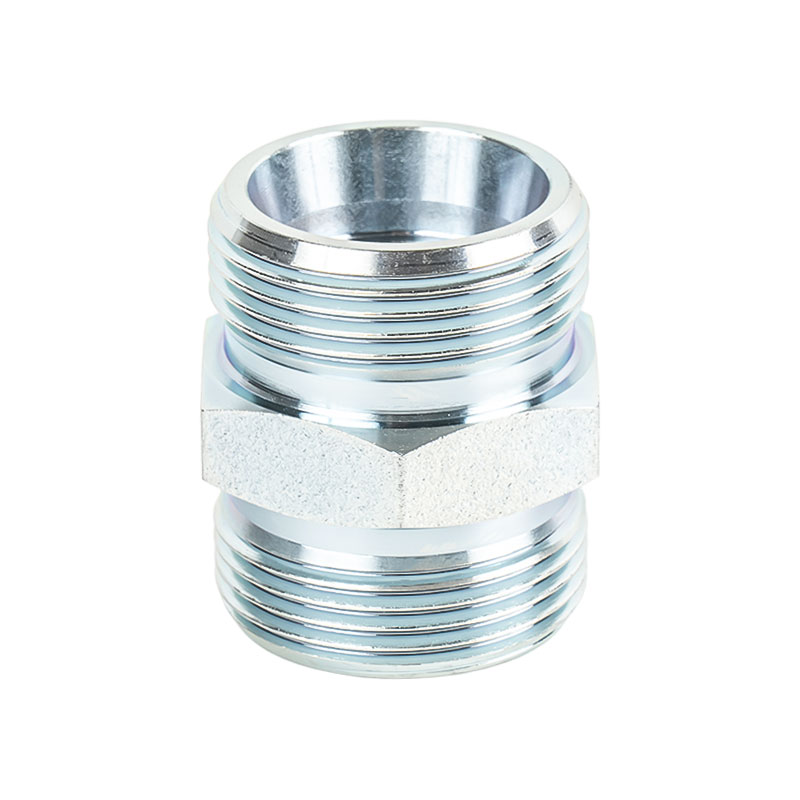
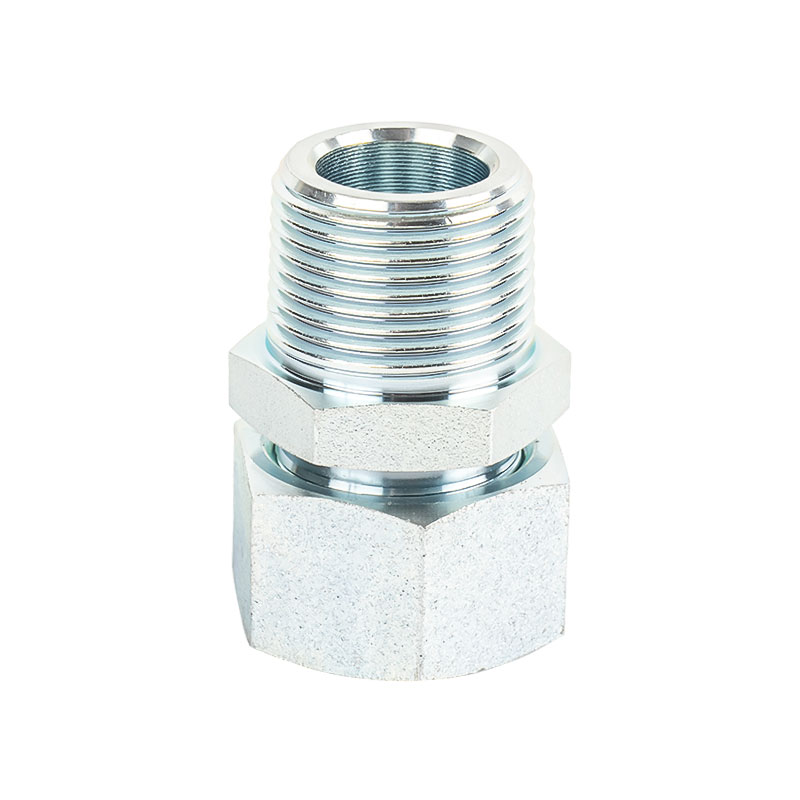
Hydraulic adapter fittings are essential components in hydraulic systems, providing a means to connect hoses, pipes, and equipment together. They allow different parts of the hydraulic system to function seamlessly, even when they have different sizes or threading. Choosing the right hydraulic adapter fitting for a specific application is crucial to ensuring system efficiency, safety, and durability.
Understanding the Function of Hydraulic Adapter Fittings
Hydraulic adapter fittings are designed to allow fluid to flow through a hydraulic system without leakage. They are used to connect pipes, hoses, or other components with differing sizes, thread types, or materials. These fittings ensure that pressure is properly maintained within the system while preventing leakage or contamination. They are available in various shapes, materials, and sizes, and their selection depends on factors such as the application’s pressure rating, temperature range, fluid type, and the nature of the connection required. The primary function of hydraulic adapters is to establish a secure connection between components, which is vital for the system's efficiency and safety.
Factors to Consider When Selecting Hydraulic Adapter Fittings
Choosing the right hydraulic adapter fitting requires an understanding of several key factors. Below are some of the main considerations that should be taken into account when making this selection:
1. Pressure and Temperature Ratings
The first and most important factor to consider when selecting a hydraulic adapter fitting is the system's pressure and temperature conditions. Hydraulic systems operate under high pressure, and the fitting must be capable of withstanding these pressures without failing. It is essential to choose an adapter fitting that meets or exceeds the pressure requirements of the system. Similarly, the temperature range of the fluid being transported is a critical factor. If the application involves high temperatures, materials that can resist thermal degradation must be selected. Therefore, knowing the maximum operating pressure and temperature of the hydraulic system is fundamental in choosing the right fitting.
2. Thread Type and Size
Thread type and size are crucial factors in selecting hydraulic adapter fittings. Different hydraulic systems use different threading standards, including NPT (National Pipe Thread), BSP (British Standard Pipe), JIC (Joint Industry Council), and SAE (Society of Automotive Engineers) threads. Each of these thread types has a specific pitch, diameter, and angle, making it essential to match the adapter fitting’s threading to the corresponding threads on the components it connects. Additionally, the size of the fitting must align with the hose, pipe, or equipment it is intended to connect. Ensuring compatibility in terms of size and thread type helps maintain the integrity of the hydraulic system and prevents leaks or failures.
3. Material Compatibility
The material of the hydraulic adapter fitting must be compatible with the materials of the connected components as well as the fluid being used in the system. Common materials used for hydraulic fittings include stainless steel, brass, carbon steel, and aluminum. Stainless steel is commonly used for high-pressure systems and those that require resistance to corrosion, while brass is often selected for low-pressure applications and environments where ease of installation is essential. Carbon steel is known for its durability and resistance to wear, making it ideal for general-purpose applications. Aluminum is lightweight and corrosion-resistant, suitable for lighter-duty applications. The material selection should be made based on factors like corrosion resistance, strength, and environmental conditions.
4. Fluid Type
Another important consideration when selecting a hydraulic adapter fitting is the type of fluid that will be used in the hydraulic system. Different fluids, such as oil, water, or gas, can have varying chemical properties that may affect the performance of the fitting. For example, oil-based fluids require fittings made of materials resistant to corrosion and wear, while water-based fluids may require fittings that can withstand rust. If the system uses a specific fluid with certain chemical additives, it is essential to choose a fitting material that is compatible with those additives. Ensuring that the fitting is resistant to the specific type of fluid helps to maintain the integrity of the hydraulic system and prevent leaks or failures.
5. Connection Style
Hydraulic adapter fittings come in a variety of connection styles, including threaded, flanged, and quick connect styles. The choice of connection style depends on the specific needs of the application. Threaded connections are commonly used for permanent or semi-permanent installations where secure, leak-proof seals are required. Flanged connections, on the other hand, are used when larger diameter pipes need to be connected and are typically found in high-pressure applications. Quick connect fittings provide easy and rapid connections and disconnections, making them ideal for systems where maintenance or temporary connections are needed. The connection style should be chosen based on the application’s operational needs and the level of flexibility required.
6. Vibration and Movement Considerations
Hydraulic systems that operate in environments with significant vibration or movement require adapter fittings that can maintain a secure connection despite these conditions. In such applications, it is essential to select fittings designed to withstand high levels of mechanical stress. Fittings with features such as locking mechanisms, high-strength materials, or vibration-resistant designs can help ensure that the connections remain secure even under extreme operating conditions. In addition, using flexible hoses or fittings with compensating capabilities can help absorb vibrations and reduce the risk of damage to the hydraulic components.
7. Environmental Conditions
Environmental conditions play a critical role in selecting the right hydraulic adapter fitting. Factors such as temperature extremes, exposure to corrosive substances, and UV radiation can impact the performance of hydraulic systems and their components. In applications where the fitting will be exposed to harsh weather conditions, such as outdoor environments or marine applications, corrosion-resistant materials like stainless steel or specially coated fittings may be necessary. Additionally, ensuring the fitting can withstand exposure to UV light or extreme cold temperatures is essential for maintaining the system's performance over time. Environmental considerations should be factored into the material selection process to ensure long-lasting and reliable performance.
8. Cost and Availability
Finally, cost and availability are always important factors when selecting hydraulic adapter fittings. While it is crucial to prioritize quality and performance, it is also essential to consider the cost-effectiveness of the fitting. In some applications, more expensive, high-quality fittings may be necessary to ensure optimal performance, while in others, a more cost-effective option may suffice. Availability of the fittings is also a key factor, as delays in sourcing the right components can result in costly downtime. It is advisable to work with reliable suppliers who can provide the necessary fittings on time, ensuring smooth operation of the hydraulic system.
Common Types of Hydraulic Adapter Fittings
There are various types of hydraulic adapter fittings available, each designed for specific applications and system requirements. Some common types include:
| Type | Use |
|---|---|
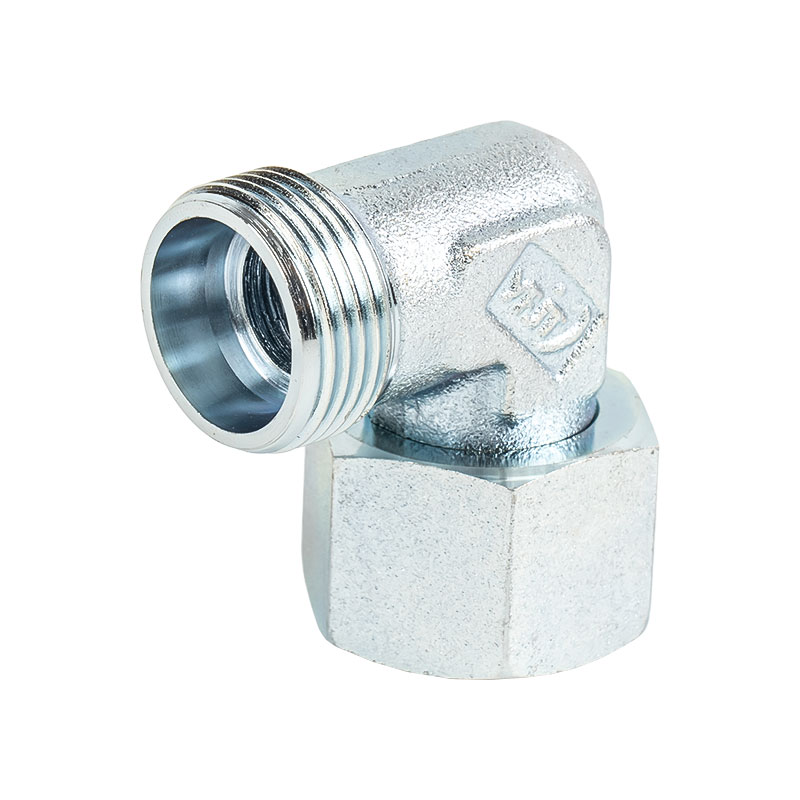
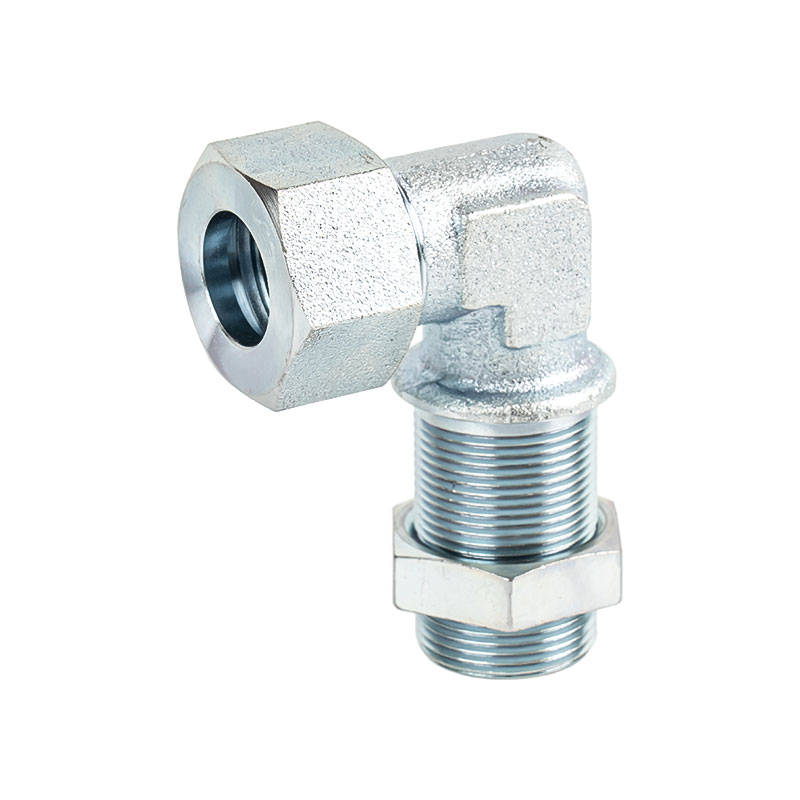
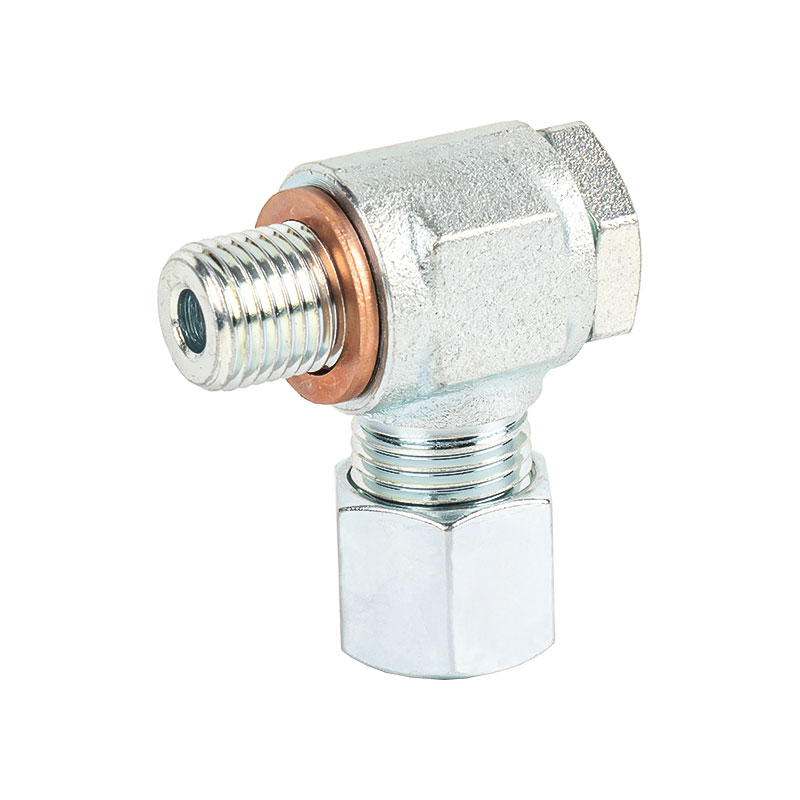
| Elbow Fittings | Used to change the direction of flow in a hydraulic system. |
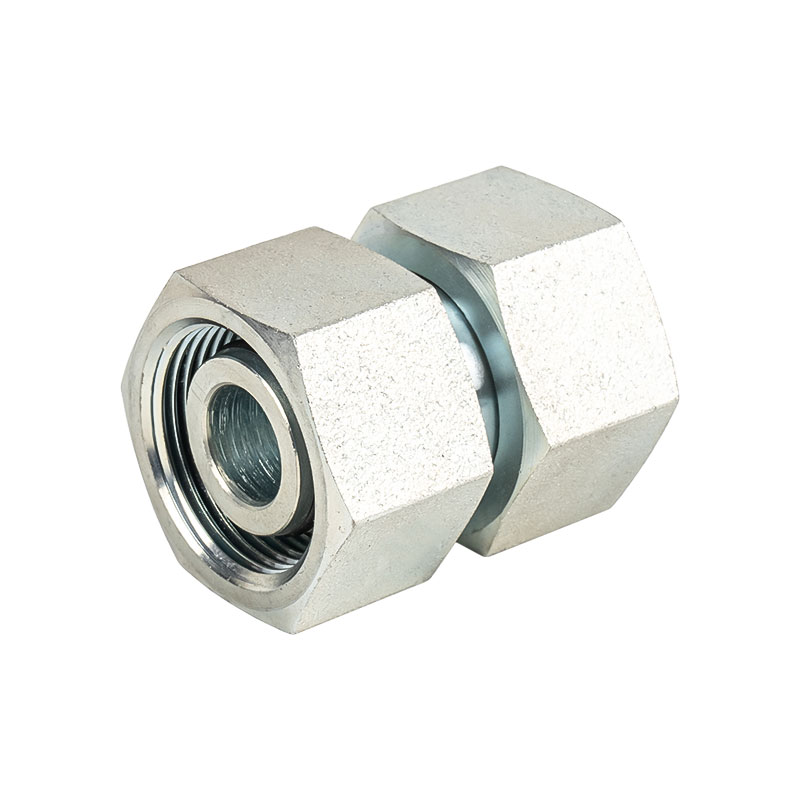
| Union Fittings | Used to connect two pipes or hoses of the same size. |
| Couplings | Used to join two parts temporarily or for quick disconnections. |
| Swivel Fittings | Allow rotation to adjust the direction of a hose or pipe without twisting the line. |
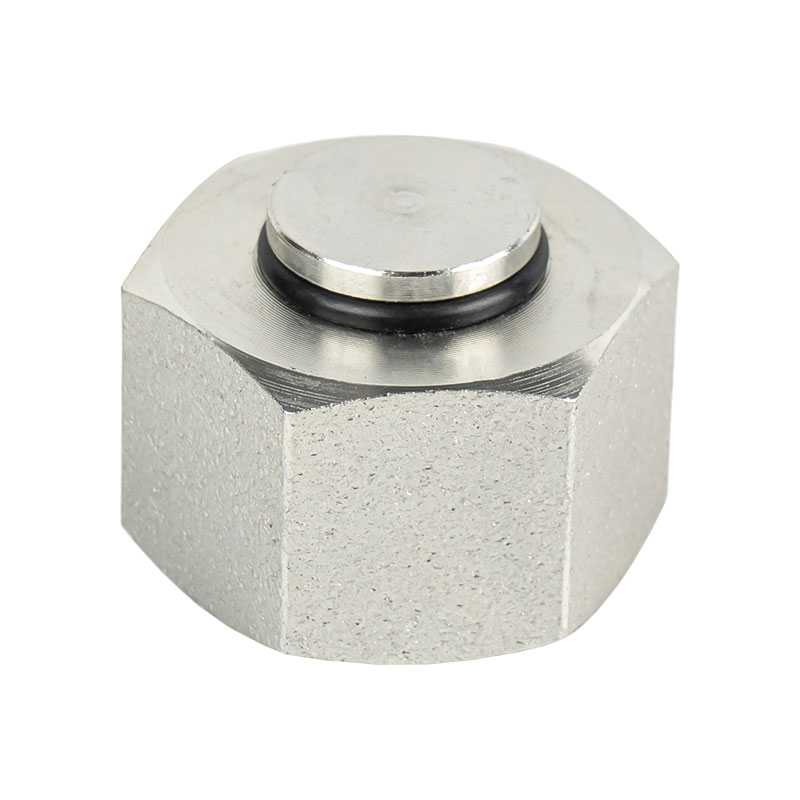
| Cap and Plug Fittings | Used to seal open ends of pipes or hoses when they are not in use. |