 English
 Español
 中文简体
中文简体Overview of Adapter Fittings and Their Applications
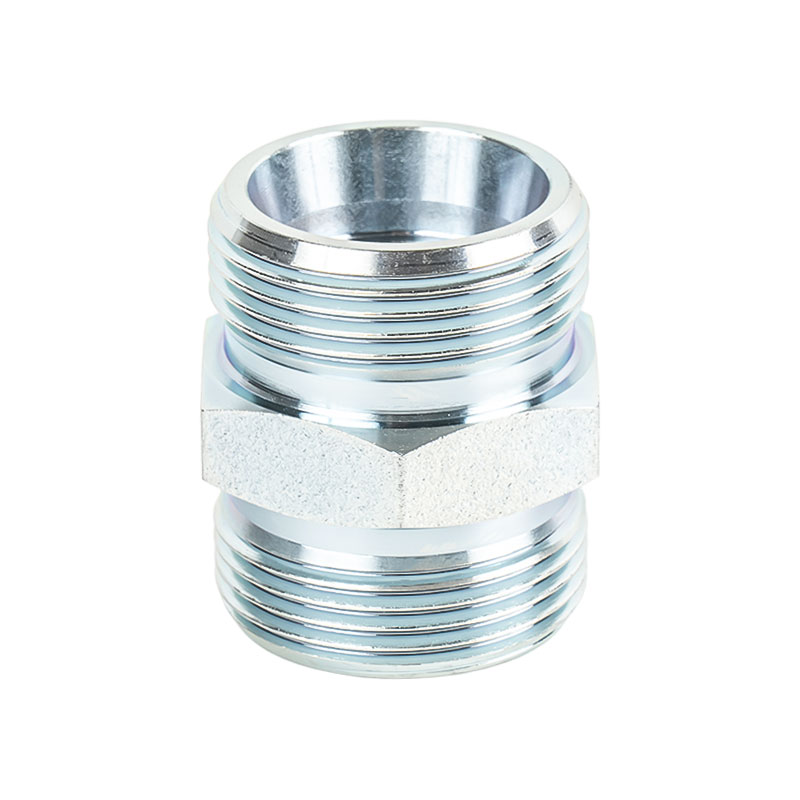
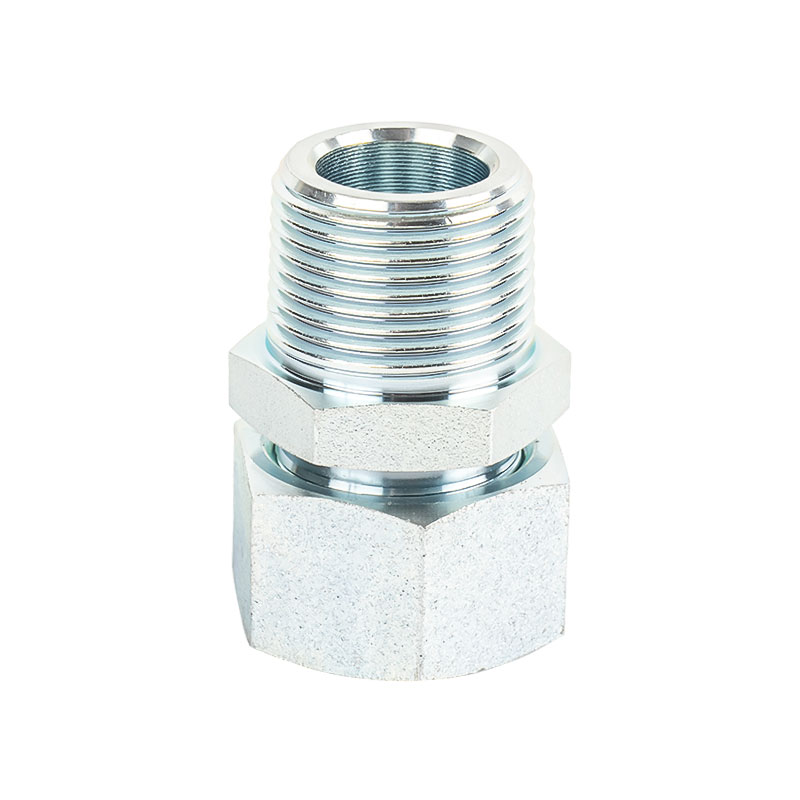
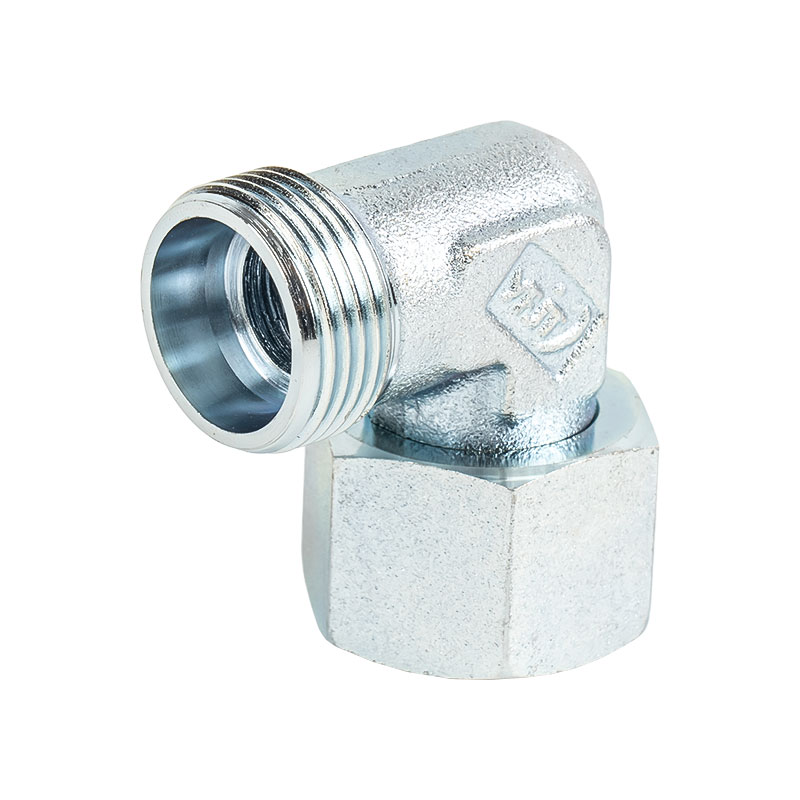
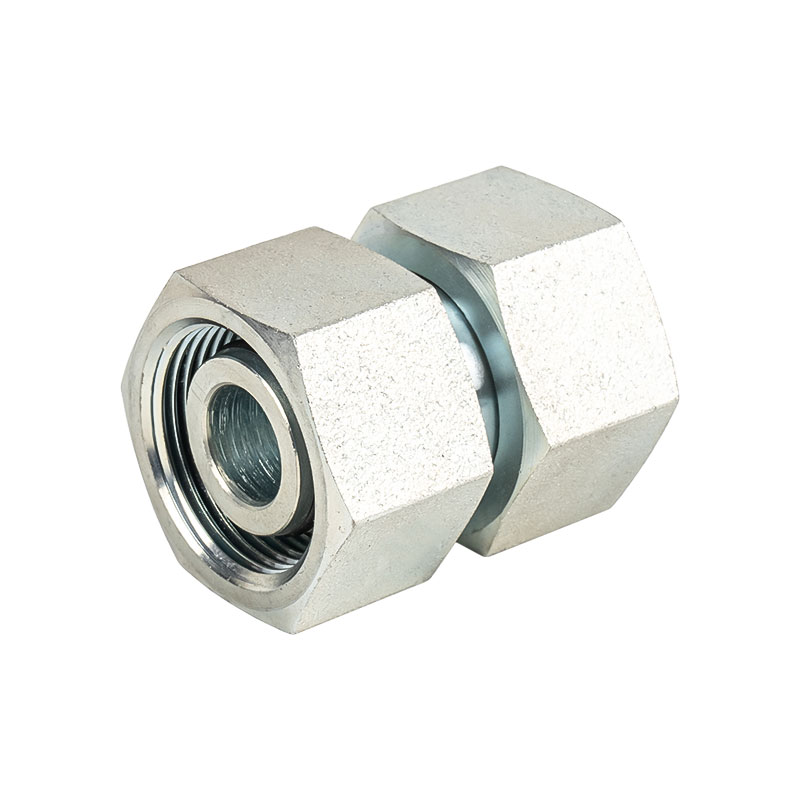
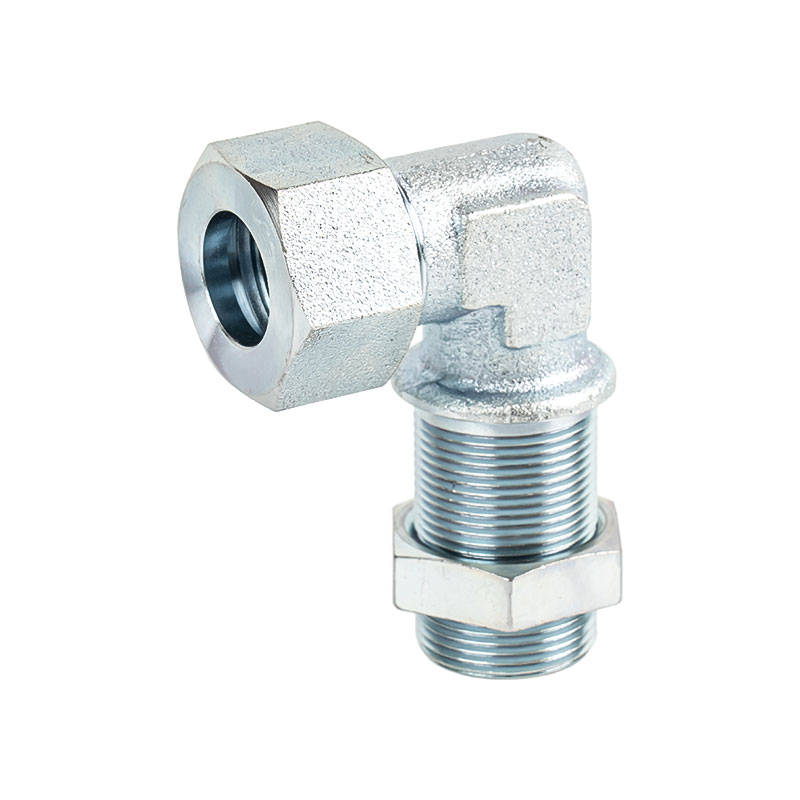
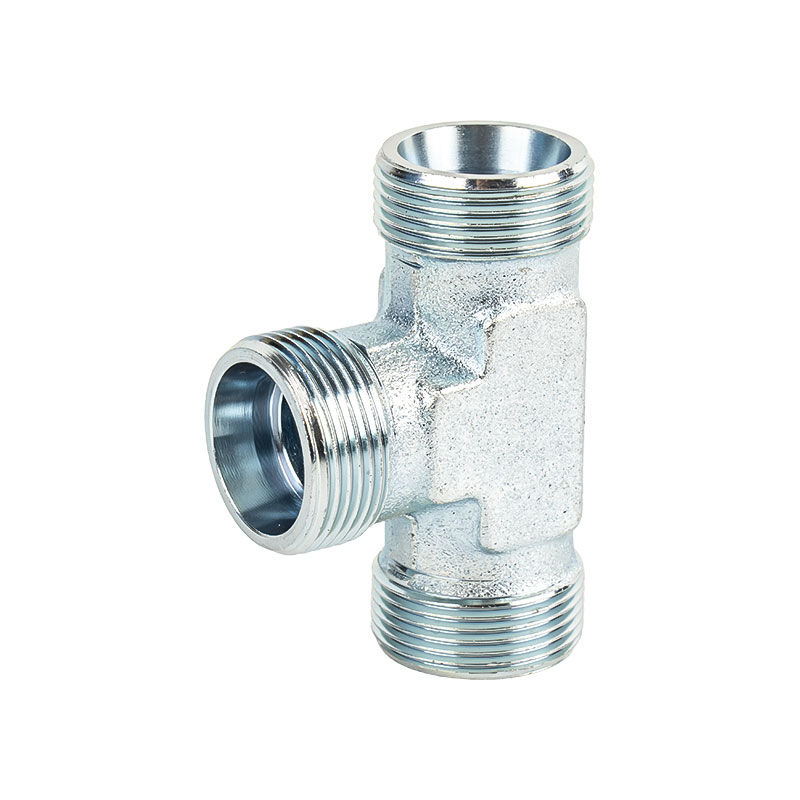
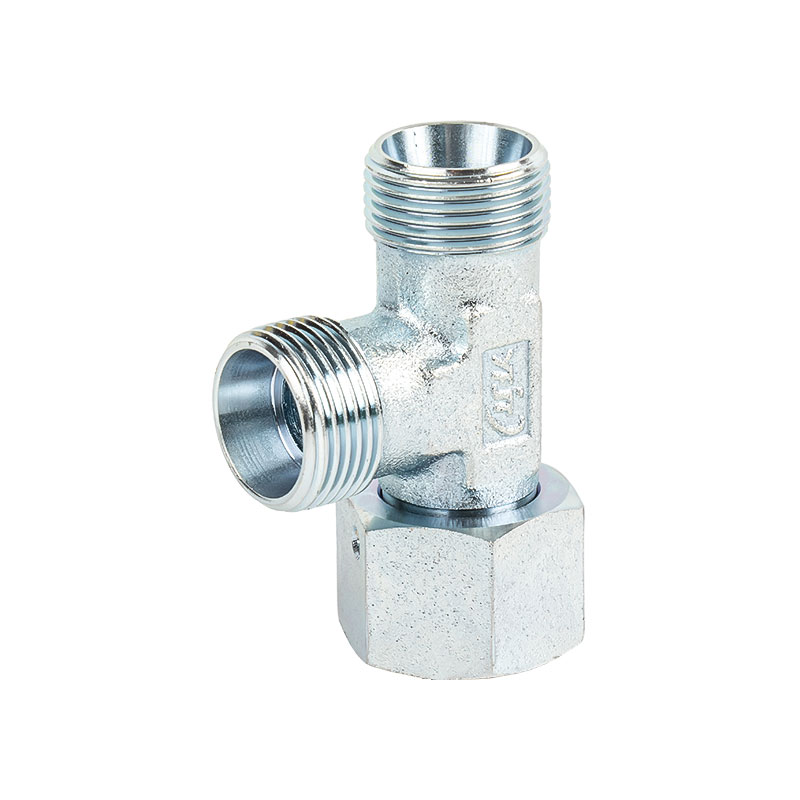
Adapter fittings are widely used in piping systems to connect pipes of different sizes or types, enabling smooth flow of fluids or gases. These fittings are essential in residential, commercial, and industrial applications where reliable connections are required. In addition to their primary function of joining pipes, adapter fittings must withstand various operating conditions, including pressure fluctuations, temperature variations, and exposure to different fluids, without leaking. Ensuring the integrity of these fittings under such conditions is critical for system safety and efficiency.
Understanding Pressure Fluctuations in Piping Systems
Pressure fluctuations occur in piping systems due to changes in flow demand, pump operation, or sudden valve closures. These variations can cause transient spikes or drops in pressure, known as pressure surges or water hammer effects. Such fluctuations can stress fittings and joints, leading to potential leakage if the components are not properly designed or installed. Understanding the magnitude and frequency of pressure variations is essential for selecting adapter fittings that can maintain reliable performance over time.
Design Features That Enhance Resistance to Leakage
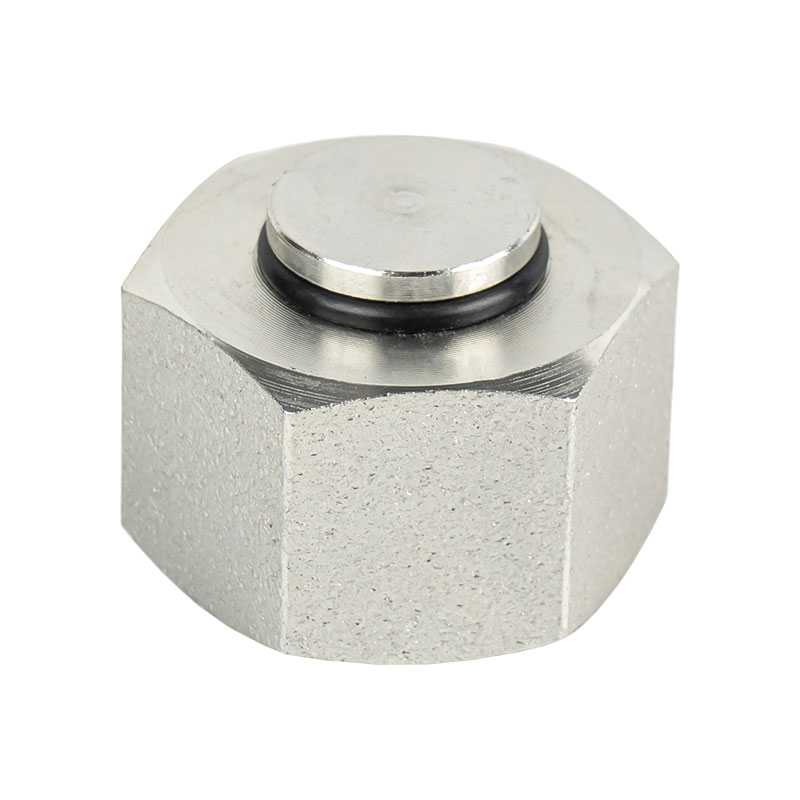
Adapter fittings are engineered with several design features to resist leakage under pressure fluctuations. Precision threading, gasket seals, O-rings, and compression mechanisms help maintain tight connections even when the system experiences sudden changes in pressure. The materials used in manufacturing, such as brass, stainless steel, or high-performance polymers, also influence the fitting's ability to withstand stress without deformation. Well-designed fittings distribute pressure evenly, reducing localized stress that could lead to leaks.
Material Selection and Its Role in Performance
The choice of material for adapter fittings affects their ability to resist pressure fluctuations. Metals such as stainless steel or brass provide high mechanical strength and resistance to deformation, while polymers and engineered plastics offer flexibility and chemical resistance. The material must match the type of fluid being transported, the operating temperature, and the expected pressure range. Proper material selection ensures that fittings do not crack, warp, or degrade over time, maintaining a secure seal under varying conditions.
Impact of Installation on Leak Prevention
Even the best-designed adapter fittings can fail if improperly installed. Correct torque, alignment, and thread engagement are critical to ensure that the sealing elements function effectively. Using thread sealant or tape where appropriate can enhance the fitting's ability to resist leakage during pressure fluctuations. Regular inspection and maintenance of connections also contribute to long-term reliability, helping identify early signs of wear or loosening that could compromise the seal.
Testing and Certification Standards
Adapter fittings undergo rigorous testing to verify their performance under pressure. Standards from organizations such as ASTM, ISO, or ANSI provide guidelines for pressure testing, material quality, and dimensional accuracy. Testing includes exposure to high and low pressures, cycling to simulate fluctuating conditions, and assessment for leaks or deformation. Certified fittings offer confidence that they will perform reliably in real-world applications, even under dynamic pressure conditions.
Factors Affecting Leak Resistance Under Pressure Fluctuations
Several factors influence whether adapter fittings can withstand pressure fluctuations without leaking. The operating pressure range and peak pressures encountered in the system, temperature variations, and fluid characteristics all impact performance. Additionally, vibration or mechanical movement of connected pipes can affect seal integrity. Understanding these factors allows engineers and technicians to select appropriate fittings, ensuring they maintain tight seals under all anticipated operating conditions.
Comparison of Different Adapter Fitting Types
Various types of adapter fittings, including threaded, compression, push-to-connect, and flanged designs, offer differing levels of resistance to leakage under pressure changes. Threaded adapters rely on precise engagement and sealing tape, while compression fittings use a ferrule to create a tight seal. Push-to-connect fittings offer convenience and flexibility, often incorporating multiple O-rings for reliable sealing. Flanged adapters use gaskets and bolts to secure connections, providing strong resistance to pressure fluctuations in larger systems. Selecting the appropriate type based on system requirements ensures optimal leak resistance.
Maintenance Practices to Ensure Long-Term Performance
Routine maintenance plays a significant role in preserving the leak-resistant properties of adapter fittings. Periodic inspections can detect wear, corrosion, or loosening, which may compromise seals. Re-tightening threaded connections, replacing worn O-rings or gaskets, and cleaning contact surfaces help maintain consistent performance. For systems with frequent pressure cycling, monitoring for early signs of leakage or deformation is critical to prevent failures and maintain system efficiency and safety.
Typical Pressure Ratings for Common Adapter Fittings
The following table provides approximate pressure ratings for commonly used adapter fittings:
| Fitting Material | Threaded Fitting (PSI) | Compression Fitting (PSI) | Push-to-Connect Fitting (PSI) | Flanged Fitting (PSI) |
|---|---|---|---|---|
| Brass | 1,500–3,000 | 1,000–2,500 | 600–1,200 | 2,000–3,500 |
| Stainless Steel | 3,000–6,000 | 2,500–5,000 | 1,000–1,500 | 3,500–7,000 |
| Plastic/Polymer | 150–400 | 200–500 | 150–350 | 300–700 |