 English
 Español
 中文简体
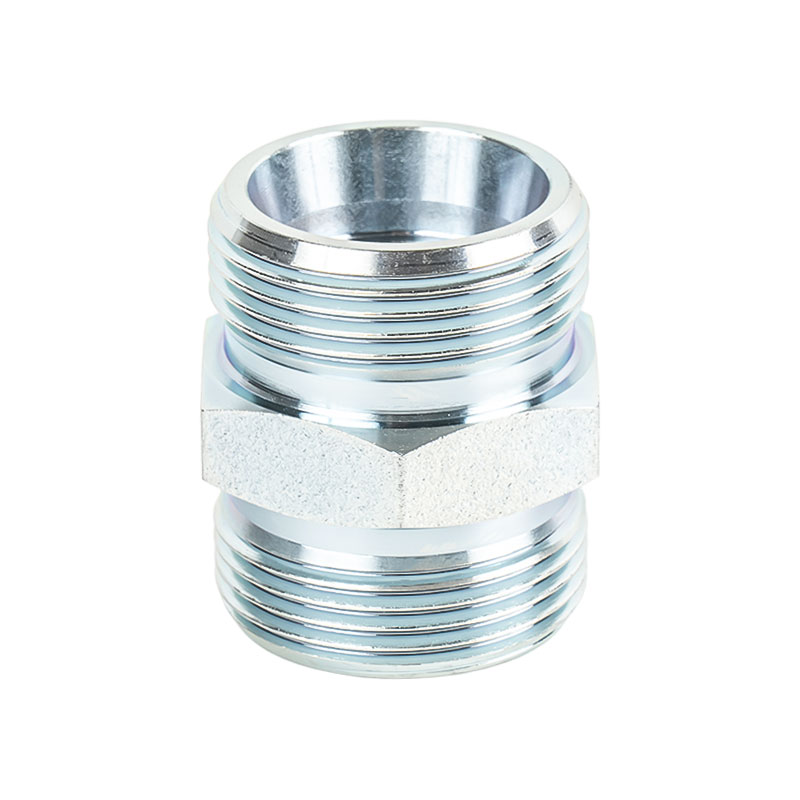
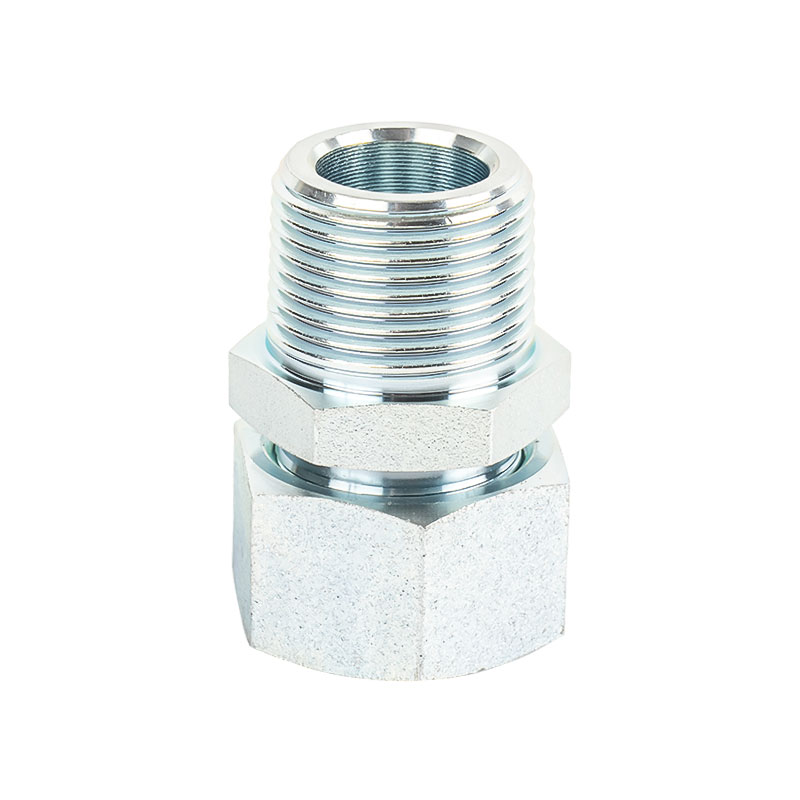
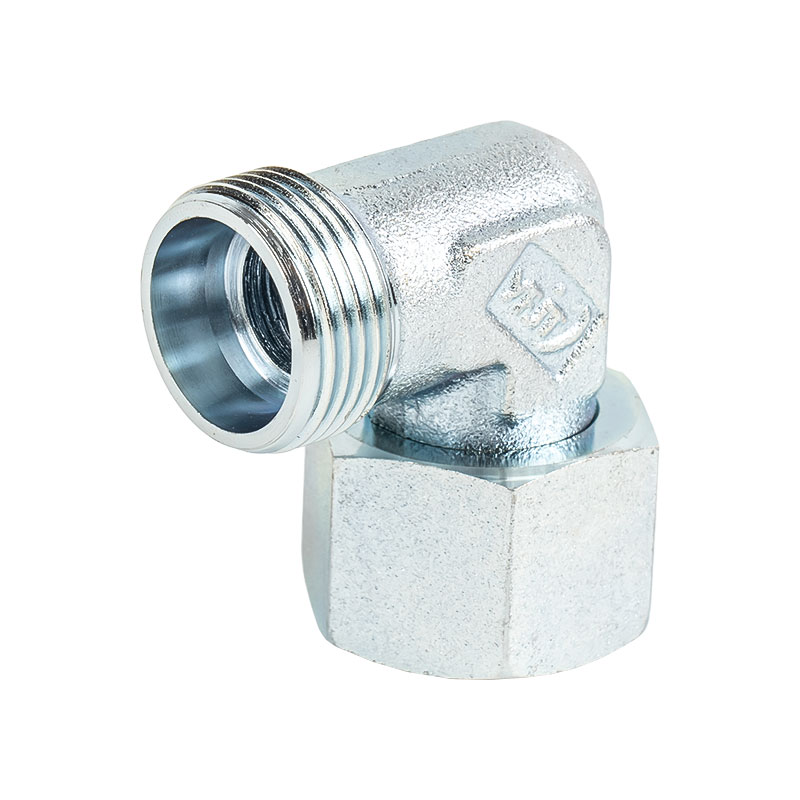
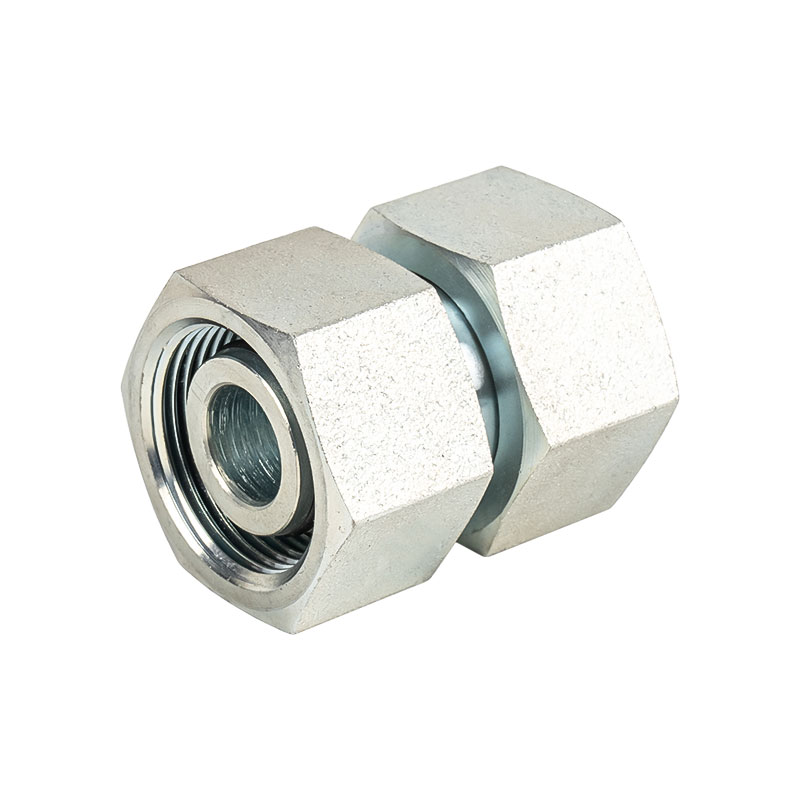
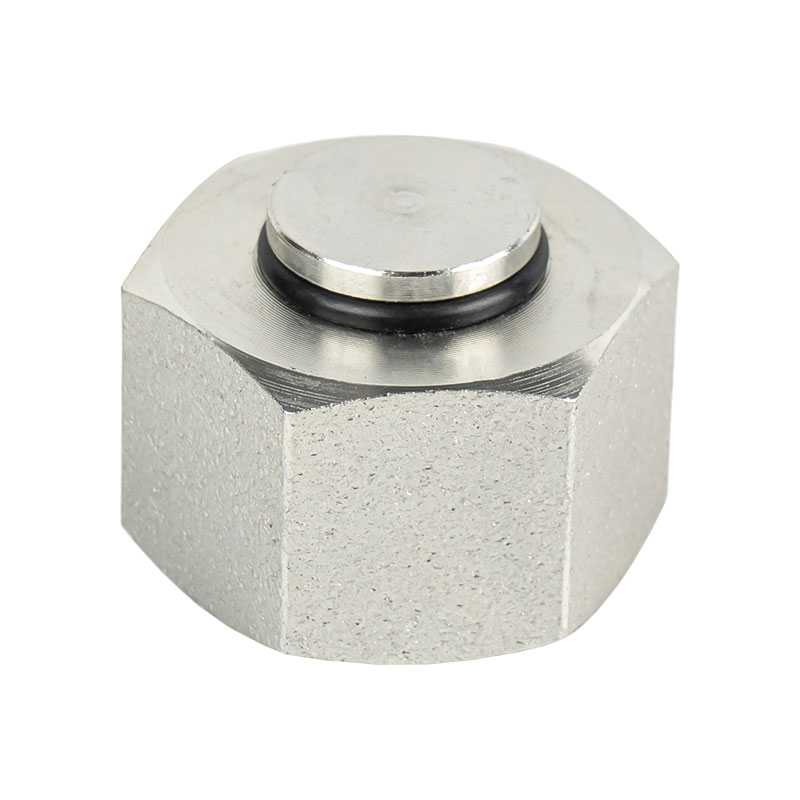
中文简体Hydraulic adapter JIC fittings are essential components in high-pressure hydraulic systems, providing reliable, leak-free connections between hoses, tubes, and machinery. JIC hydraulic fittings use a 37-degree flare design, ensuring a secure metal-to-metal seal under demanding conditions, making them widely used in construction, industrial, and mobile hydraulic applications.
Understanding JIC Fittings
JIC fittings, short for Joint Industry Council fittings, are standardized hydraulic fittings featuring a 37-degree flare seating surface. This design allows for high-pressure sealing and repeated assembly without compromising connection integrity.
Key Features
- Metal-to-metal sealing provides leak resistance under high pressure up to 6000 psi or higher depending on size.
- Compatibility with SAE J514 and ISO 8434-2 standards ensures interchangeability.
- Available in straight, elbow, and tee configurations to fit complex hydraulic layouts.
- Materials include carbon steel, stainless steel, and brass for different pressure and corrosion requirements.
Types of Hydraulic Adapter JIC Fittings
Hydraulic adapter JIC fittings are designed to adapt, extend, or convert connections within hydraulic systems. Their configurations determine their use and compatibility.
Common Configurations
- Straight adapters connect two hoses or tubes in line.
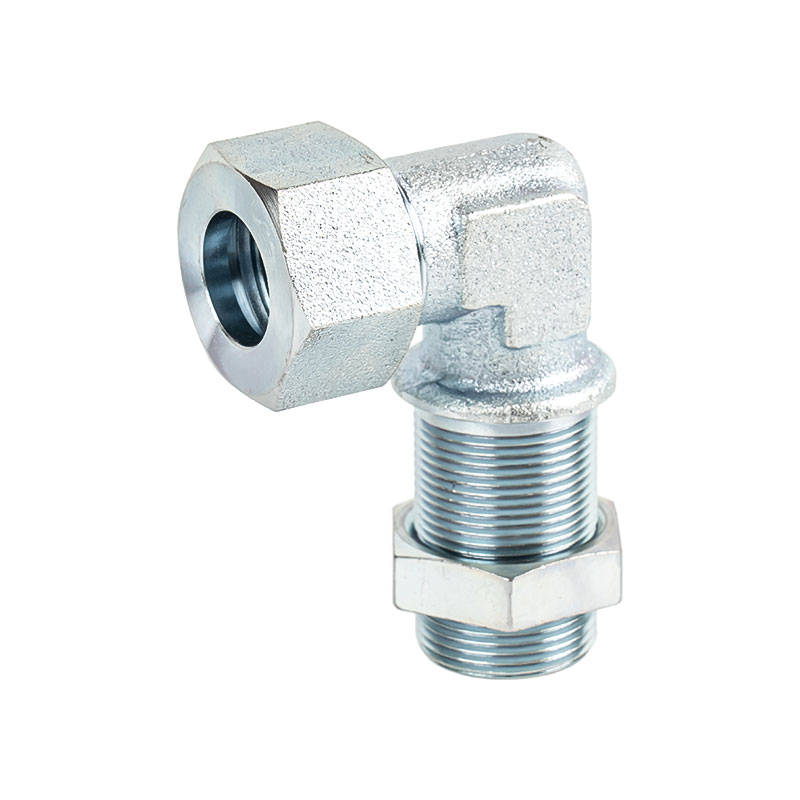
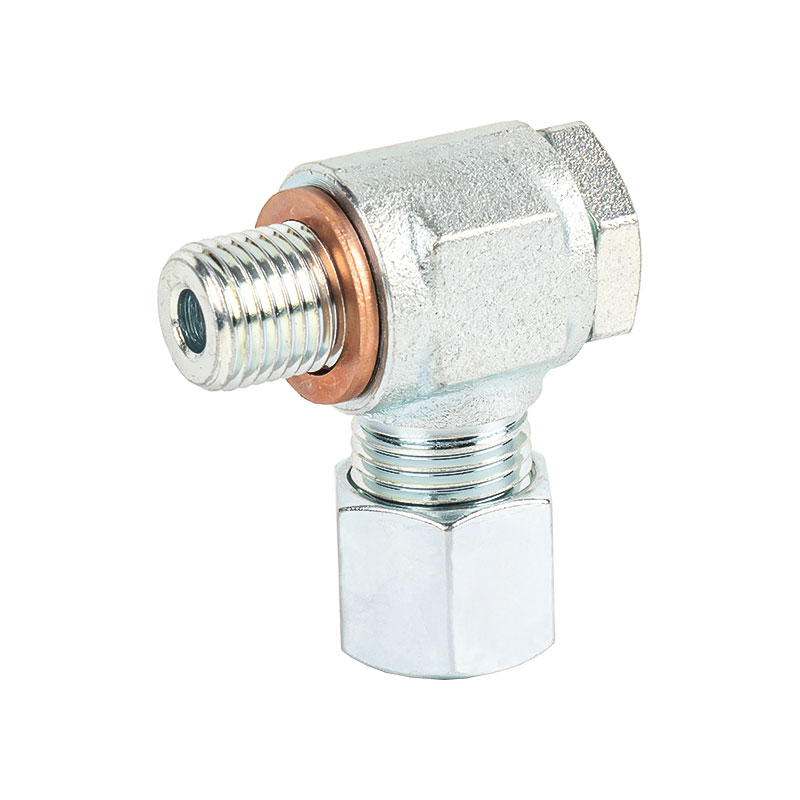
- Elbow adapters (45° or 90°) redirect flow in tight spaces.
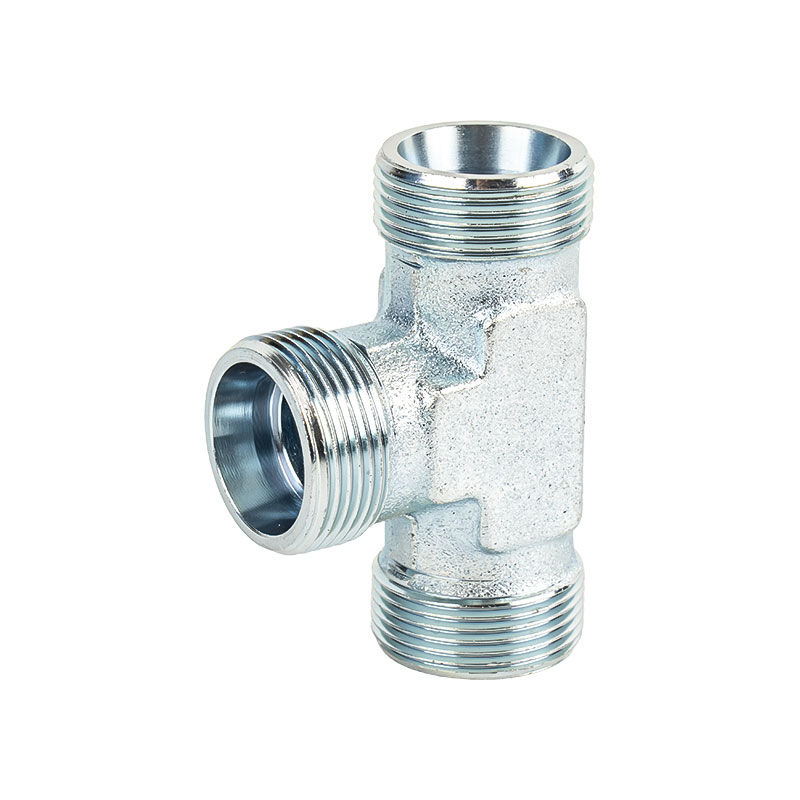
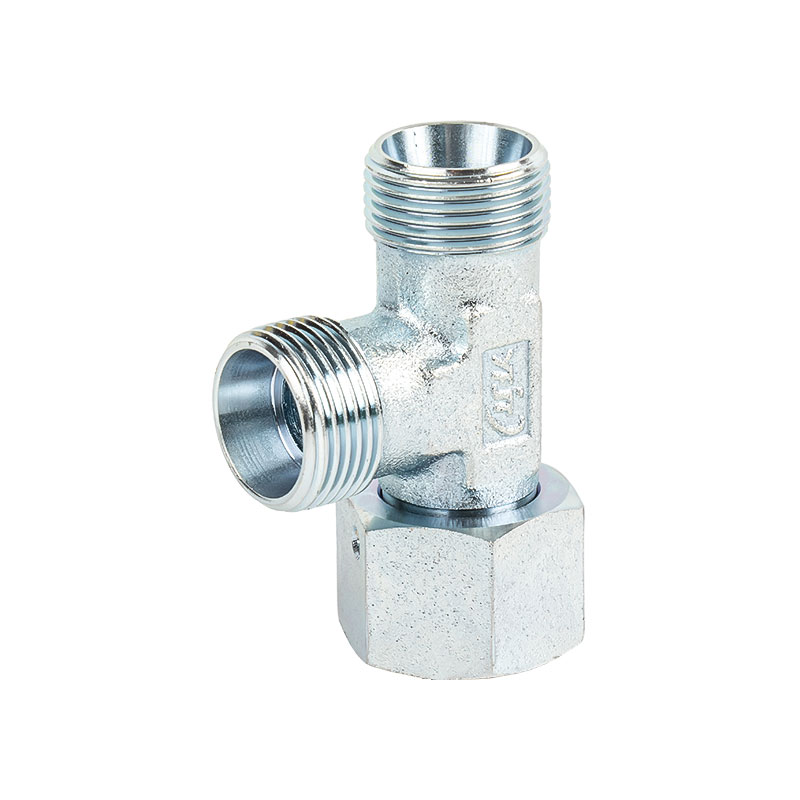
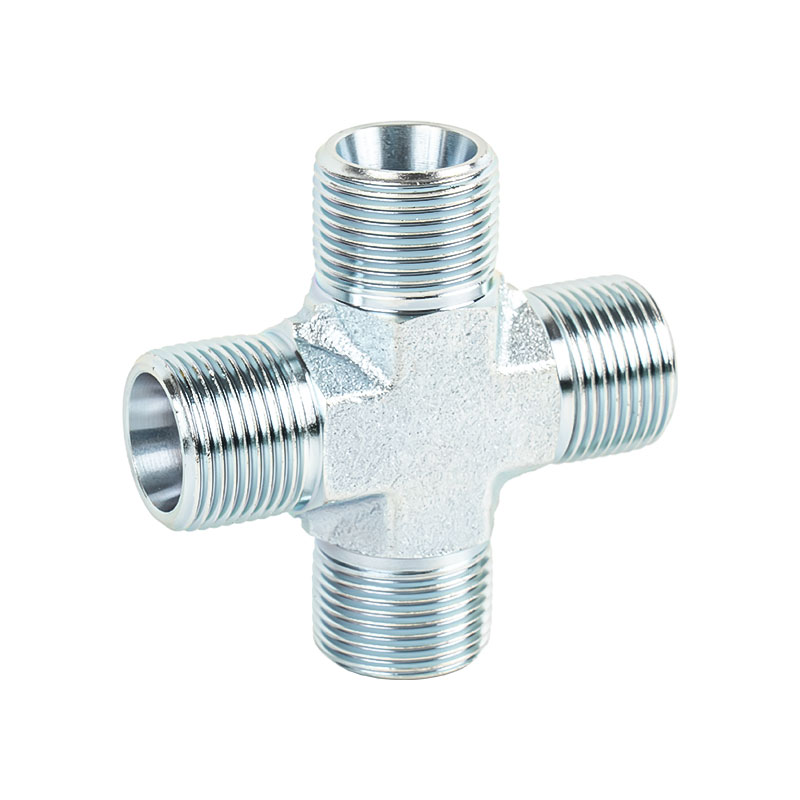
- Tee and cross adapters allow branching of hydraulic lines.
- Male-to-male, female-to-female, and male-to-female adapters provide connection flexibility.
Materials and Pressure Ratings
JIC fittings are manufactured from various materials depending on the pressure requirements and environmental conditions. Material choice affects strength, corrosion resistance, and durability.
| Material | Typical Pressure Rating | Key Advantages |
|---|---|---|
| Carbon Steel | Up to 6000 psi | High strength, cost-effective, widely used |
| Stainless Steel | Up to 5000 psi | Corrosion-resistant, ideal for harsh environments |
| Brass | Up to 3000 psi | Good corrosion resistance, lightweight, low pressure |
Installation and Best Practices
Proper installation is crucial for ensuring leak-free performance and long service life of JIC fittings. Key considerations include torque settings, alignment, and cleanliness.
Installation Tips
- Always clean threads and flare surfaces before assembly.
- Use recommended torque values to avoid over-tightening or leakage.
- Inspect fittings periodically for signs of wear or corrosion.
- Use compatible materials for both fitting and tubing to prevent galvanic corrosion.
Applications of JIC Hydraulic Fittings
JIC hydraulic fittings are widely used in industries where reliable high-pressure connections are required. They support equipment in construction, agriculture, industrial manufacturing, and mobile hydraulics.
Typical Applications
- Excavators, loaders, and other construction machinery
- Industrial hydraulic presses and automation equipment
- Agricultural machinery like tractors and sprayers
- Marine and mobile hydraulic systems exposed to varying pressure and environmental conditions