 English
 Español
 中文简体
中文简体Understanding Adapter Fittings and Hydraulic Adapter Fittings
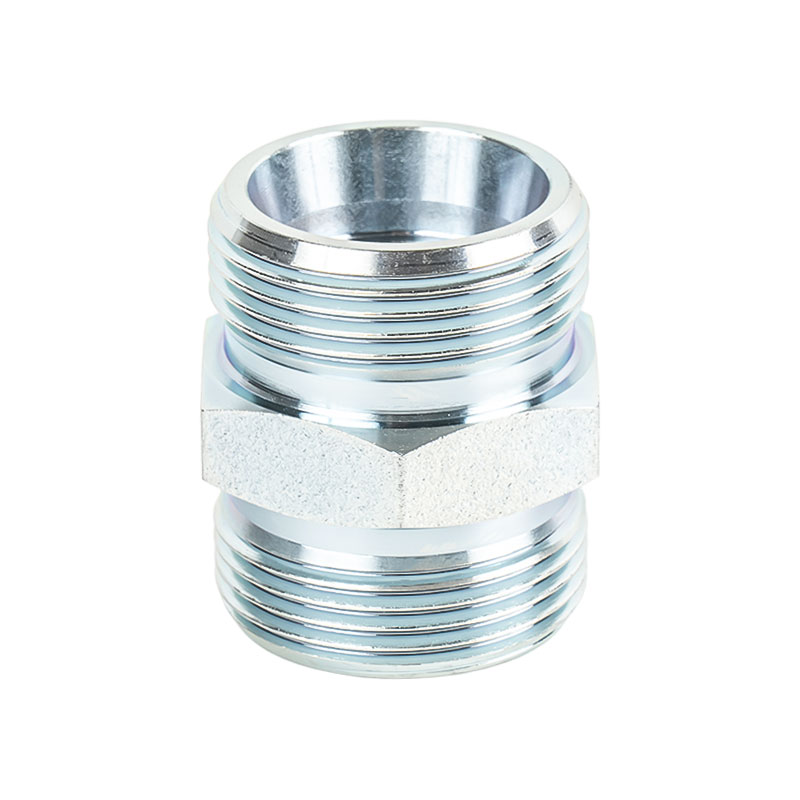
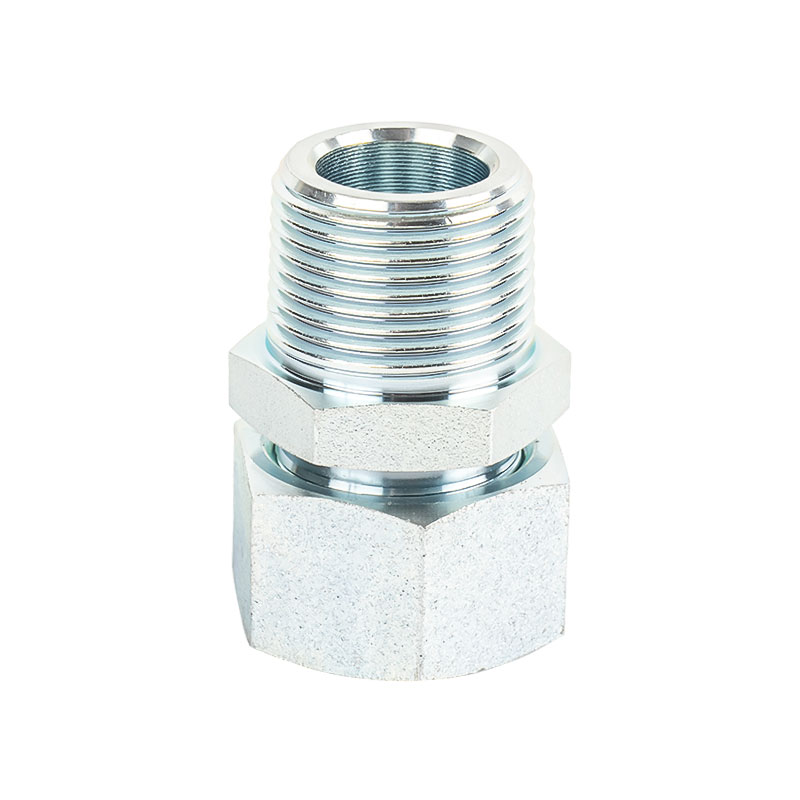
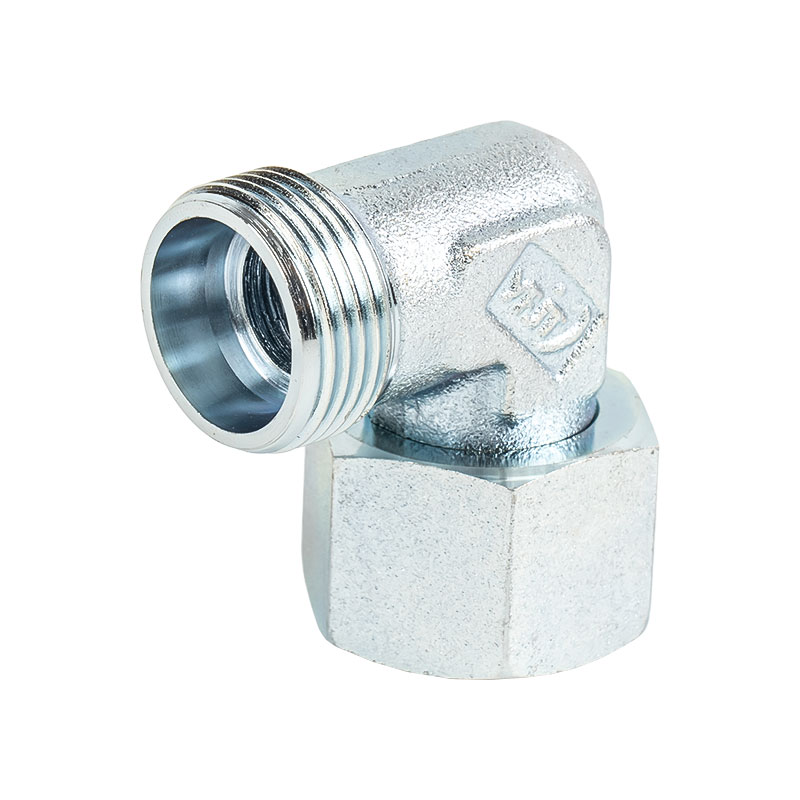
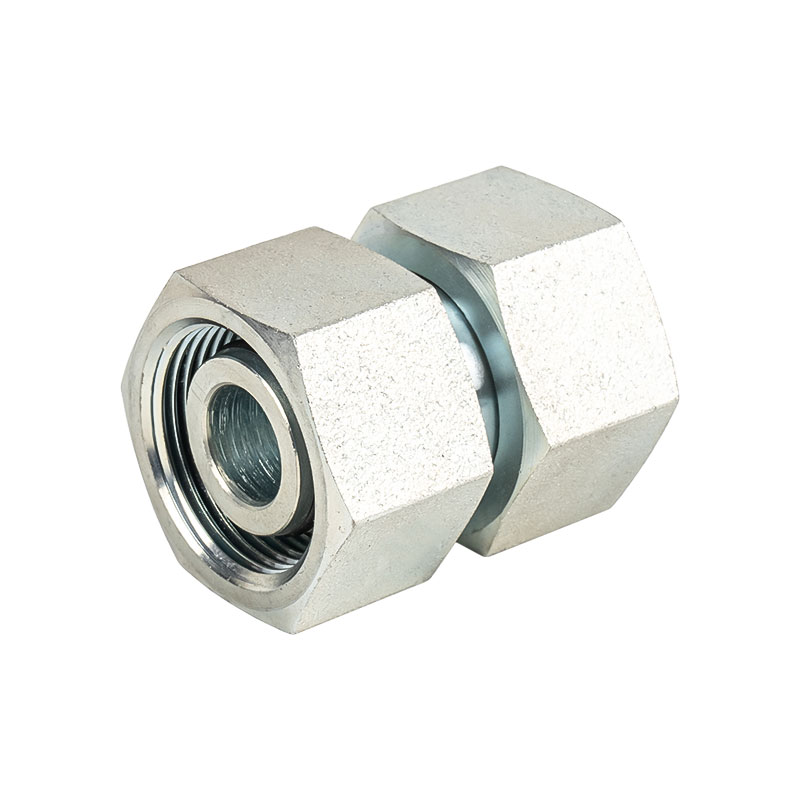
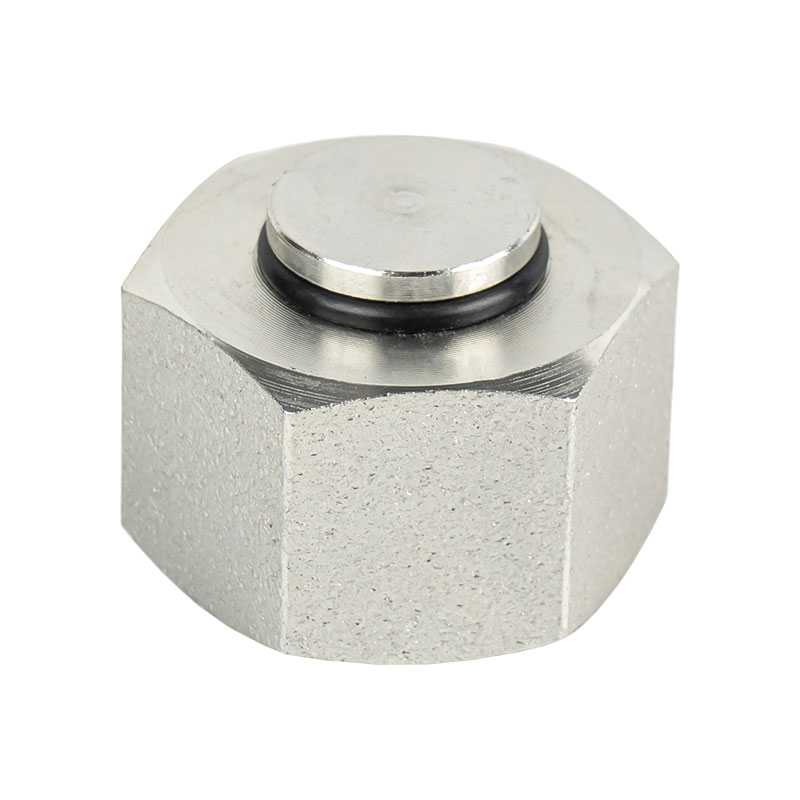
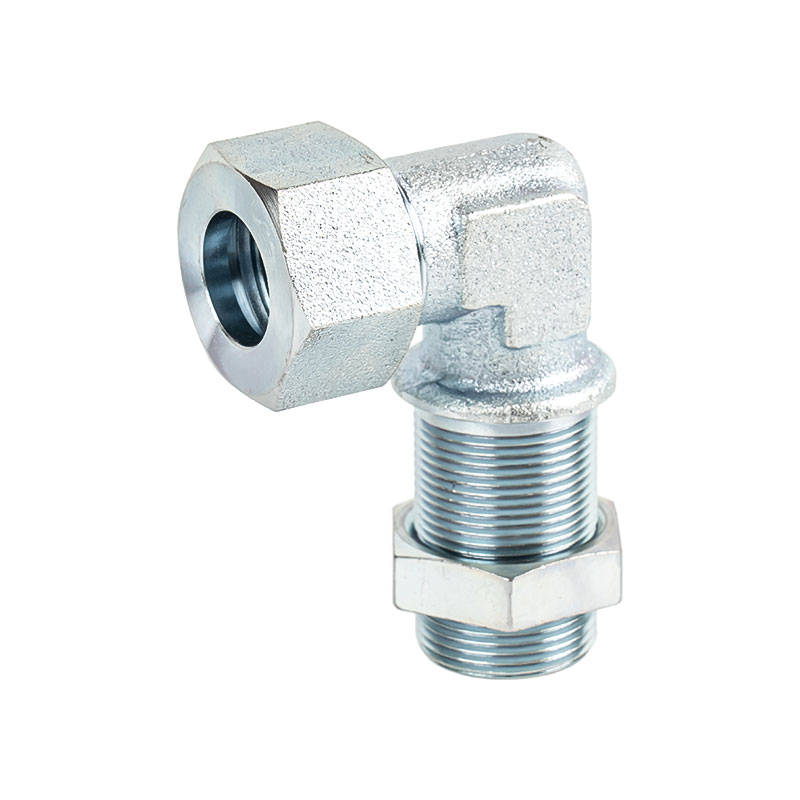
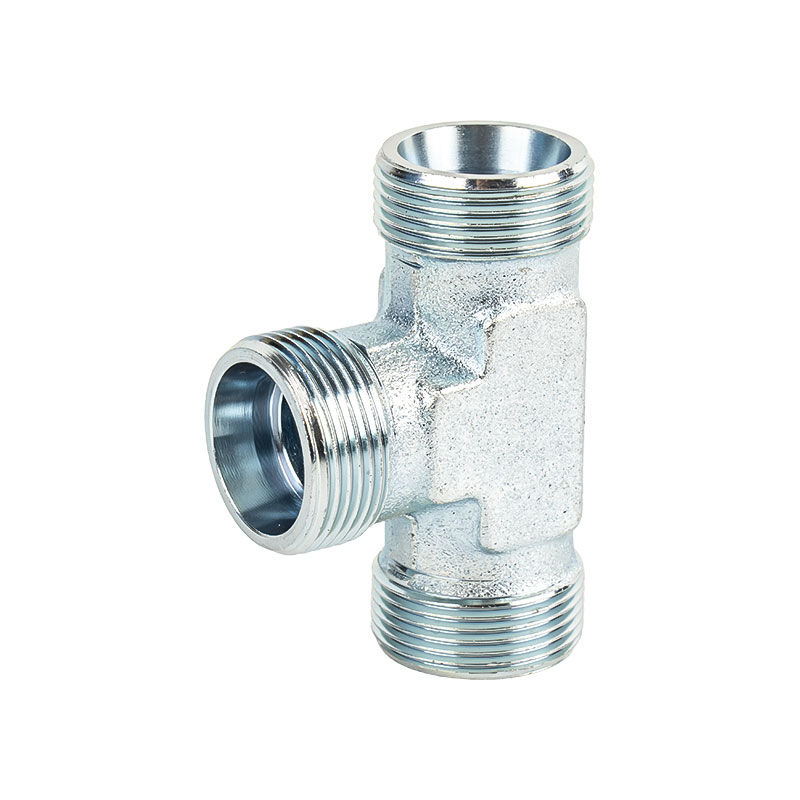
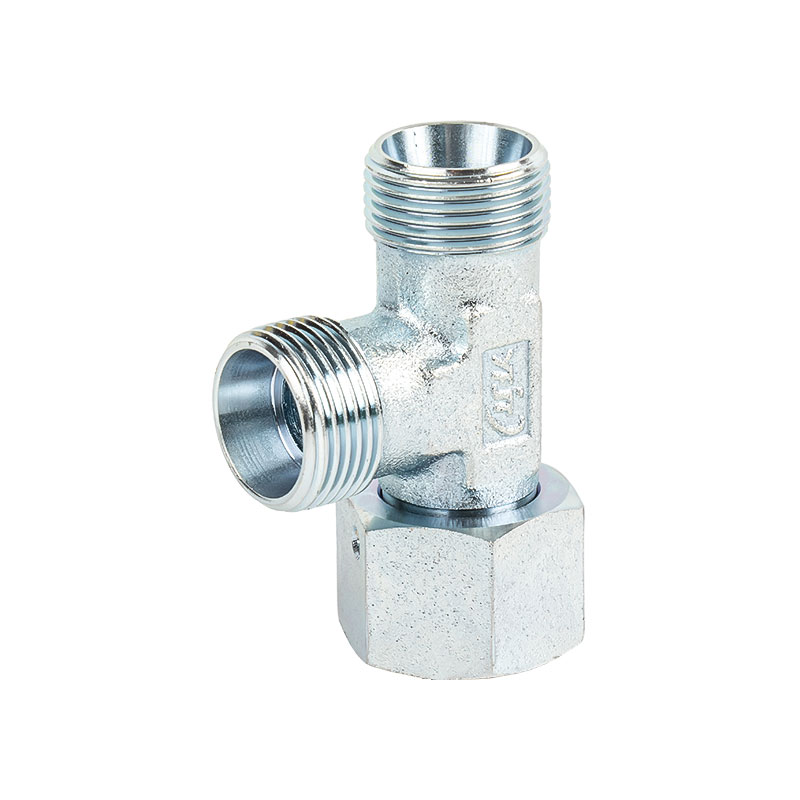
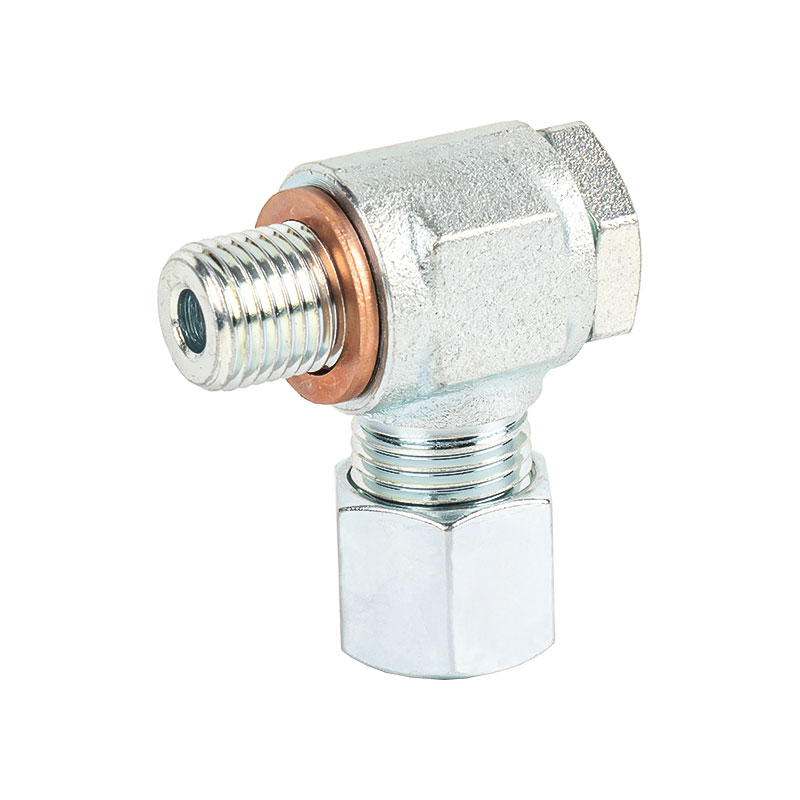
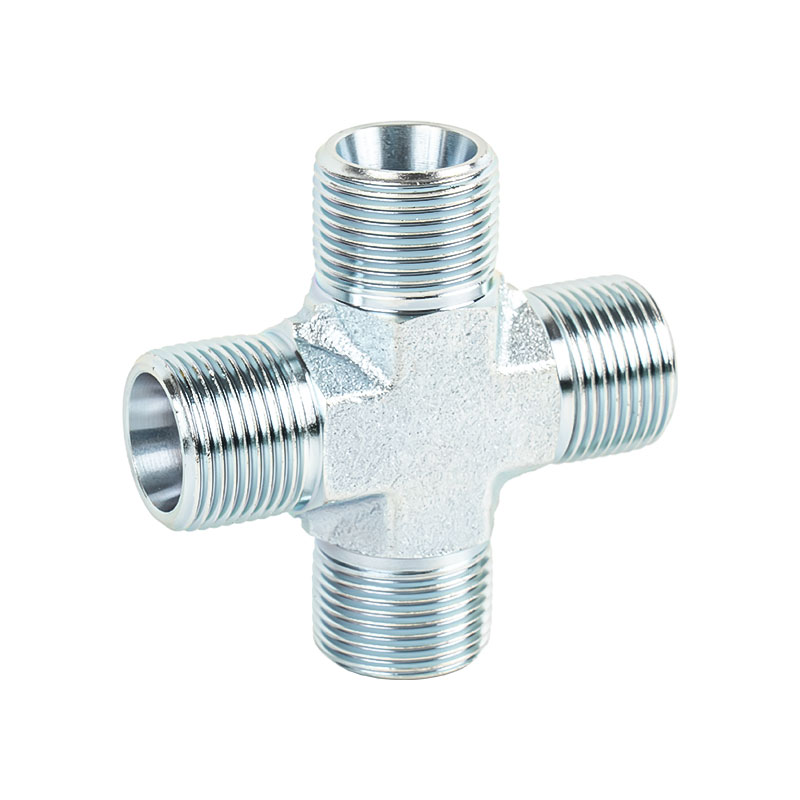
Adapter fittings are essential components in hydraulic and fluid systems, designed to connect two different types or sizes of pipes, tubes, or hoses. Hydraulic adapter fittings, in particular, ensure high-pressure fluid systems maintain leak-free, reliable connections under demanding conditions. These fittings are crucial for industries such as manufacturing, automotive, aerospace, and construction.Using the right adapter fitting reduces downtime, improves system efficiency, and ensures safety. In hydraulic systems, the wrong fitting can lead to leaks, pressure drops, or even equipment failure.
Types of Adapter Fittings
Threaded Adapter Fittings
Threaded adapter fittings connect pipes and hoses using male and female threads. Common thread types include:
- NPT (National Pipe Thread) – widely used in North America
- BSP (British Standard Pipe) – common in Europe and Asia
- Metric threads – precise fit for hydraulic systems
Flared Adapter Fittings
Flared adapter fittings use a conical flare at the tube end to create a tight seal. They are ideal for high-pressure applications and are widely used in hydraulic and refrigeration systems. For example, a 37° SAE flare fitting can handle pressures up to 6000 psi in industrial hydraulic applications.
Compression and Push-to-Connect Fittings
Compression fittings rely on a ferrule to compress and seal the tube. Push-to-connect fittings provide fast installation without tools, suitable for low- to medium-pressure hydraulic circuits.
Material Selection for Hydraulic Adapter Fittings
Choosing the right material ensures durability and corrosion resistance. Common materials include:
- Carbon Steel: High strength, suitable for high-pressure systems
- Stainless Steel: Resistant to corrosion, ideal for harsh environments
- Brass: Easy to machine, often used in low-pressure systems
Material choice must align with the fluid type, operating temperature, and pressure to ensure long-term reliability.
Hydraulic Adapter Fittings: Performance and Standards
Hydraulic adapter fittings must comply with international standards for pressure and thread integrity. Standards such as SAE J514, ISO 8434, and DIN 2353 define dimensions, thread types, and performance criteria. Adhering to these standards ensures compatibility and safety across hydraulic systems.
| Fitting Type | Pressure Rating (psi) | Typical Application |
|---|---|---|
| NPT Thread | 3000–6000 | Industrial hydraulics, machinery |
| Flared SAE | 2000–6000 | High-pressure fluid connections |
| Compression | 500–3000 | Low-pressure fluid systems, instrumentation |
Installation and Best Practices
Proper installation is critical to ensure leak-free operation and system longevity. Key practices include:
- Verify thread compatibility and use appropriate thread sealants
- Avoid over-tightening to prevent damage to threads and ferrules
- Ensure proper alignment to reduce stress on fittings and hoses
- Perform pressure tests after installation to detect leaks early
Following manufacturer specifications and industry standards ensures reliable performance and safety in hydraulic systems.