 English
 Español
 中文简体
中文简体Introduction to Hydraulic Adapter Fittings
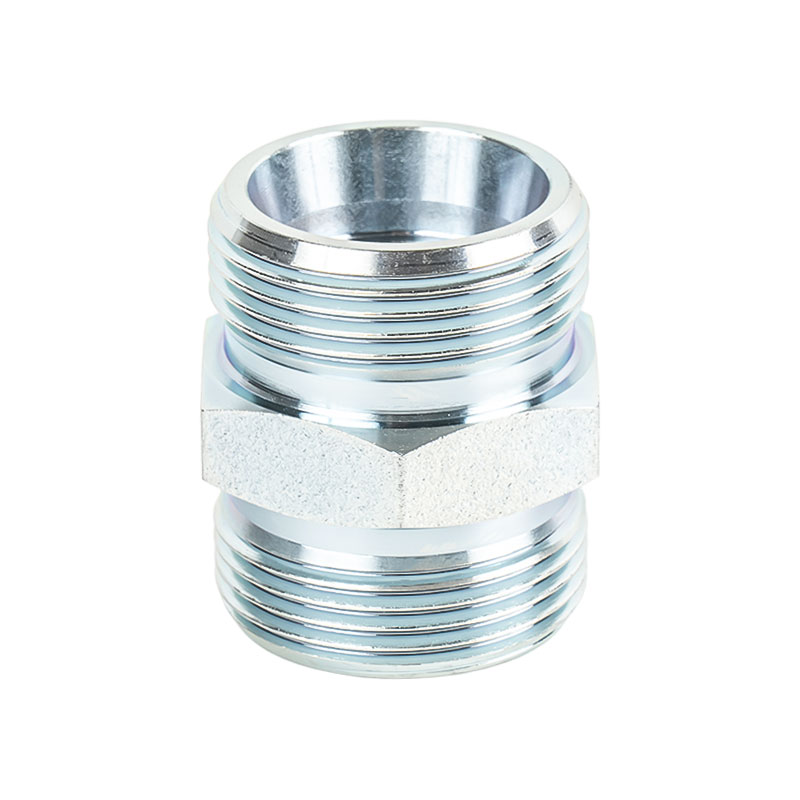
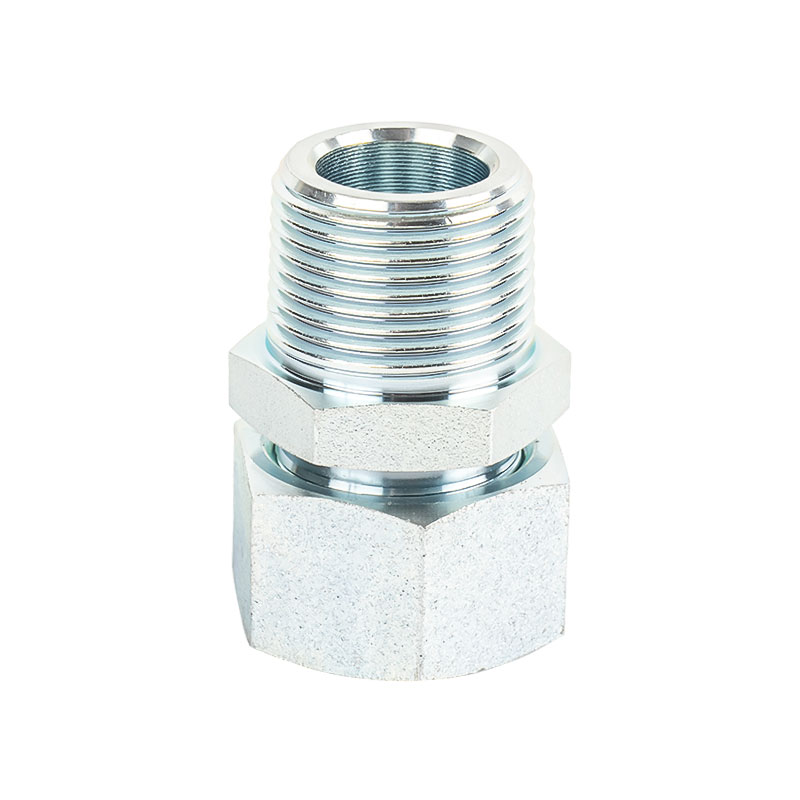
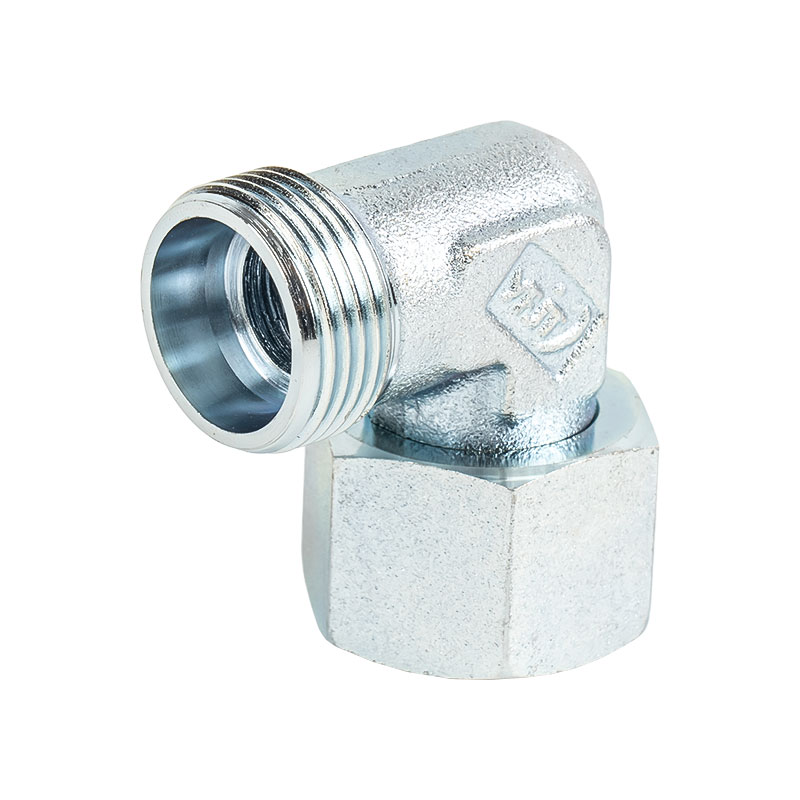
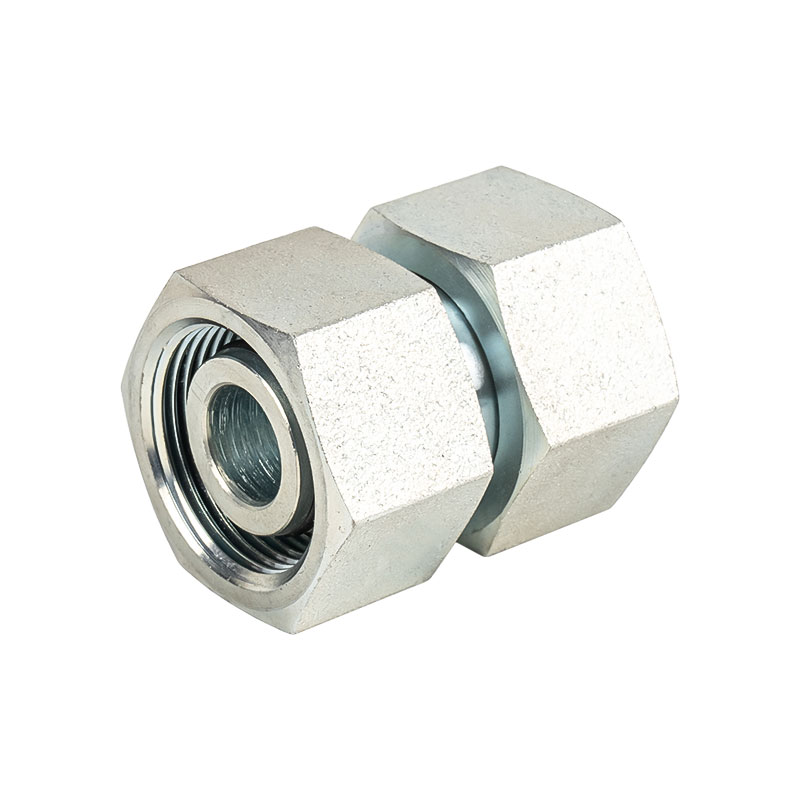
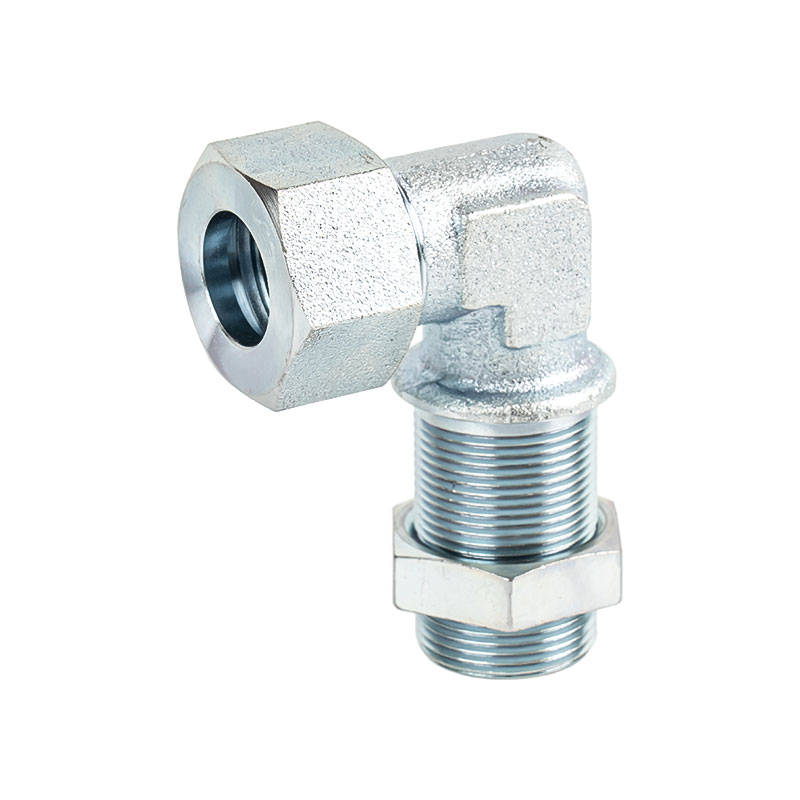
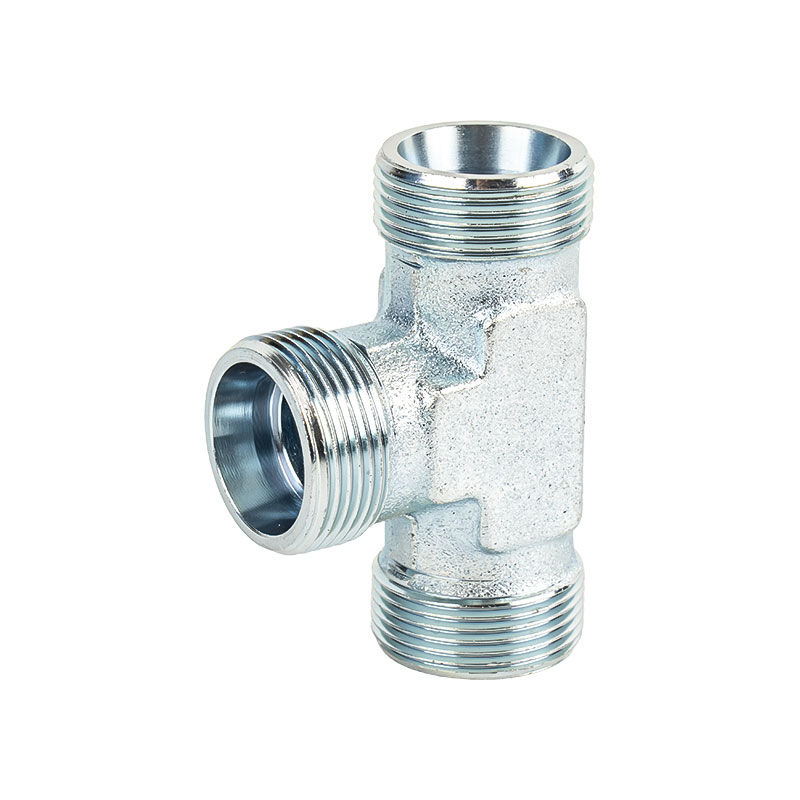
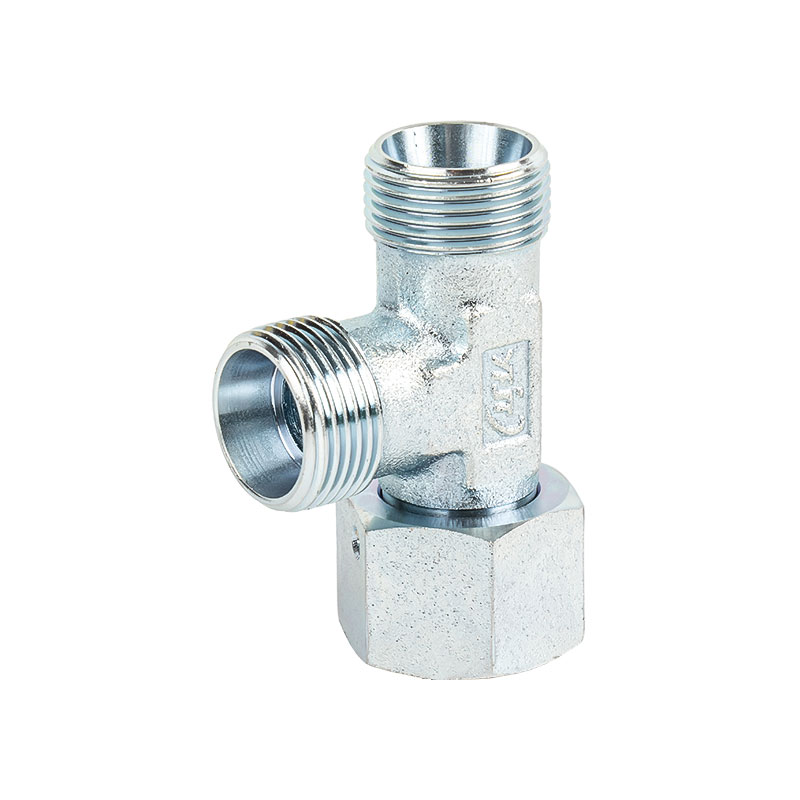
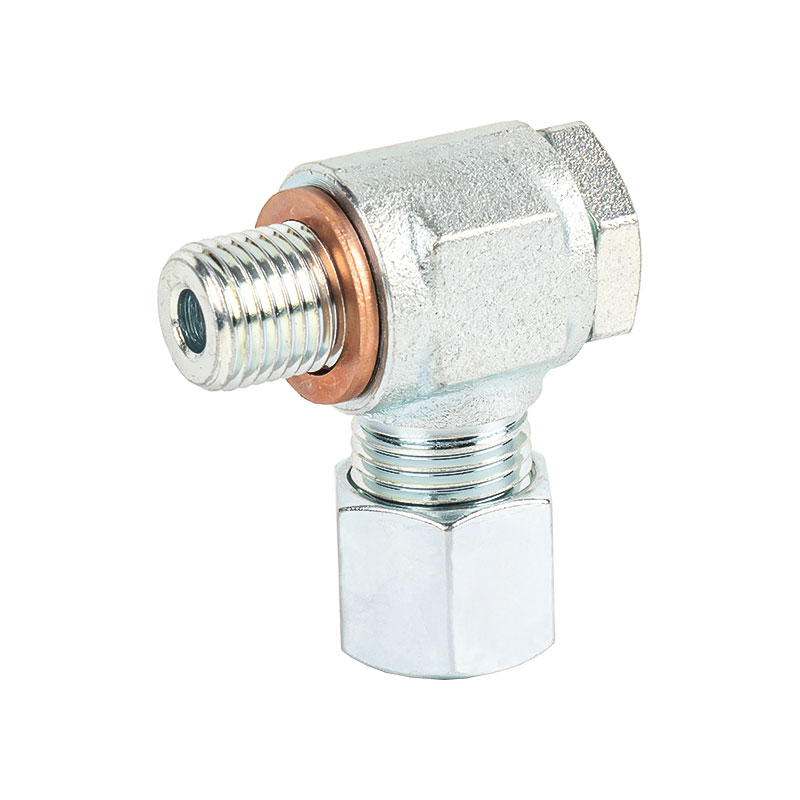
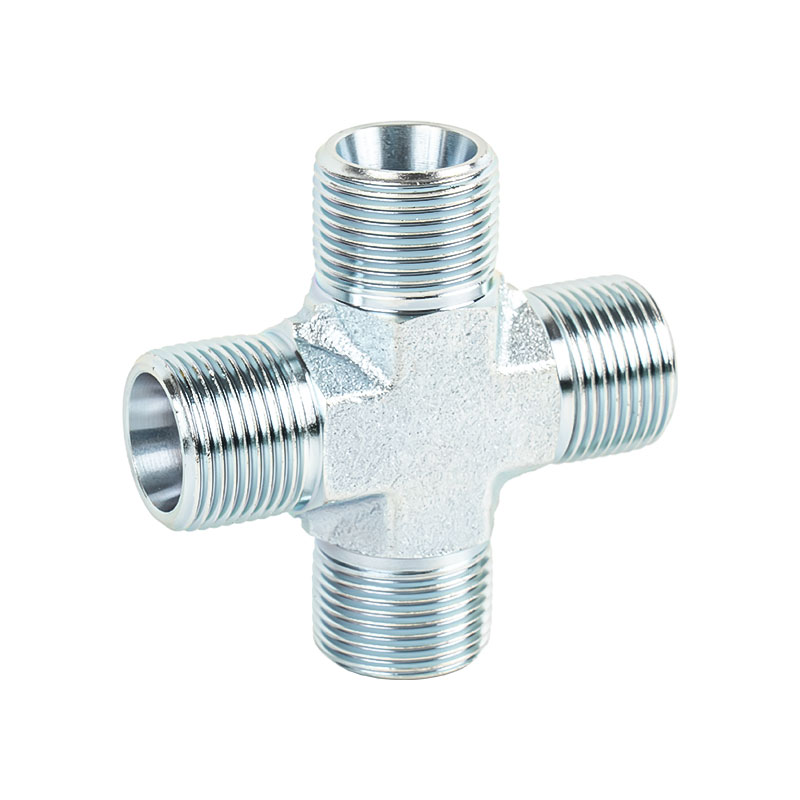
Hydraulic adapter fittings are essential components in fluid power systems, enabling the connection of hoses, pipes, and tubes to equipment such as pumps, valves, and cylinders. These fittings play a crucial role in ensuring the smooth operation of hydraulic machinery by allowing fluid to flow efficiently and safely through the system. Given the critical nature of hydraulic systems, the reliability and safety of the components, including the adapter fittings, are paramount. A double-seal design in hydraulic adapter fittings is one such innovation aimed at enhancing safety by minimizing the risk of fluid leakage and ensuring secure connections.
The Importance of Sealing in Hydraulic Systems
In hydraulic systems, proper sealing is essential for the safe and efficient transfer of fluids under high pressure. Leaks in hydraulic systems can lead to loss of fluid, decreased system efficiency, and in some cases, catastrophic failures. Hydraulic adapter fittings, which are responsible for connecting different parts of the hydraulic system, need to be designed to maintain tight seals that can withstand high pressures and harsh operating conditions.
A seal in a hydraulic system prevents fluid from escaping the system, thus maintaining pressure integrity and preventing contamination from external elements. Over time, seals can degrade due to wear, temperature fluctuations, or exposure to aggressive fluids, which can compromise the safety and functionality of the system. As such, manufacturers have increasingly turned to double-seal designs as a more effective solution for preventing leaks and improving the safety of hydraulic systems.
What is a Double-Seal Design?
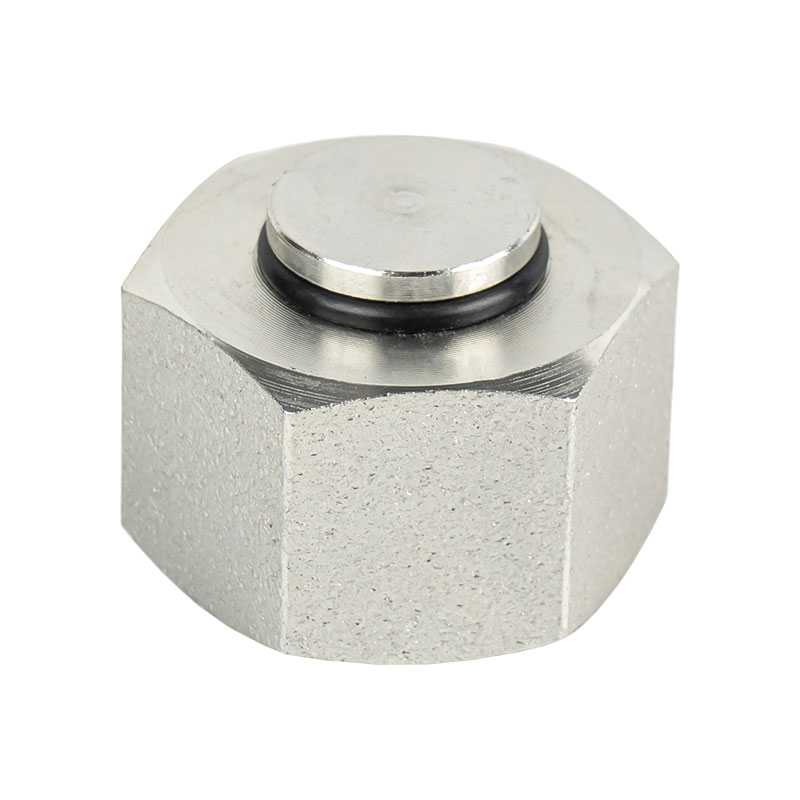
A double-seal design in hydraulic adapter fittings refers to the incorporation of two distinct sealing elements that work together to prevent fluid leakage. Typically, these designs involve two O-rings or other types of seals placed in such a way that they create a backup seal in case one seal fails or becomes compromised. The two seals can be placed in series or in parallel, depending on the specific requirements of the system.
The primary benefit of a double-seal design is redundancy. If one seal starts to wear out or develop a leak, the second seal provides a fail-safe, preventing fluid loss and ensuring that the system continues to operate smoothly. This redundancy is particularly important in high-pressure environments where even a small leak can have serious consequences.
Types of Double-Seal Designs
There are several ways to implement a double-seal design in hydraulic adapter fittings. These designs can vary based on the type of seals used, their placement, and the overall construction of the fitting. Some common types of double-seal designs include:
1. Dual O-Ring Seals
One of the most common types of double-seal designs is the use of two O-rings placed in series. In this configuration, the first O-ring provides the initial seal, while the second O-ring acts as a backup. Dual O-ring seals are often used in high-pressure hydraulic systems because they offer reliable sealing performance, even in challenging conditions. The two O-rings work together to provide extra protection against leaks, ensuring that the system maintains its pressure integrity.
2. Dual Lip Seals
Another approach to double-seal design is the use of dual lip seals. These seals feature two flexible lips that make contact with the mating surfaces, creating a barrier to fluid leakage. The dual-lip design helps improve sealing performance by providing multiple contact points, which can better handle the pressures and vibrations common in hydraulic systems. These seals are particularly useful in applications where the fluid may contain particulates or where higher levels of sealing are required.
3. Combination of O-Ring and Lip Seal
In some cases, a combination of an O-ring and a lip seal is used to create a double-seal design. The O-ring typically seals the primary connection, while the lip seal provides additional protection. This combination offers enhanced safety by incorporating the benefits of both seal types. The O-ring provides an effective seal against fluid leakage, while the lip seal helps prevent contamination and additional leakage by providing a secondary barrier.
4. Back-to-Back Seals
In a back-to-back double-seal design, two identical seals are placed in opposite directions. This arrangement ensures that if one seal fails, the other will continue to function, preventing fluid leakage. This design is often used in applications where the hydraulic system is exposed to extreme conditions, such as high temperatures or aggressive fluids. The back-to-back seal design is effective in preventing leaks by ensuring redundancy even if one of the seals experiences damage or degradation.
Benefits of a Double-Seal Design in Hydraulic Adapter Fittings
The primary advantage of a double-seal design in hydraulic adapter fittings is its ability to enhance safety by providing a fail-safe mechanism. Some of the key benefits include:
1. Increased Reliability
A double-seal design significantly increases the reliability of hydraulic systems by providing an added layer of protection against leaks. The redundancy provided by the second seal ensures that, even if the first seal begins to degrade, the system will continue to operate without interruption. This added reliability is especially important in critical applications where system failure can have serious consequences, such as in heavy machinery, aerospace, and industrial equipment.
2. Extended Service Life
By incorporating two seals, the double-seal design helps distribute the wear and tear that occurs over time. With two seals in place, the load is shared between them, reducing the stress on each individual seal. This can extend the service life of both the fitting and the seals themselves, ultimately reducing the frequency of maintenance and replacement costs.
3. Enhanced Leak Prevention
Double-seal designs provide superior leak prevention compared to single-seal systems. In hydraulic systems that operate under high pressure, even a small leak can lead to fluid loss, decreased performance, and environmental contamination. The double-seal design minimizes the risk of leakage by providing an additional barrier, ensuring that the system remains sealed even in challenging conditions.
4. Improved Safety
Safety is a key concern in hydraulic systems, particularly in industrial environments. Hydraulic fluid leaks can not only reduce system efficiency but also pose significant risks to workers and the environment. By incorporating a double-seal design, hydraulic adapter fittings can help prevent leaks, reduce the likelihood of accidents, and improve overall safety in the workplace.
Challenges of Double-Seal Designs
While double-seal designs offer numerous benefits, they also come with certain challenges. One of the main concerns is the complexity of installation. Double-seal fittings often require more precise alignment during installation, and the presence of multiple seals can increase the likelihood of improper installation if not handled carefully. Additionally, the added complexity of double-seal designs can lead to higher costs, both in terms of the fittings themselves and the installation process.
Maintenance Considerations
Although double-seal designs improve reliability and safety, they still require regular maintenance to ensure optimal performance. Over time, seals can degrade due to exposure to temperature fluctuations, chemical reactions with fluids, and mechanical stress. Regular inspection and timely replacement of seals are crucial to maintaining the integrity of the hydraulic system and preventing leaks.
Applications of Double-Seal Hydraulic Adapter Fittings
Double-seal hydraulic adapter fittings are particularly useful in applications where system reliability and safety are paramount. Some common applications include:
- Heavy Machinery: Hydraulic systems in construction and mining equipment often operate under high pressure and challenging conditions, making double-seal fittings essential for ensuring reliable performance.
- Aerospace: In aerospace applications, where safety is critical, double-seal hydraulic fittings help prevent leaks and maintain system integrity during high-stress operations.
- Oil and Gas Industry: The oil and gas industry relies on hydraulic systems for drilling and extraction operations. Double-seal designs are used to prevent leaks and ensure the safe operation of these high-risk systems.
- Industrial Equipment: Manufacturing and production facilities that rely on hydraulic systems benefit from double-seal fittings, which help maintain system performance and minimize downtime.