 English
 Español
 中文简体
中文简体What Are Hydraulic Adapter Fittings?
Hydraulic adapter fittings are essential components used in hydraulic systems to connect different parts of the system, such as hoses, pipes, and equipment. These fittings help in facilitating smooth fluid flow, ensuring that pressure and fluid transfer are efficiently managed within the system. Unlike standard connectors, hydraulic adapter fittings are designed to handle high-pressure environments, making them crucial in industries like manufacturing, automotive, and energy production.
Types of Hydraulic Adapter Fittings
Hydraulic adapter fittings come in various types, each designed for specific applications and needs. Understanding the differences between these types can help you select the right one for your system. Some common types include:
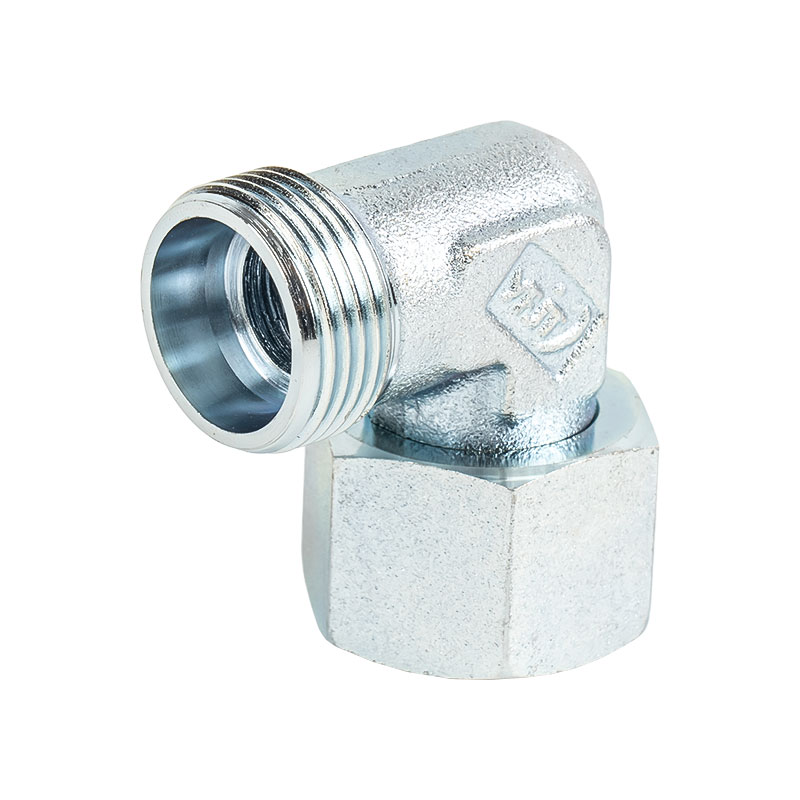
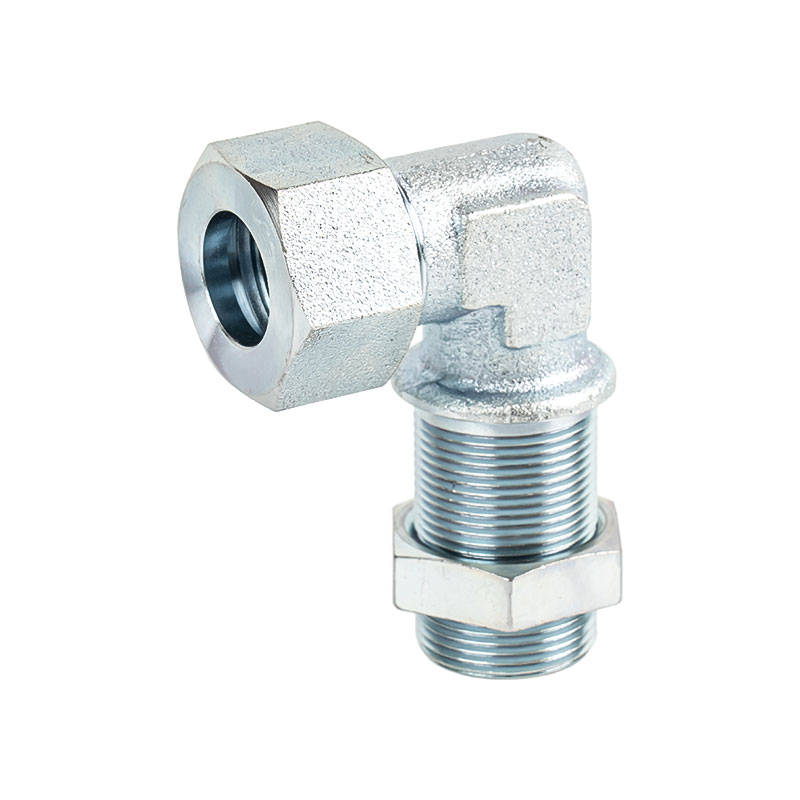
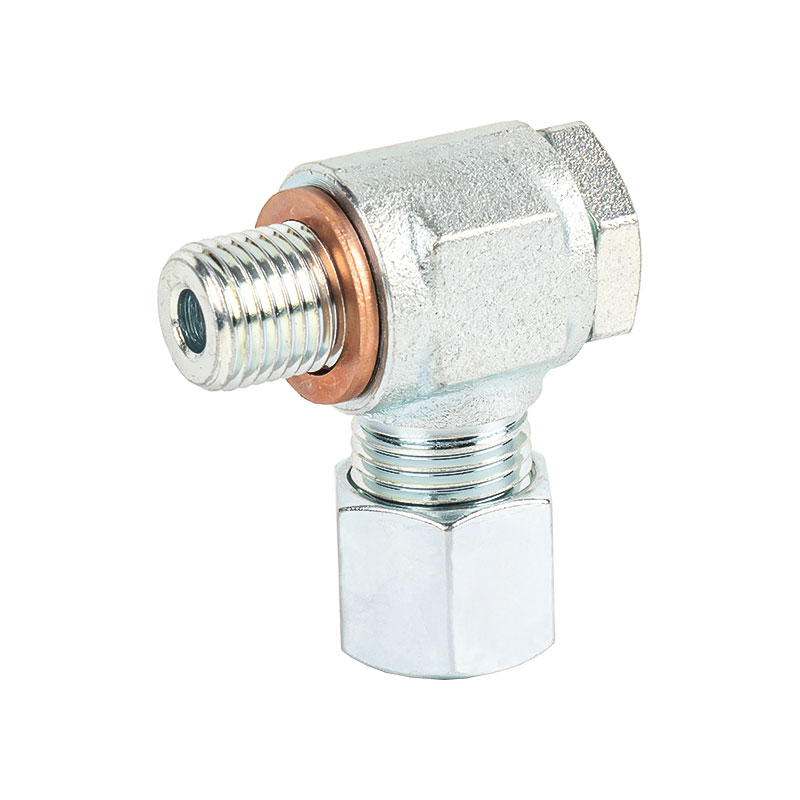
- Elbow Fittings: These fittings are used to change the direction of fluid flow, typically at a 90-degree angle. They are ideal for tight spaces where a straight connection is not feasible.
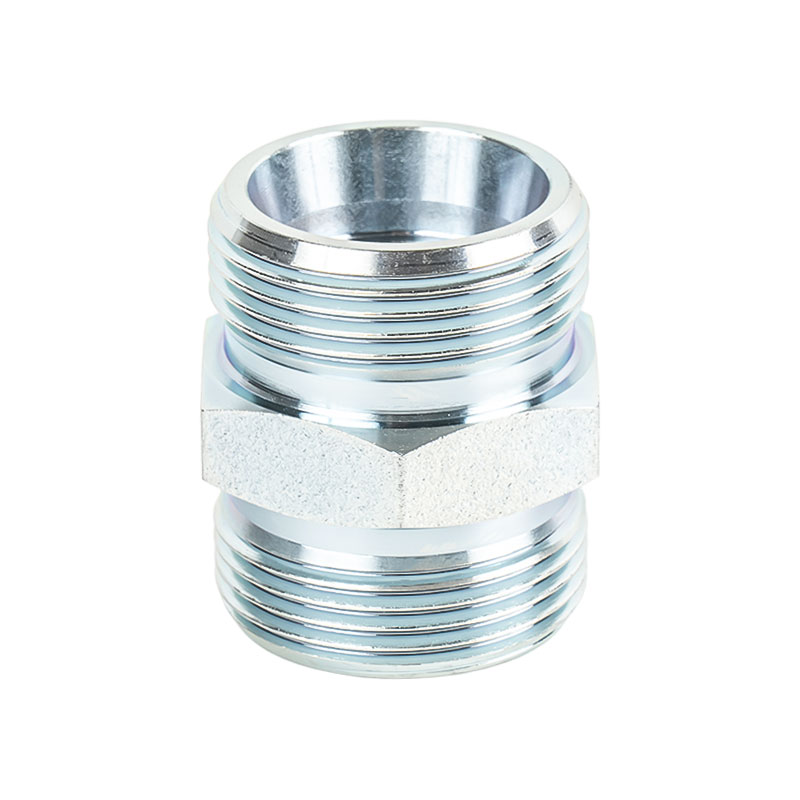
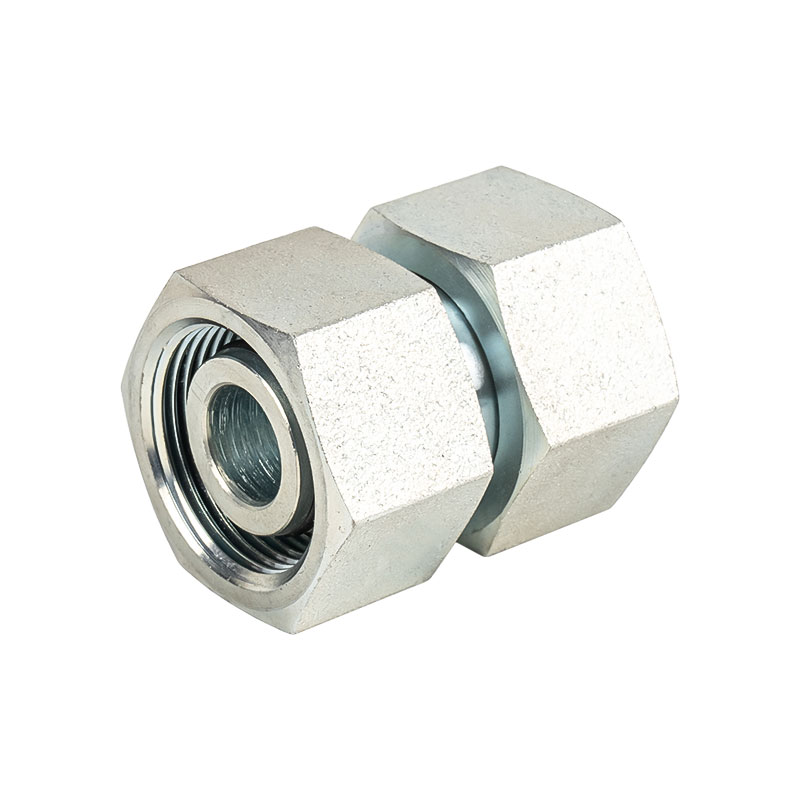
- Straight Fittings: Straight adapter fittings allow for a direct connection between two pipes or hoses, ensuring efficient fluid flow without bending or curving the path.
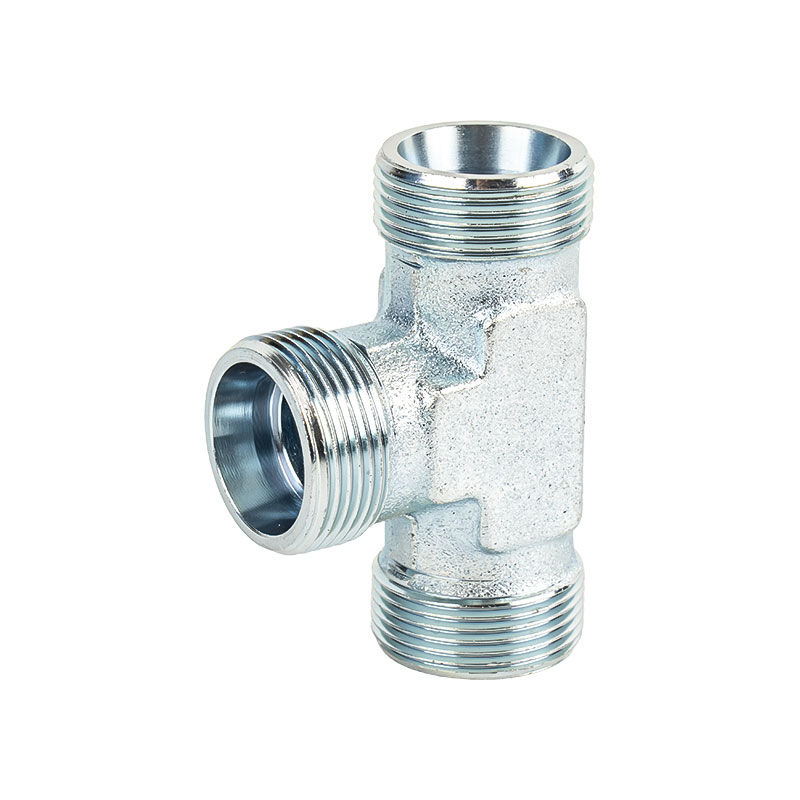
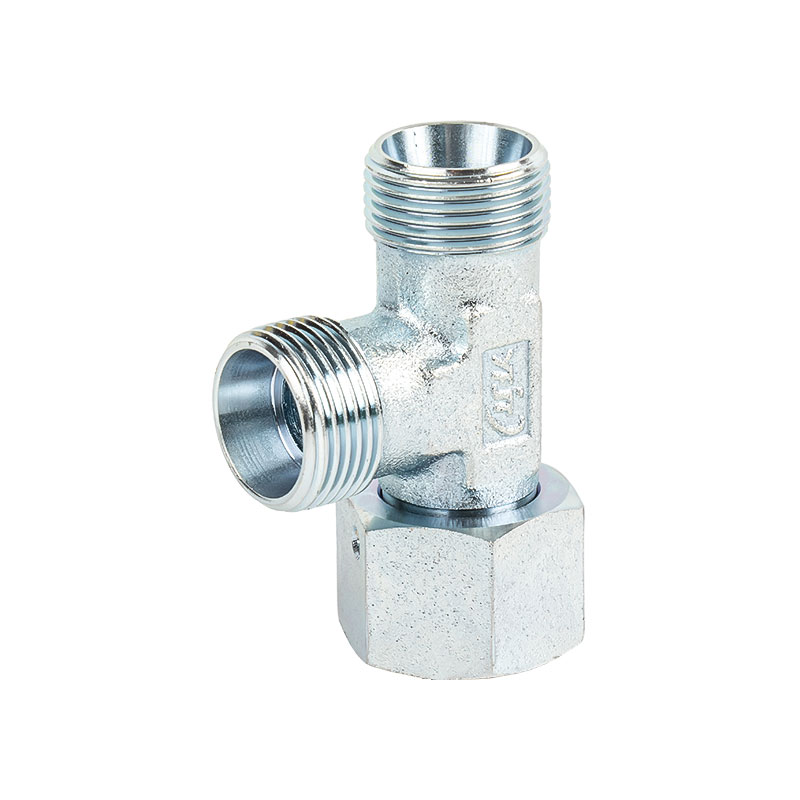
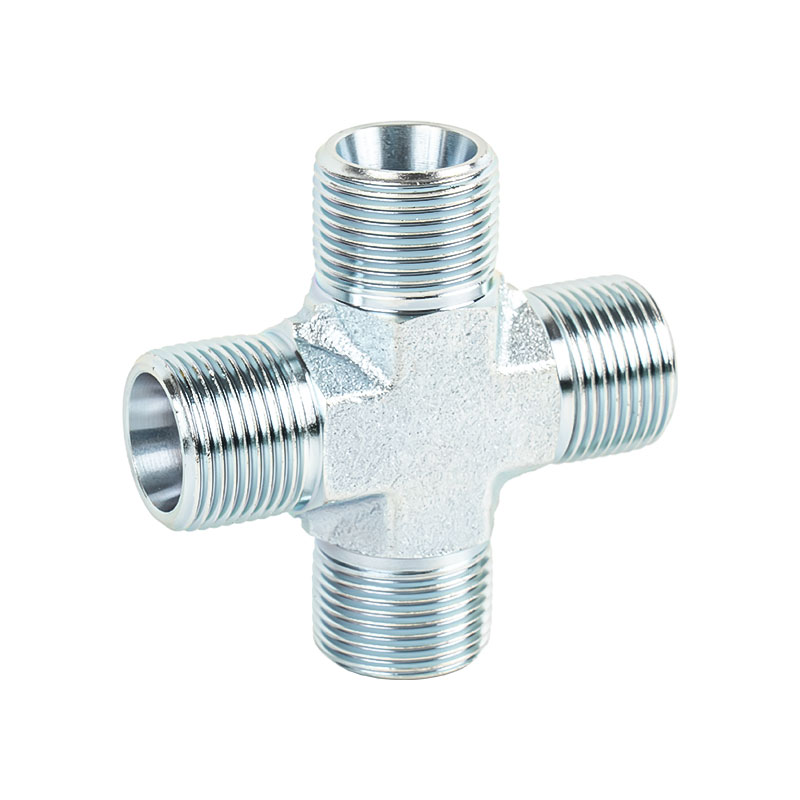
- Tees: Tee fittings are used to branch fluid flow into two separate directions. These are commonly used when a hydraulic system requires multiple flow paths from a single inlet.
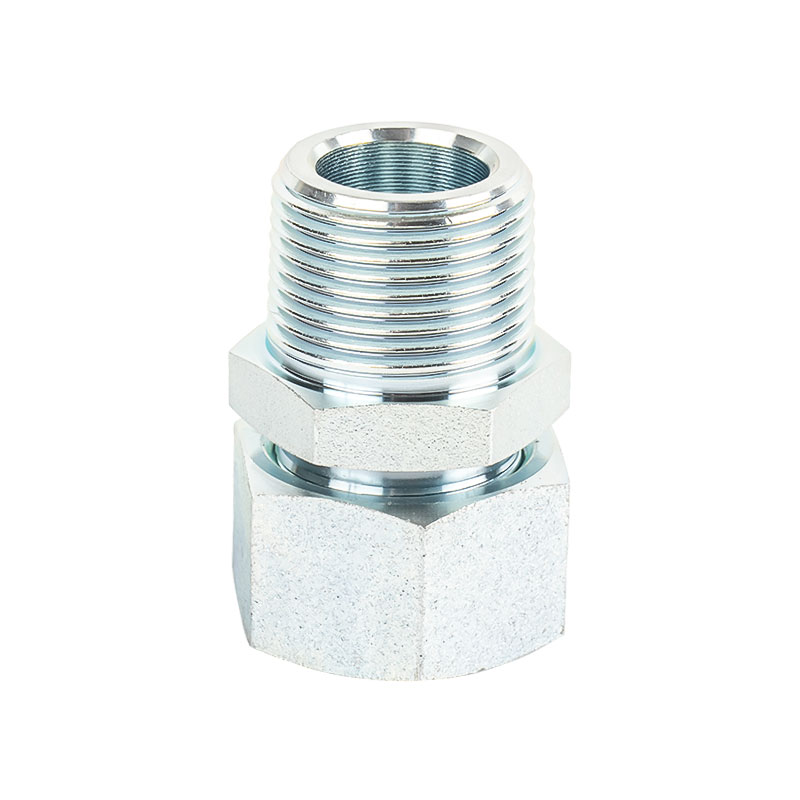
- Reducers: Reducer fittings are used when there is a need to connect two components of different sizes, such as joining a smaller hose to a larger pipe.
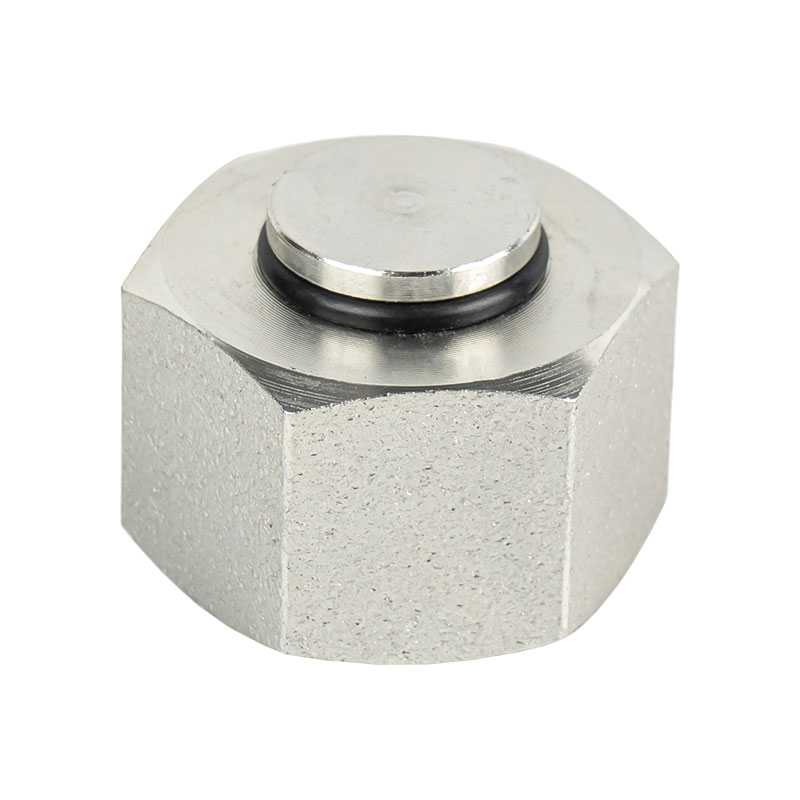
- Caps and Plugs: These fittings are used to seal off open pipe ends or unused ports in hydraulic systems, preventing leakage and contamination.
Material Selection for Hydraulic Adapter Fittings
The material used for hydraulic adapter fittings plays a significant role in their durability, performance, and resistance to wear and tear. Common materials include:
- Steel: Steel is one of the most common materials used for hydraulic adapter fittings due to its strength and resistance to high-pressure environments. Stainless steel variants are preferred for their corrosion resistance.
- Brass: Brass fittings are often used for lower pressure systems or when corrosion resistance is not a primary concern. Brass is easier to machine than steel, making it a cost-effective option.
- Aluminum: Lightweight and resistant to corrosion, aluminum is an excellent material for systems where weight is a concern. However, it is generally used for lower pressure applications.
- Plastic: Plastic fittings are typically used for non-industrial applications or where chemical resistance is essential. They are lightweight but not suitable for high-pressure environments.
How to Choose the Right Hydraulic Adapter Fitting
Choosing the right hydraulic adapter fitting involves several important considerations. Here are the key factors to keep in mind:
- Pressure Rating: Make sure the fitting can handle the pressure levels within your hydraulic system. Exceeding the pressure rating can lead to leakage or failure of the system.
- Size and Compatibility: The fitting must be compatible with the hoses and pipes in your system. This includes ensuring that the threads, diameter, and material match the specifications of your equipment.
- Temperature Resistance: Hydraulic systems often operate in varying temperature conditions, so selecting a fitting that can withstand high or low temperatures is essential.
- Corrosion Resistance: Depending on the environment where the system operates, it may be important to choose fittings made from materials resistant to corrosion, especially for outdoor or marine applications.
Applications of Hydraulic Adapter Fittings
Hydraulic adapter fittings are used across a wide range of industries due to their versatility and ability to handle high-pressure systems. Some notable applications include:
- Automotive Industry: Hydraulic systems in vehicles, such as brakes and suspension systems, require the use of hydraulic adapter fittings to ensure smooth and efficient fluid transfer.
- Manufacturing: Hydraulic machinery used in factories, such as presses and lifts, depends on reliable hydraulic adapter fittings to control fluid flow in the system.
- Construction: Construction equipment like excavators, cranes, and bulldozers utilizes hydraulic systems that require high-performance adapter fittings to operate efficiently.
- Aerospace: Aircraft systems rely on hydraulic adapter fittings for controlling flight surfaces, landing gear, and other essential systems.
Key Considerations for Hydraulic System Maintenance
To ensure the longevity and performance of hydraulic systems, it is important to regularly inspect and maintain the hydraulic adapter fittings. Consider the following:
- Regular inspections: Ensure that fittings are free of cracks, leaks, and signs of wear. This will prevent costly downtime and repairs.
- Cleaning: Hydraulic systems should be kept clean, as contaminants can cause damage to fittings and other components.
- Proper storage: Store hydraulic fittings in a clean, dry environment to avoid exposure to moisture or corrosive agents that could cause deterioration.