 English
 Español
 中文简体
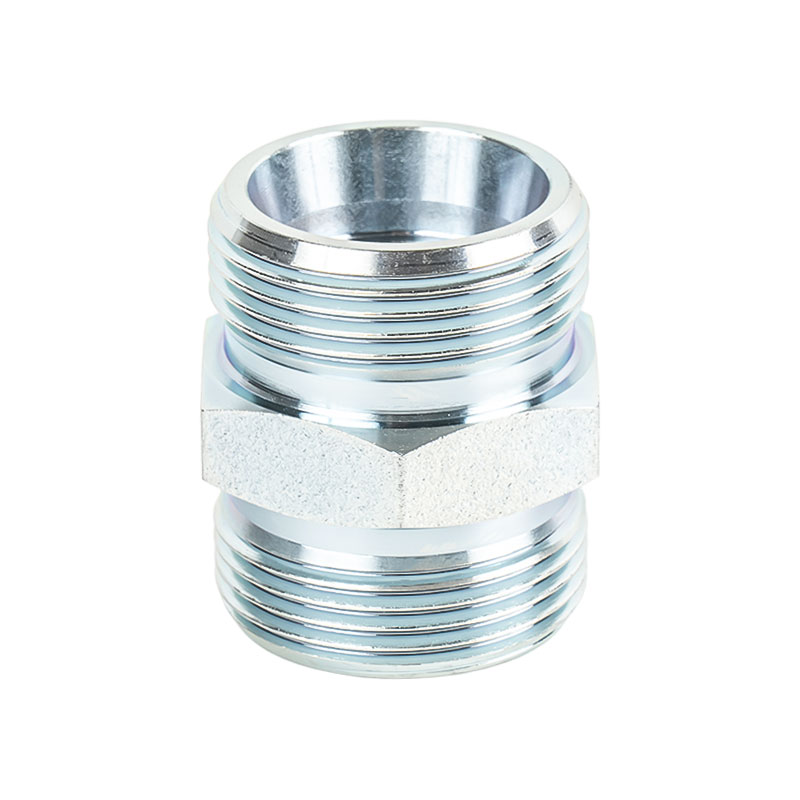
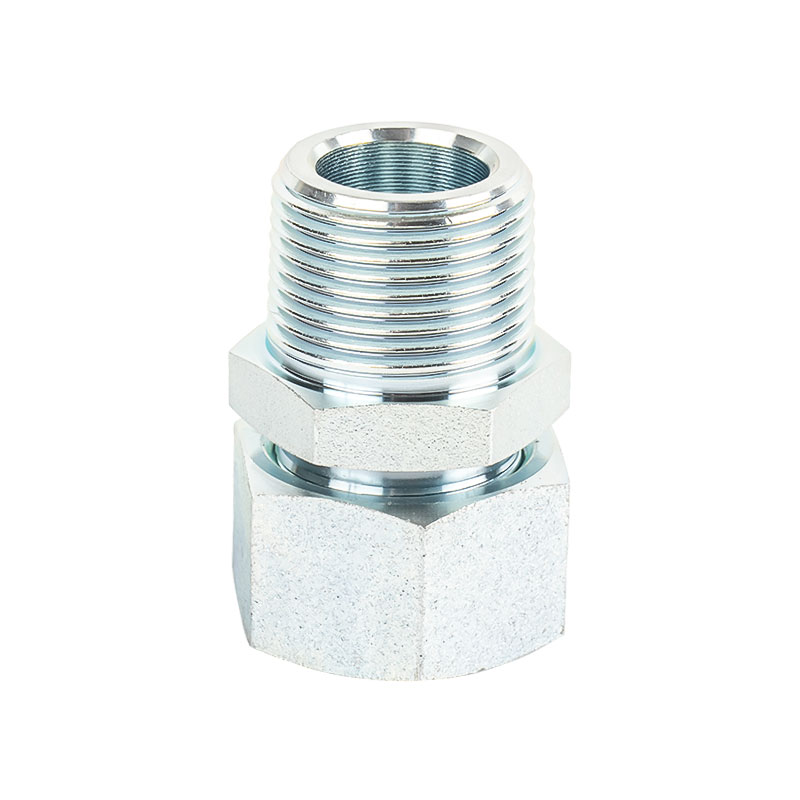
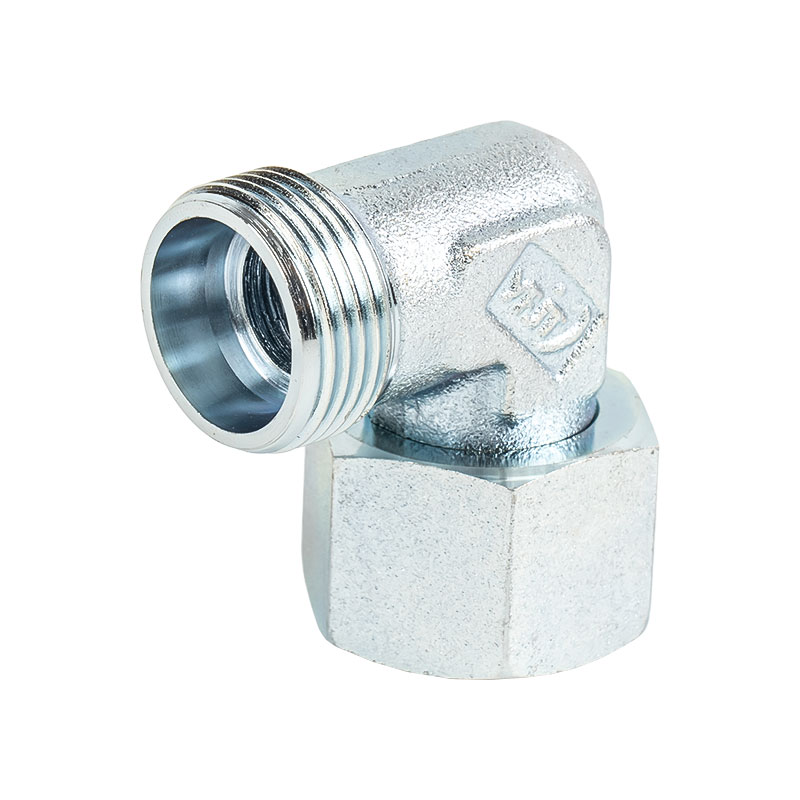
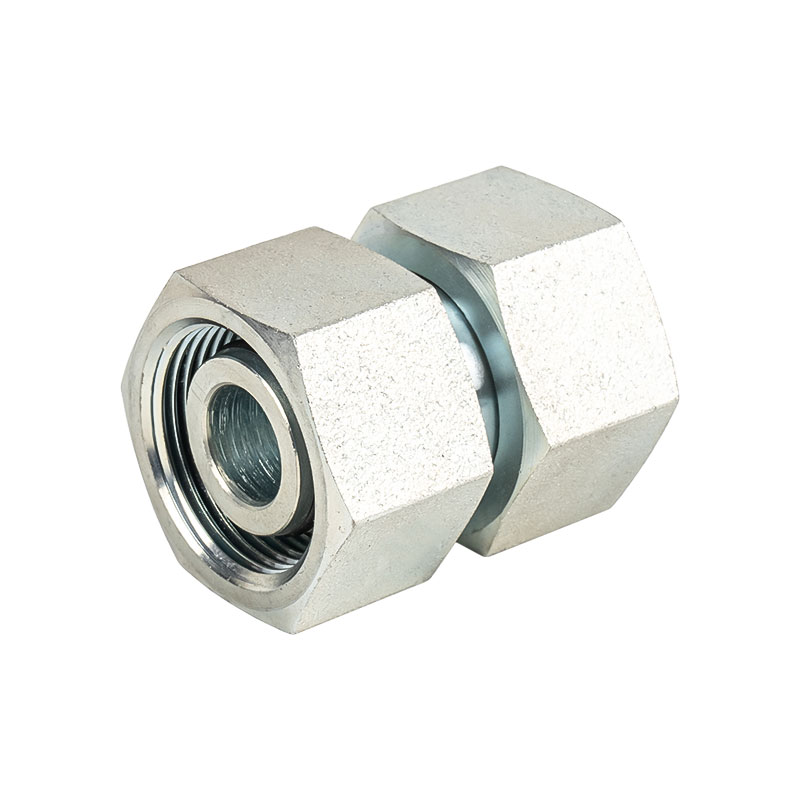
中文简体Overview of Hydraulic Adapter Fittings
Hydraulic adapter fittings are critical components in fluid power systems, connecting pipes, hoses, and equipment to ensure secure and leak-free operation. Their performance and safety depend on the ability to withstand high pressures, mechanical stress, and varying environmental conditions. To guarantee reliability, these fittings are typically subjected to rigorous testing procedures, including pressure testing and explosion resistance evaluations, during the design and manufacturing stages.
Importance of Pressure Testing
Pressure testing is a fundamental procedure to verify that hydraulic adapter fittings can withstand the operating pressures specified for the system. This test simulates real-world conditions by applying controlled internal pressure, often exceeding normal operating limits, to evaluate the fitting’s structural integrity. Successful pressure testing ensures that the fitting will not deform, leak, or fail under typical or slightly elevated hydraulic pressures.
Methods of Pressure Testing
Hydraulic adapter fittings can undergo various forms of pressure testing, including hydrostatic and pneumatic tests. Hydrostatic tests use liquid, usually water, to pressurize the fitting, providing a visual confirmation of leaks or deformation. Pneumatic tests use compressed air or gas, allowing detection of smaller leaks due to gas compressibility. Each method has advantages: hydrostatic testing is safer for high-pressure evaluation, while pneumatic testing can detect subtle defects more effectively.
Explosion Resistance Testing
Explosion resistance testing evaluates the fitting’s ability to withstand sudden and extreme pressure spikes without catastrophic failure. This testing is critical in hydraulic systems where pressure surges may occur due to pump starts, valve closures, or accidental blockages. During explosion resistance tests, fittings are exposed to pressure levels significantly higher than normal operation to assess mechanical resilience, material strength, and joint integrity. The results inform manufacturers about design safety margins and material suitability.
Design Considerations for Testing
Hydraulic adapter fittings are designed with testing requirements in mind. Factors such as wall thickness, thread design, material selection, and reinforcement structures influence their ability to withstand high pressure and resist explosion. Stainless steel, brass, and alloy steels are common materials used to enhance strength and durability. Fittings must also account for factors like vibration, temperature fluctuations, and fatigue over repeated use, which are considered during pressure and explosion testing.
Integration with System Safety
Pressure and explosion resistance tests are part of a broader safety strategy for hydraulic systems. By validating the mechanical integrity of adapter fittings, these tests reduce the likelihood of leaks, sudden ruptures, or component failures that could endanger personnel or damage equipment. Reliable fittings contribute to overall system stability, ensuring that hydraulic machinery operates within safe parameters under normal and emergency conditions.
Standards and Certification
Testing procedures for hydraulic adapter fittings often adhere to national and international standards, such as ISO 8434, SAE J514, and DIN specifications. These standards define the pressure levels, test durations, safety factors, and inspection criteria for fittings. Compliance ensures that the fittings meet regulatory requirements and maintain consistent quality across production batches.
Pressure Testing Procedures
| Step | Description | Purpose |
| Initial Inspection | Check fitting dimensions, threads, and surface finish | Ensure the fitting is free from visible defects before testing |
| Hydrostatic Pressurization | Fill the fitting with water and apply pressure above operating level | Verify leak-free performance and structural integrity |
| Observation | Monitor for leaks, deformation, or cracks during pressurization | Detect potential failure points under stress |
| Pressure Release | Gradually reduce pressure and inspect the fitting | Confirm the fitting returns to original shape and integrity is maintained |
Explosion Resistance Test Procedures
| Step | Description | Purpose |
| High-Pressure Simulation | Apply pressures significantly above rated limits using controlled equipment | Assess the fitting’s ability to withstand extreme surges |
| Structural Observation | Monitor for deformation, cracking, or fracture | Identify weak points in material or design |
| Material Evaluation | Examine microstructure and hardness after testing | Confirm material consistency and suitability for high-stress conditions |
| Post-Test Inspection | Check threads, sealing surfaces, and dimensions | Ensure fitting is still suitable for operational use |
Advantages of Tested Fittings
Hydraulic adapter fittings that undergo pressure and explosion resistance testing offer several advantages. They provide confidence that the system can operate safely under normal and extreme conditions. Testing helps prevent fluid leakage, component rupture, and unplanned downtime. Additionally, it supports quality assurance by identifying manufacturing defects or material inconsistencies before fittings are deployed in critical applications.
Maintenance and Re-testing
Even after initial testing, hydraulic adapter fittings benefit from routine maintenance and periodic inspection. This includes visual checks for wear, corrosion, and thread integrity, as well as functional re-testing in high-pressure scenarios. Regular evaluation ensures that fittings continue to meet safety standards and perform reliably throughout their service life.
Impact on Hydraulic System Design
The availability of tested fittings influences the overall design of hydraulic systems. Engineers can specify fittings with known pressure and explosion resistance capabilities, reducing the need for excessive safety margins in other components. This enables more efficient designs, cost-effective installations, and reduced risk of overengineering.
Material Selection and Testing Correlation
The performance of hydraulic adapter fittings in pressure and explosion tests is closely linked to material selection. Metals with high tensile strength and ductility, such as stainless steel or alloy steel, perform better under high-pressure conditions. Surface treatments, coatings, and heat treatment processes can further enhance resistance to stress, corrosion, and fatigue, ensuring fittings pass rigorous testing protocols.
Environmental Considerations
Hydraulic systems operate in diverse environments, including high temperatures, corrosive conditions, and fluctuating pressures. Pressure and explosion resistance testing accounts for these environmental factors to ensure that fittings will remain reliable under operational stresses. Adaptations such as corrosion-resistant coatings or reinforced threads may be incorporated based on testing outcomes.
Summary of Testing Benefits
| Test Type | Key Benefit | Typical Outcome |
| Pressure Testing | Confirms ability to handle rated and slightly higher pressures | No leaks, no permanent deformation, reliable sealing |
| Explosion Resistance Testing | Assesses resilience to sudden extreme pressure surges | Fitting maintains structural integrity without rupture |
| Combined Testing | Validates overall durability and operational safety | Fitting meets industry standards and reduces risk of failure |
Fitting Safety
Hydraulic adapter fittings that have undergone pressure and explosion resistance testing provide reliable performance in critical hydraulic systems. These tests ensure that fittings can withstand operational pressures, resist sudden surges, and maintain leak-free connections. By incorporating tested fittings, designers and operators enhance system safety, reduce maintenance requirements, and improve overall reliability of hydraulic equipment.