 English
 Español
 中文简体
中文简体Introduction to Hydraulic Adapter Fittings
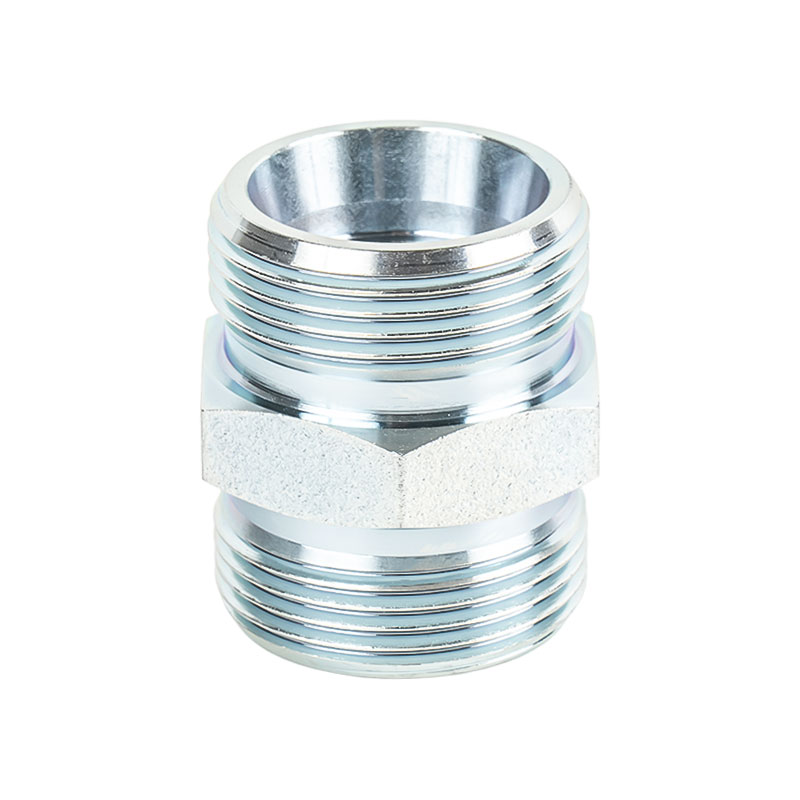
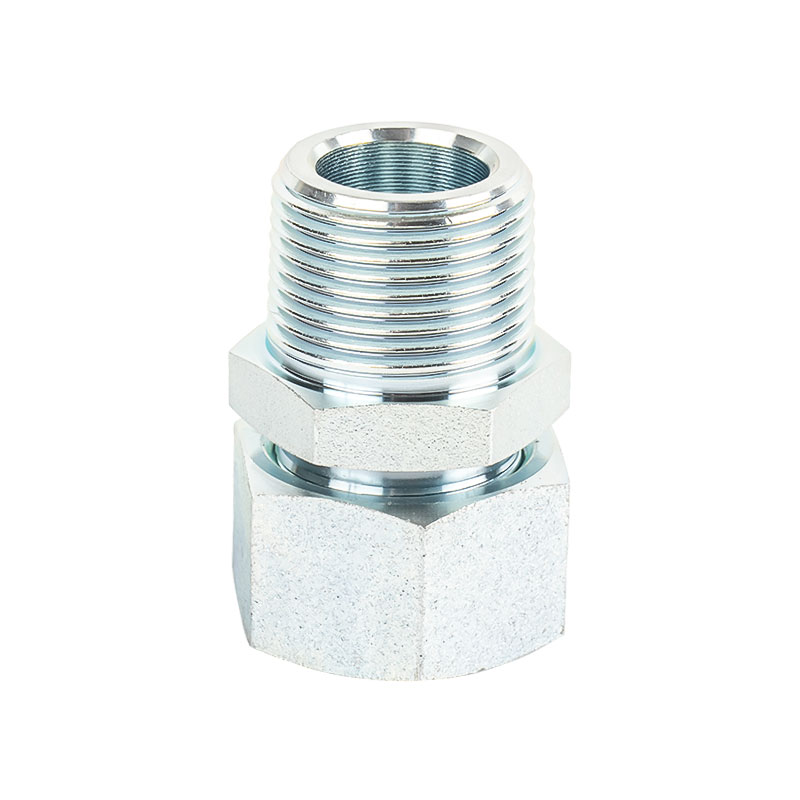
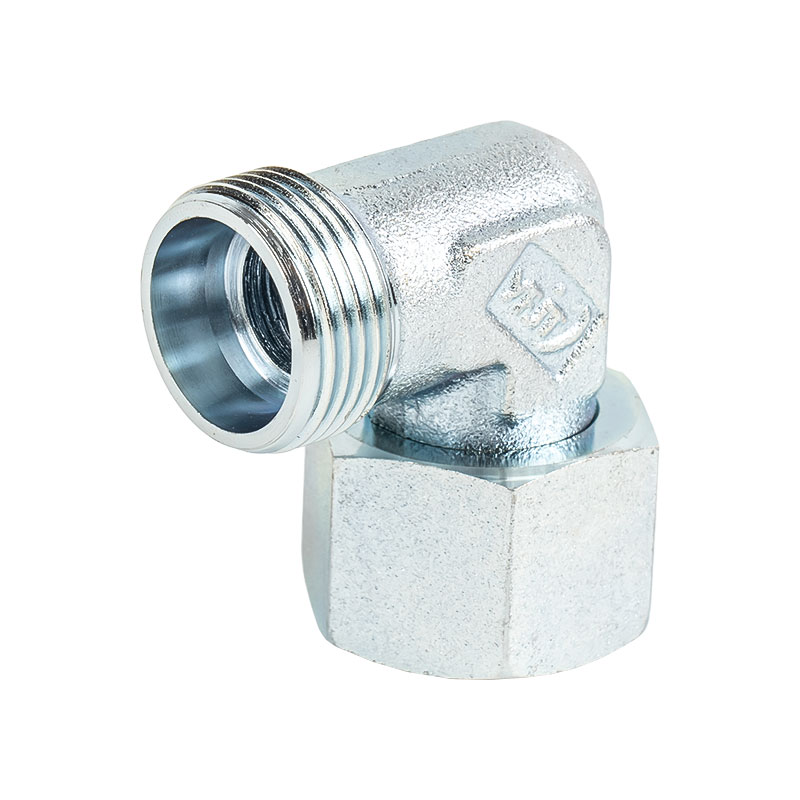
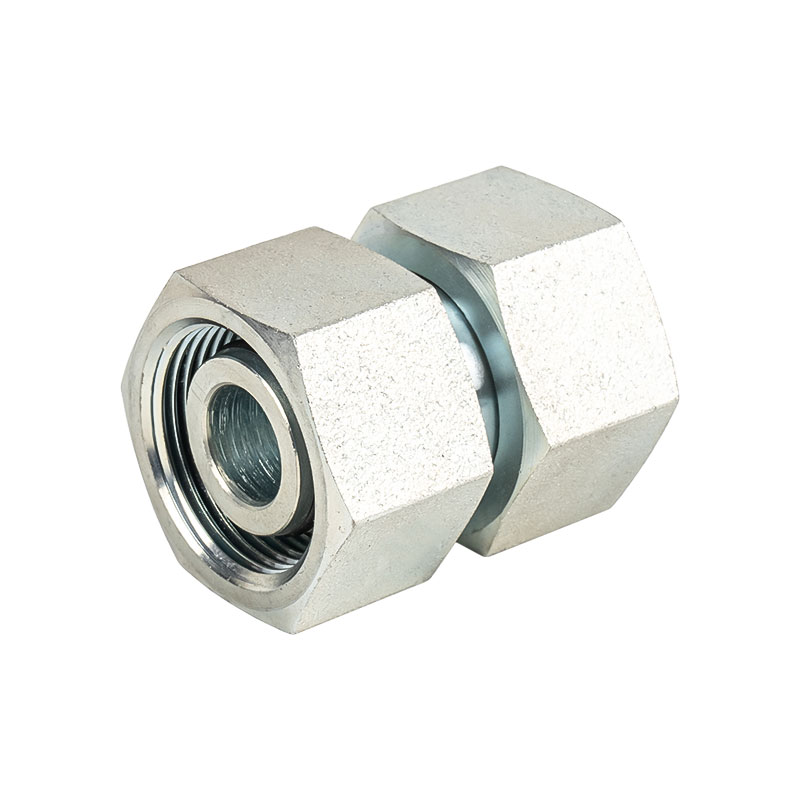
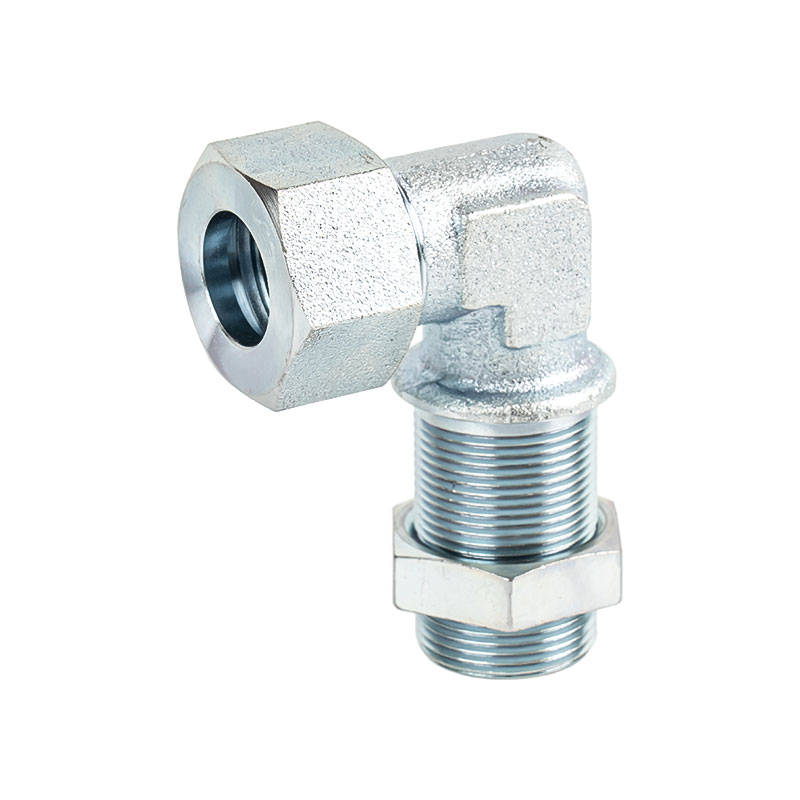
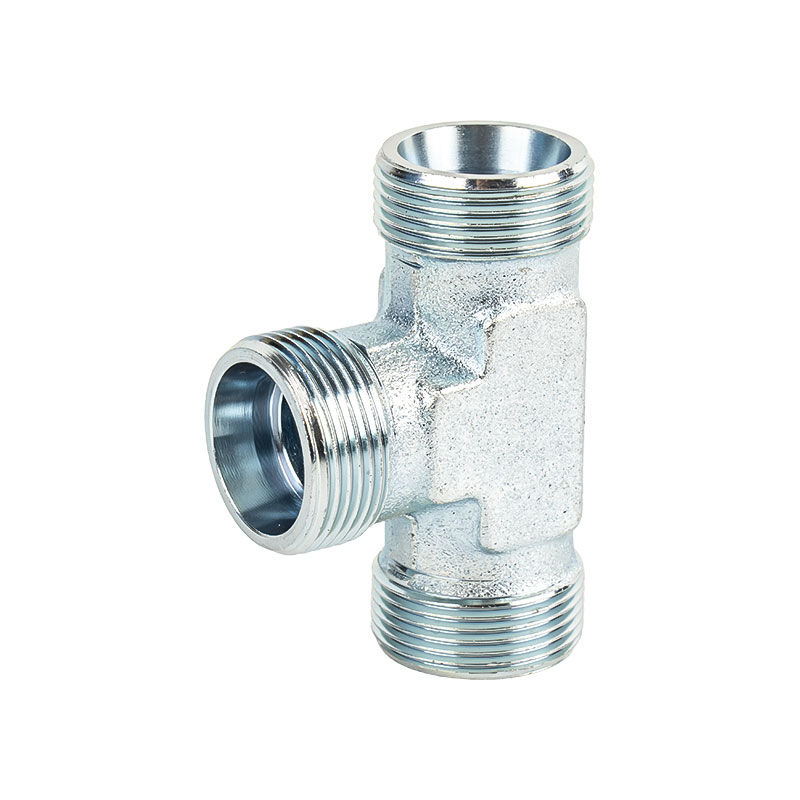
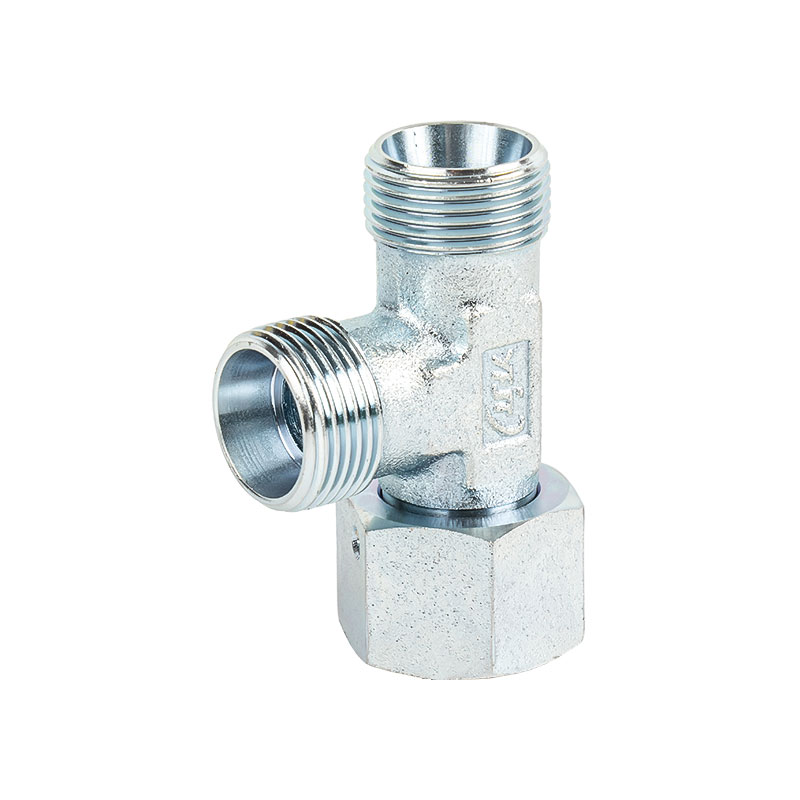
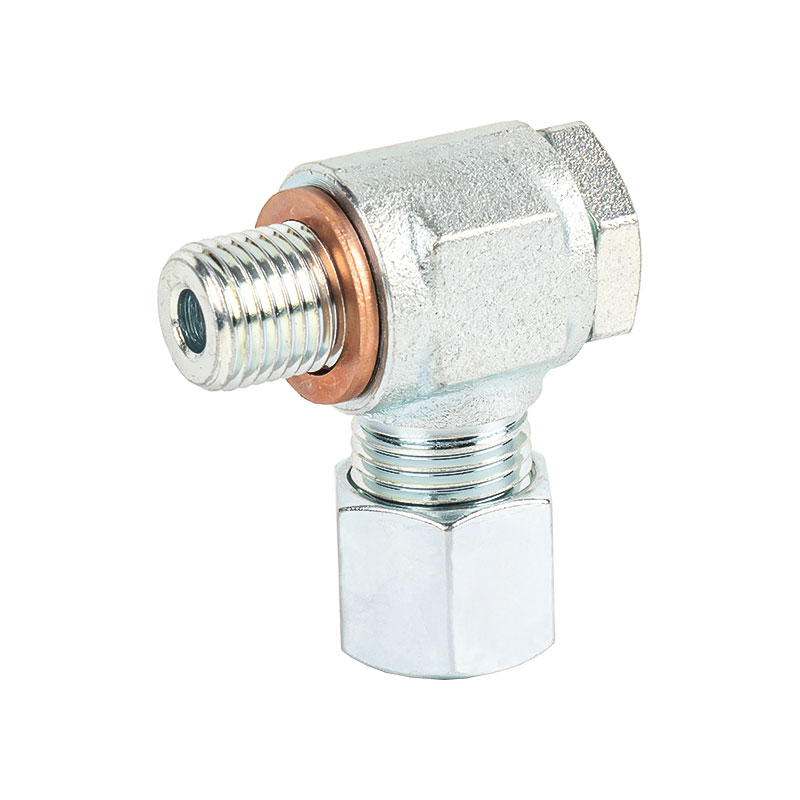
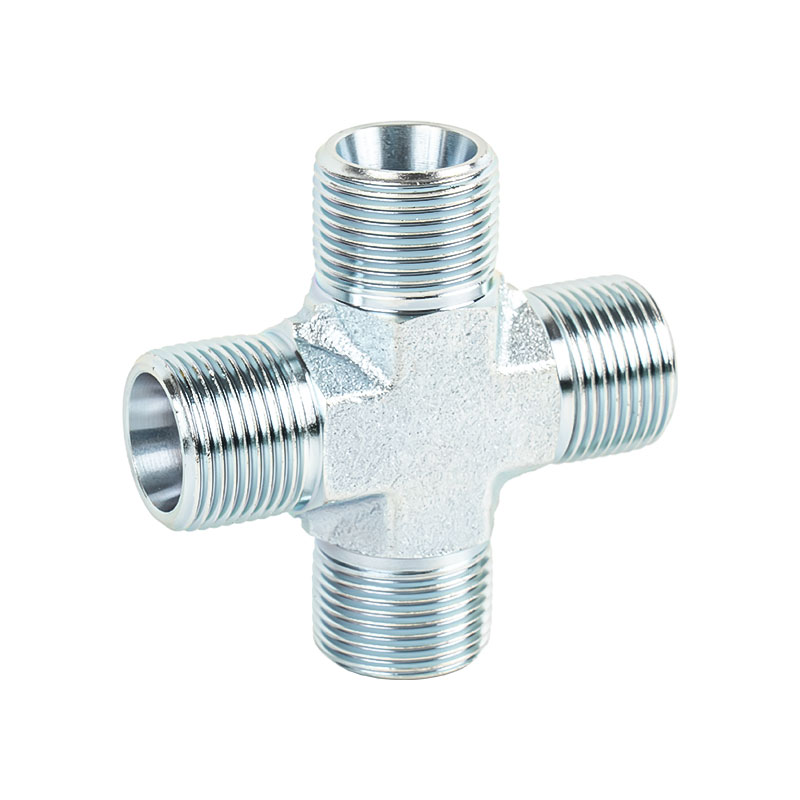
Hydraulic adapter fittings are essential components in hydraulic systems, used to connect, secure, or redirect the flow of fluids within pipes, tubes, and hoses. These fittings come in a variety of sizes, materials, and designs, depending on the specific needs of the hydraulic system. Hydraulic systems are common in industrial applications, including construction, automotive, aerospace, and manufacturing, where they are subjected to high pressures and frequent use. One of the primary concerns when selecting hydraulic adapter fittings is their ability to maintain durability in such demanding environments.
Understanding the Demands of High-Frequency Use
High-frequency use refers to conditions where hydraulic systems are frequently activated and deactivated, with minimal downtime between operations. In many industrial settings, machinery relies on hydraulic systems that are used constantly throughout the day, with operations occurring on a near-continuous basis. Hydraulic adapter fittings in such systems must be able to withstand repeated stress and mechanical loadings without failure. This includes the capacity to endure cycles of pressure fluctuation, vibration, and thermal expansion and contraction.
In these high-frequency environments, hydraulic fittings are subjected to not only the mechanical stresses generated by the continuous flow of fluid but also to wear and tear from constant movement or vibration of the connected hoses or pipes. Over time, these movements can cause metal fatigue, corrosion, or loosening of fittings, which can lead to leaks or complete failure. Therefore, the material choice, tightness of the connection, and design of the fittings play an essential role in ensuring their longevity under high-frequency conditions.
High-Pressure Working Environments
High-pressure environments are another critical aspect of hydraulic systems that can affect the durability of adapter fittings. Hydraulic systems often operate under pressures ranging from a few hundred psi (pounds per square inch) to several thousand psi, with extreme cases reaching up to 10,000 psi or more. In these high-pressure settings, the stress placed on the components, including hydraulic adapter fittings, is substantial. Any weakness or flaw in the design or material of the fitting could lead to catastrophic failure, which may result in system downtime, loss of fluid, or even safety hazards.
To maintain their durability in such environments, hydraulic adapter fittings must be made from materials that can withstand both high internal pressures and external forces. Steel, stainless steel, and brass are some of the most commonly used materials for hydraulic fittings because of their strength and resistance to pressure. However, each material has its own limitations when exposed to prolonged high-pressure use. For example, while steel can withstand high-pressure environments, it may suffer from corrosion over time, particularly in systems exposed to moisture or corrosive fluids. Stainless steel is more resistant to corrosion but may still be susceptible to stress corrosion cracking under certain conditions.
Materials and Their Role in Durability
The material selection for hydraulic adapter fittings is one of the most important factors determining their performance and durability. In high-frequency use and high-pressure environments, materials must exhibit a combination of strength, flexibility, and resistance to wear. Common materials used for hydraulic fittings include carbon steel, stainless steel, brass, and aluminum, with each offering different advantages and disadvantages based on the working conditions.
Carbon steel is a popular choice for hydraulic adapter fittings due to its high tensile strength, which enables it to withstand high-pressure conditions. It is also relatively cost-effective and can be heat-treated to improve its properties. However, carbon steel fittings are prone to corrosion if exposed to moisture or aggressive fluids, which can weaken the material over time and reduce the fitting's lifespan. To mitigate this risk, carbon steel fittings are often coated with protective layers, such as zinc or epoxy, to prevent corrosion.
Stainless steel fittings are favored for their excellent corrosion resistance, particularly in environments where exposure to moisture or corrosive chemicals is a concern. Stainless steel's resistance to rust and corrosion makes it suitable for high-pressure applications in industries such as chemical processing, oil and gas, and marine environments. However, stainless steel fittings can be more expensive than carbon steel options, and while they offer high strength, they may be more prone to stress corrosion cracking under extreme pressure and vibration if not properly maintained.
Brass is another common material used for hydraulic fittings, known for its resistance to corrosion and ease of machining. It is often used in lower-pressure applications or where a higher level of precision is needed. Brass is not as strong as steel, but its corrosion resistance and durability in mild environments make it a good choice for certain hydraulic systems. Aluminum fittings, on the other hand, are lightweight and resistant to corrosion, but they are typically used in systems with lower pressure demands. Aluminum is not suitable for high-pressure applications due to its lower strength compared to steel or stainless steel.
Design Considerations for Durability
In addition to material selection, the design of hydraulic adapter fittings is also a crucial factor in their ability to withstand high-frequency use and high-pressure environments. The design must ensure that the fitting is able to maintain a secure connection under varying pressures without leaking or loosening. A proper fit is essential for ensuring that the hydraulic system functions as intended, and that the flow of fluid remains consistent.
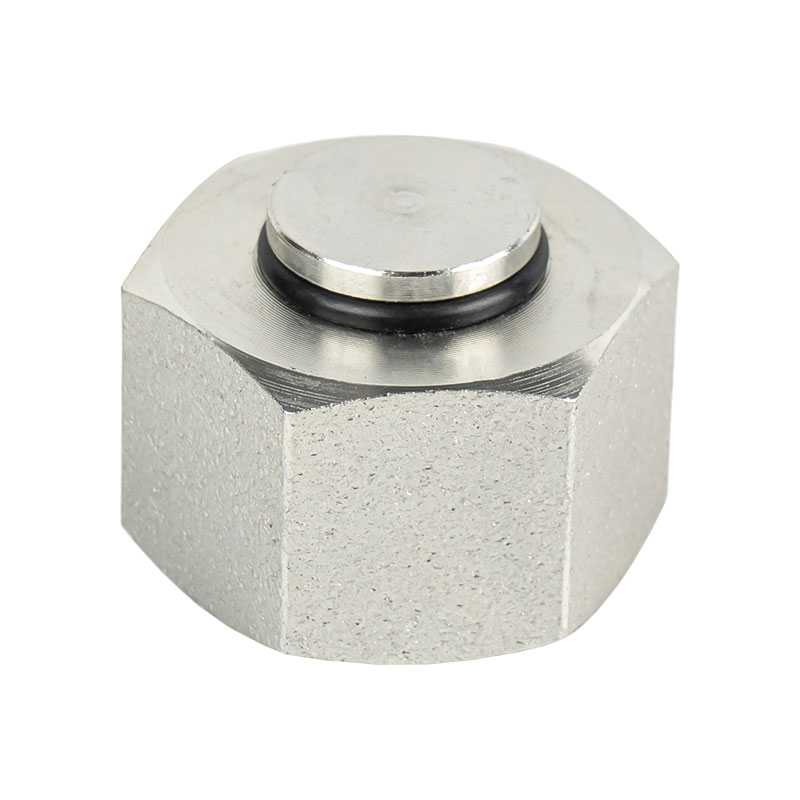
One important design consideration is the presence of seals and O-rings within the hydraulic adapter fittings. These components help create a tight, leak-proof seal between the fitting and the pipe or hose, preventing fluid from escaping under pressure. Over time, however, seals and O-rings can wear out due to repeated cycling, exposure to high temperatures, and the harsh conditions within the hydraulic system. Regular maintenance and replacement of seals are essential to maintaining the effectiveness and durability of the hydraulic fitting.
Additionally, the threading and surface finish of hydraulic adapter fittings are important in preventing issues such as loosening or deformation. Poorly machined threads or rough surfaces can lead to improper sealing and increase the likelihood of leaks. Precision engineering of threads and surfaces ensures that the fittings remain tightly connected under high pressure and prevent wear that could compromise their performance over time.
Maintenance Practices for Longevity
Regular maintenance is crucial to ensuring the durability and reliability of hydraulic adapter fittings, particularly in high-frequency use and high-pressure environments. Over time, hydraulic systems experience wear and tear, and the fittings may be exposed to extreme conditions, which can cause degradation. Regular inspection and preventive maintenance can help identify potential issues before they lead to failure.
One key aspect of maintenance is checking the tightness of the hydraulic fittings. Over time, vibration and pressure fluctuations can cause fittings to loosen, leading to leaks. Periodic checks can help ensure that all fittings are securely tightened and that there are no signs of leaks. In addition to checking the tightness, inspecting the fittings for signs of corrosion, wear, or cracks is essential. Corrosion, in particular, can weaken the material and reduce the fitting's ability to withstand high-pressure conditions.
Another important maintenance task is replacing seals and O-rings. These components are subject to wear due to constant fluid flow and pressure changes. When seals become damaged or worn, they can result in fluid leaks, which may compromise the efficiency of the hydraulic system. Regularly replacing seals and O-rings can prevent such issues and prolong the lifespan of the fittings. Furthermore, cleaning the fittings periodically to remove dirt, debris, and accumulated fluids can help maintain their performance and prevent blockages or damage.
Conclusion: Ensuring Durability in Challenging Conditions
Hydraulic adapter fittings can maintain their durability in high-frequency use and high-pressure environments, but their performance depends on several factors, including the materials used, the design of the fittings, and regular maintenance. Selecting the appropriate materials, such as stainless steel or high-strength alloys, is crucial for withstanding the demands of high-pressure systems. Additionally, precision design, including secure threading and effective sealing mechanisms, ensures a tight, leak-free connection under varying pressure conditions.
To ensure longevity, regular maintenance practices such as inspecting for wear, checking for corrosion, and replacing seals and O-rings are essential. By taking these measures, hydraulic adapter fittings can continue to perform reliably even in the most demanding conditions, ensuring the overall efficiency and safety of hydraulic systems. Properly selected and maintained hydraulic adapter fittings play an integral role in the long-term success of any hydraulic system, particularly in high-frequency and high-pressure applications.