 English
 Español
 中文简体
中文简体Overview of Hydraulic Adapter Fittings in High-Frequency Systems
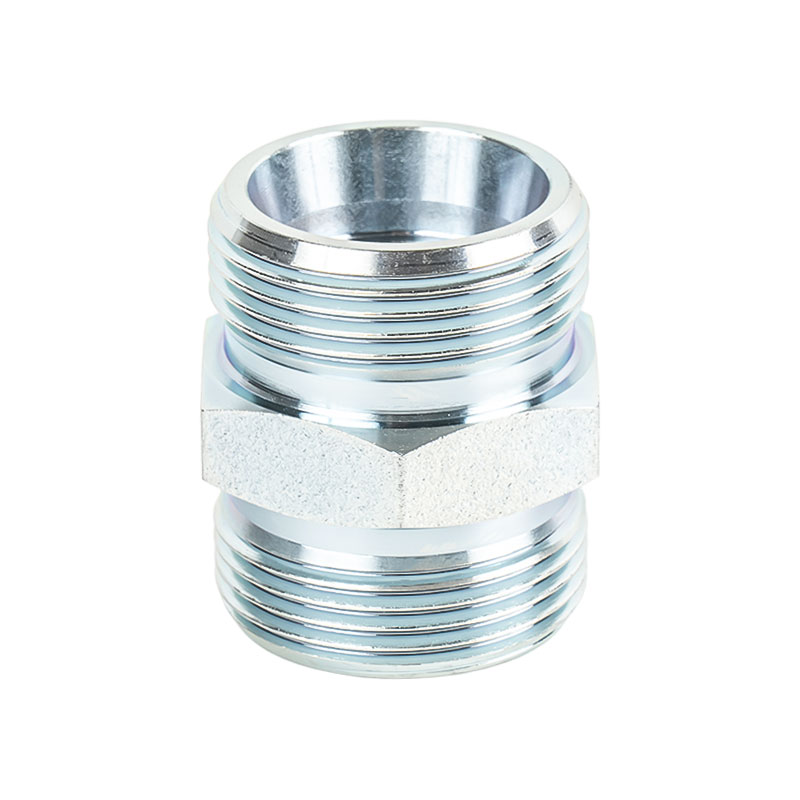
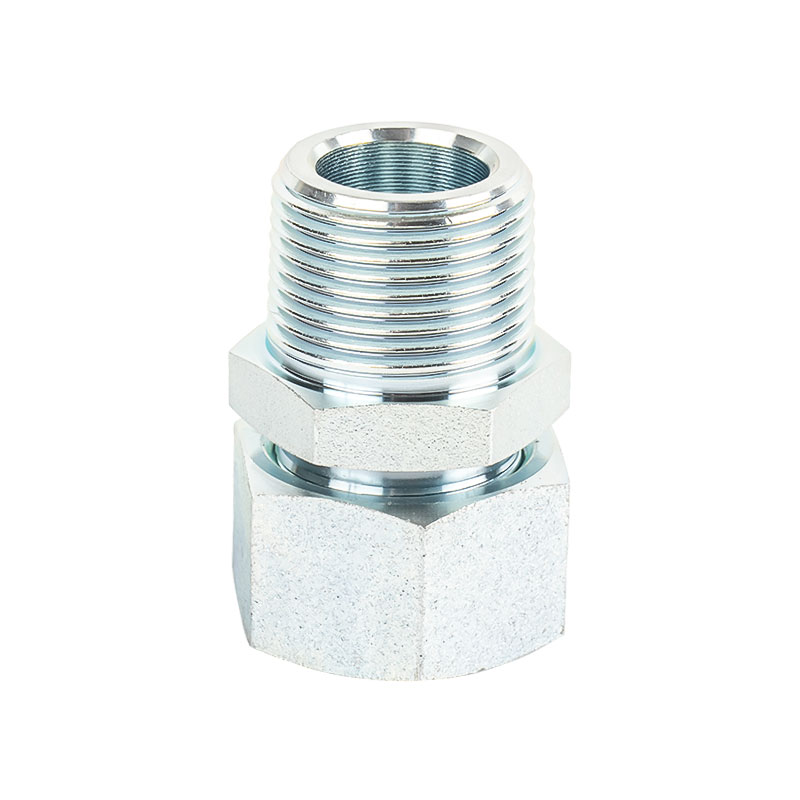
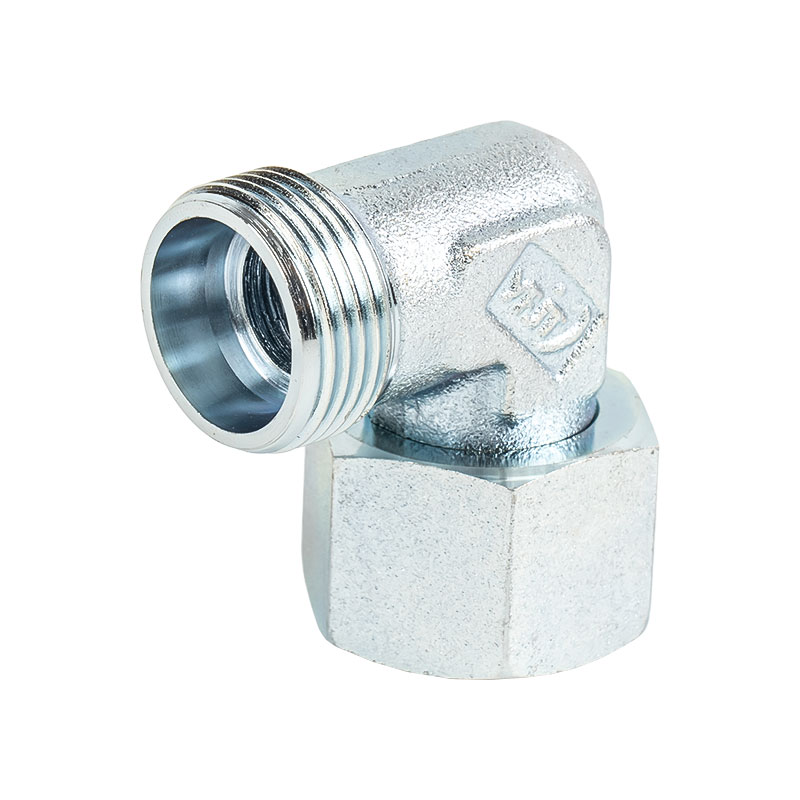
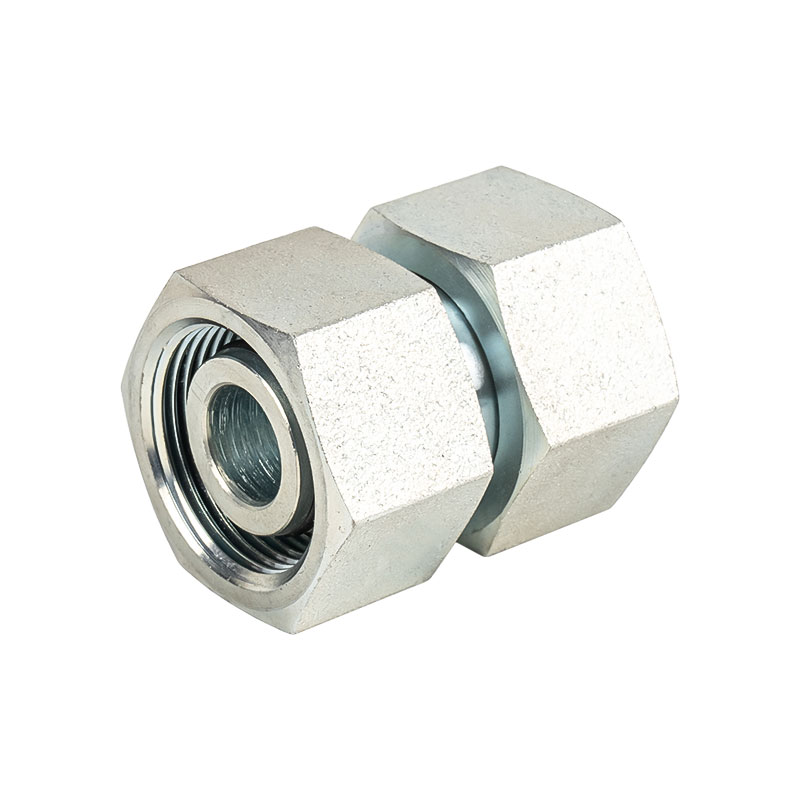
Hydraulic adapter fittings serve as critical junctions in hydraulic circuits, connecting hoses, pipes, and machinery components. In pulse or high-frequency hydraulic systems, where rapid pressure changes occur, fittings are exposed to repeated stress cycles that can challenge their durability. Ensuring that hydraulic adapter fittings can perform reliably under these conditions is essential for maintaining system stability, preventing leaks, and avoiding premature failure.
Challenges in Pulse Hydraulic Systems
Pulse hydraulic systems are characterized by rapid variations in pressure and flow, often resulting from fast-acting valves or high-speed actuators. These systems can produce significant transient loads on fittings, creating risks such as vibration-induced loosening, fatigue in threads, and micro-leakage at seals. Fittings used in such applications must maintain sealing integrity while withstanding cyclical pressure changes without deforming or failing.
Material Considerations for High-Frequency Use
The material selection for hydraulic adapter fittings is critical when used in pulse or high-frequency systems. Metals such as stainless steel, carbon steel, or high-strength alloys are preferred due to their ability to resist fatigue and maintain structural stability under repeated loading. Surface treatments, such as plating or passivation, can improve corrosion resistance, which is particularly important as micro-movements during pulsation may expose raw material to hydraulic fluid or environmental contaminants.
Design Features Supporting High-Frequency Applications
Hydraulic adapter fittings designed for pulse systems often include reinforced threading, thicker walls, and optimized sealing surfaces. These features help distribute stress evenly and reduce the likelihood of deformation or leakage under rapid pressure changes. Additionally, fittings may incorporate vibration-resistant mechanisms, such as lock nuts or anti-rotation designs, to maintain tight connections despite the dynamic forces in high-frequency systems.
Testing for Pulse and High-Frequency Suitability
To ensure compatibility with pulse hydraulic systems, adapter fittings are subjected to rigorous testing. Fatigue testing simulates repeated pressure cycles to evaluate material endurance. High-frequency pressure testing exposes the fitting to rapid pressure surges, assessing its sealing capability and structural integrity under transient loads. These tests help identify potential failure points and confirm the fitting's reliability before deployment.
Impact of Seal Types
The type of sealing used in hydraulic adapter fittings greatly affects performance in pulse systems. O-rings, bonded seals, or high-pressure gaskets must accommodate rapid pressure fluctuations without extrusion, leakage, or degradation. Seal material selection, such as nitrile, Viton, or polyurethane, is based on hydraulic fluid compatibility and the expected pressure frequency. Properly designed seals help maintain long-term system integrity even under frequent pulsations.
Integration with System Design
Hydraulic adapter fittings must be considered within the overall system design, especially in high-frequency applications. The length, diameter, and orientation of connected hoses or pipes influence vibration and pressure wave propagation. Coordinating fitting selection with hose type and hydraulic component layout reduces stress concentrations and improves the system’s ability to absorb transient loads without compromising performance.
Maintenance and Monitoring
Regular inspection and maintenance are important for fittings in pulse hydraulic systems. Periodic checks for thread integrity, seal wear, and minor leaks help identify issues before they escalate. Monitoring tools, such as pressure sensors and flow meters, can detect unusual fluctuations or micro-leaks that indicate fitting degradation. Proactive maintenance ensures continuous reliability and reduces downtime in high-frequency applications.
Comparative Analysis of Fittings for Different Pressure Conditions
| Fitting Type | Recommended Application | Advantages | Considerations |
| Standard Adapter Fittings | Low-frequency, steady pressure systems | Cost-effective, widely available | May wear quickly under pulse loads |
| High-Frequency Reinforced Fittings | Pulse or high-frequency hydraulic systems | Improved fatigue resistance, stable seals | Higher manufacturing cost |
| Vibration-Resistant Fittings | Systems with rapid pressure cycles or external vibration | Maintains connection integrity, reduces micro-leaks | Requires precise installation and torque control |
Benefits of Using Suitable Fittings in Pulse Systems
Choosing hydraulic adapter fittings specifically designed for high-frequency or pulse applications ensures several benefits. These include sustained sealing performance under repeated pressure fluctuations, reduced risk of sudden leaks or rupture, and longer service life for both the fitting and connected components. Using appropriate fittings also enhances overall system efficiency and reliability, contributing to safer and more consistent hydraulic operation.
Environmental and Operational Considerations
Pulse and high-frequency systems may operate in challenging environments, including extreme temperatures, moisture exposure, and chemical contact. Fittings must resist corrosion and maintain mechanical strength under these conditions. Material selection, coatings, and seal compatibility are critical to ensuring reliable performance while minimizing the risk of failure due to environmental factors.
Installation and Torque Guidelines
Proper installation is vital for fittings used in pulse systems. Torque specifications ensure that threads are tight enough to prevent leaks but not so tight as to induce stress that could compromise fatigue life. Using thread sealants or anti-vibration washers may further enhance reliability. Adhering to manufacturer guidelines helps maintain the intended performance and reduces maintenance requirements.
Summary of High-Frequency Suitability Factors
| Factor | Importance | Design Implication |
| Material Strength | Resists fatigue and transient loads | Use stainless steel or alloy materials |
| Seal Type | Maintains leak-free performance | Select elastomers compatible with fluid and pressure frequency |
| Thread Design | Prevents loosening and extrusion under vibration | Reinforced or fine threads with locking mechanisms |
| Wall Thickness | Enhances pressure tolerance | Design for higher-than-operating pressures |
Pulse System Compatibility
Hydraulic adapter fittings suitable for pulse or high-frequency systems must combine material strength, reinforced design, suitable seals, and proper installation procedures. Rigorous testing under cyclic pressures confirms their ability to maintain performance, prevent leakage, and withstand transient loads. Selecting the correct fittings enhances system reliability, safety, and longevity in high-frequency hydraulic applications.