 English
 Español
 中文简体
中文简体These days, you see hydraulic systems everywhere: construction machines, agricultural equipment, factory automation, even some heavy-duty vehicles. But one part that often gets overlooked is the hydraulic adapter fitting. It sounds small and simple, but it plays a huge role in making hydraulic systems work safely and efficiently.
So if you are in the manufacturing industry, this is one of those "silent hero" components you don’t want to ignore. Let’s talk about what hydraulic adapter fittings are, why they matter, and what you should know before choosing or using them.
What Is a Hydraulic Adapter Fitting?
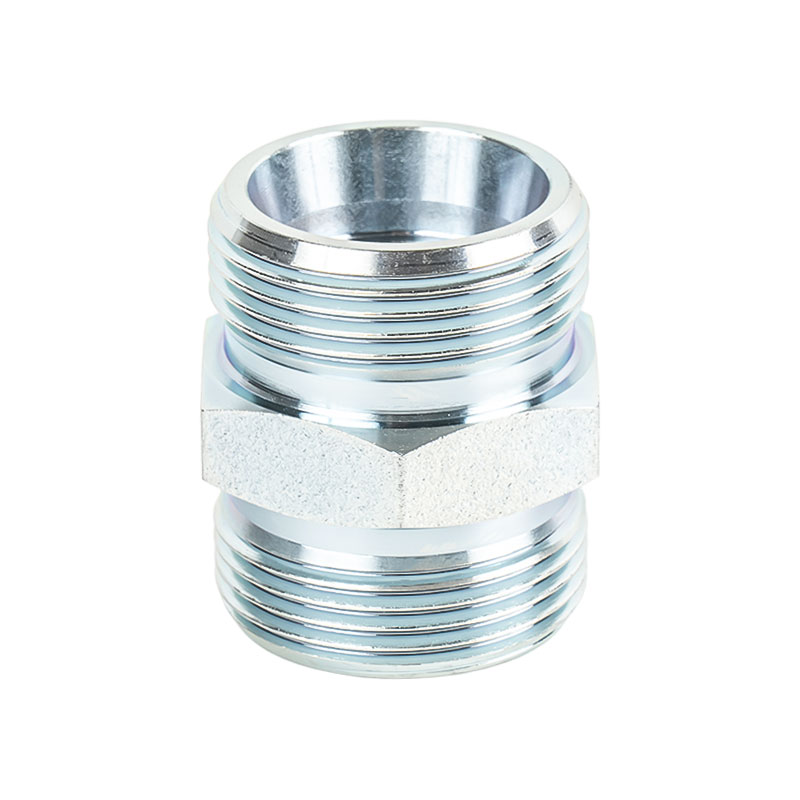
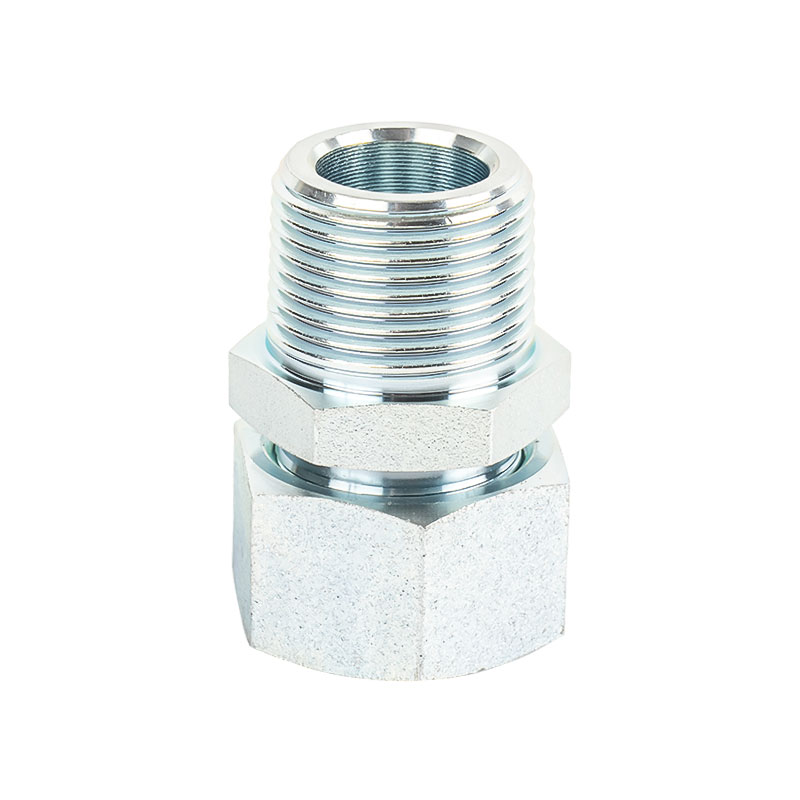
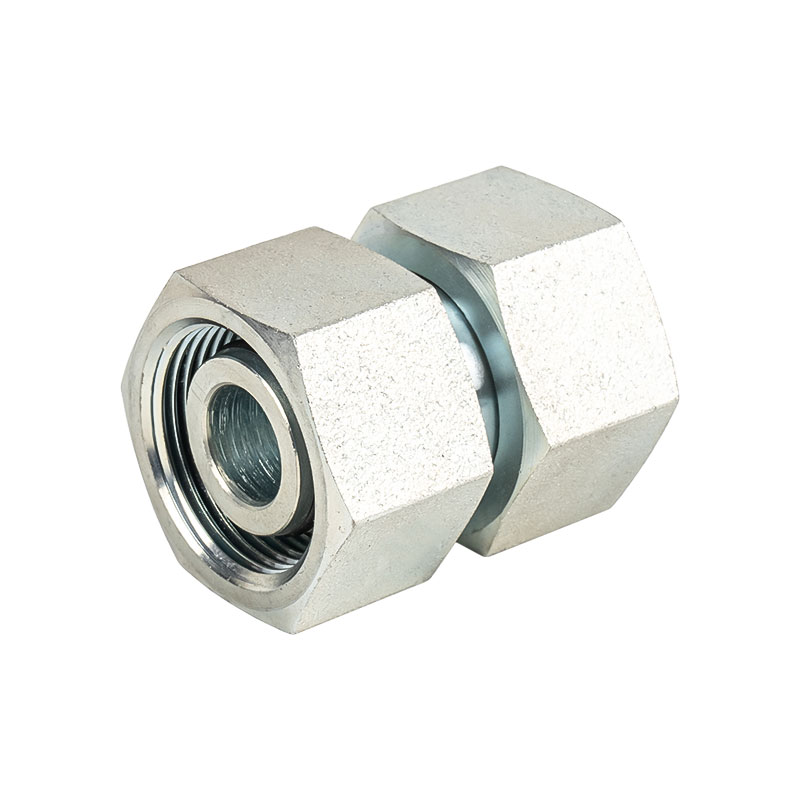
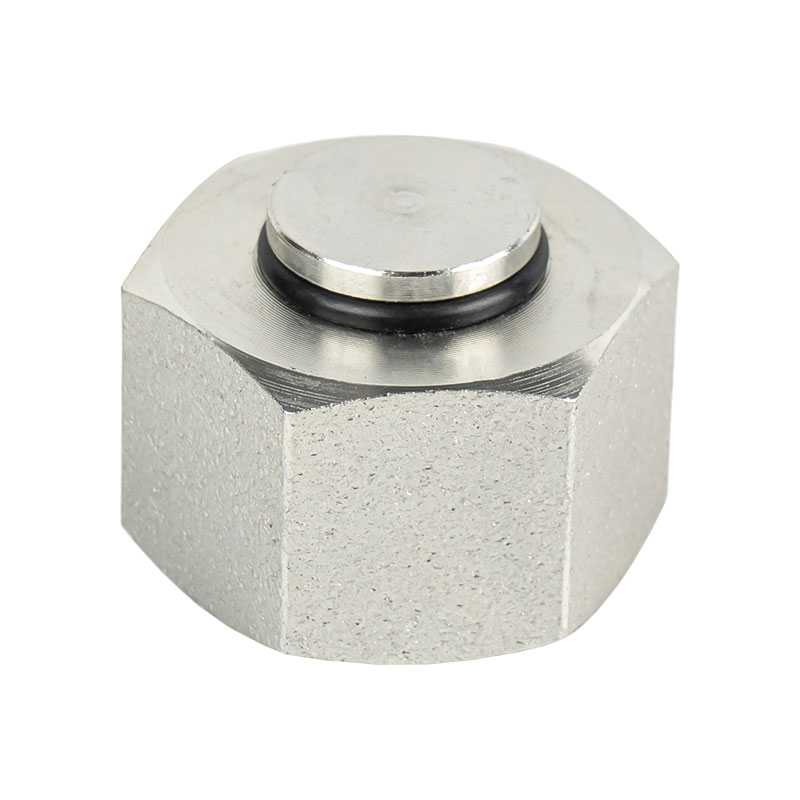
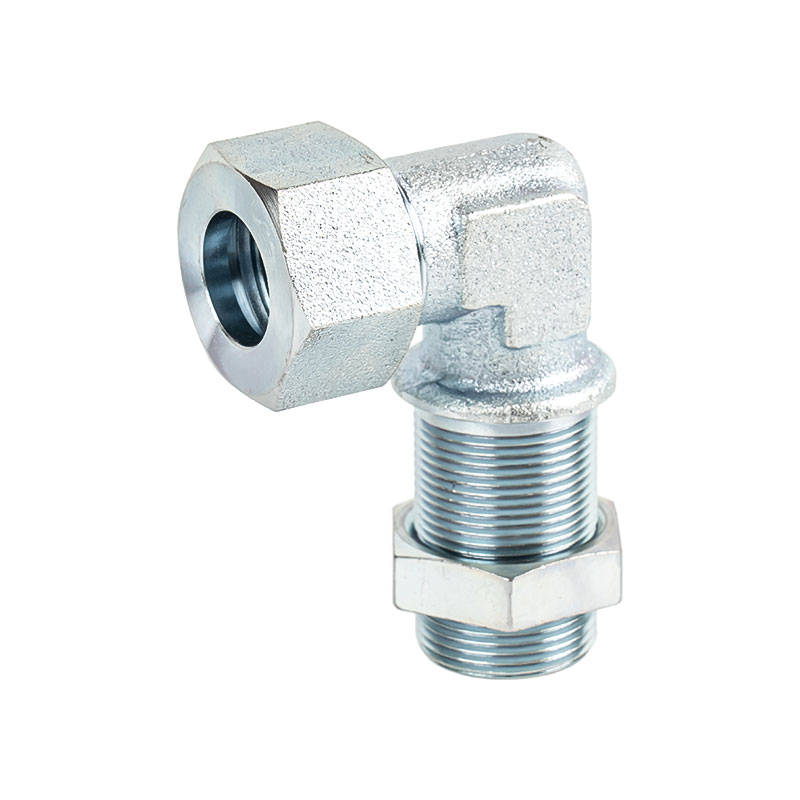
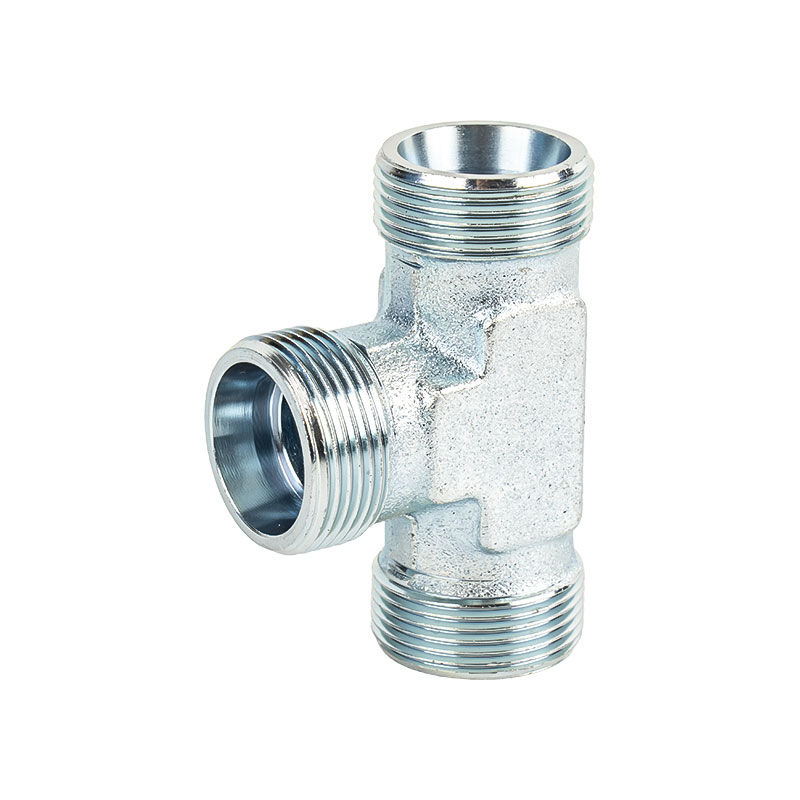
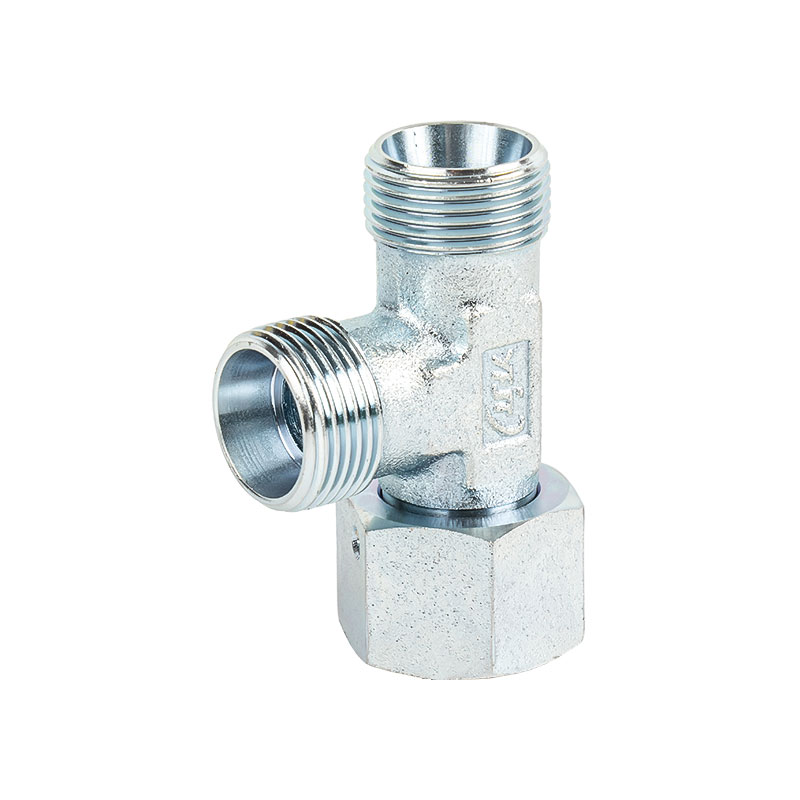
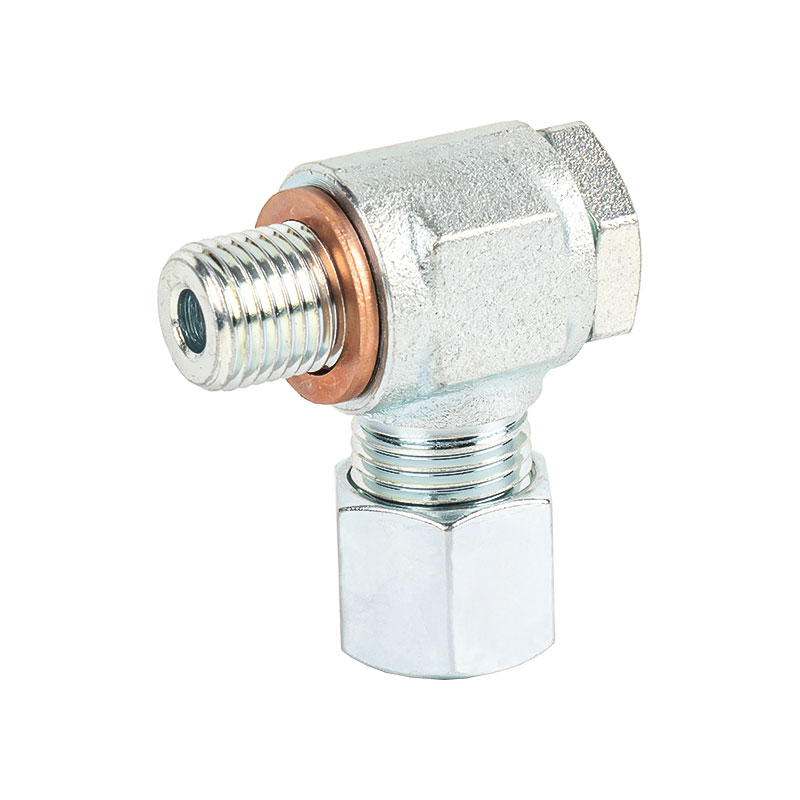
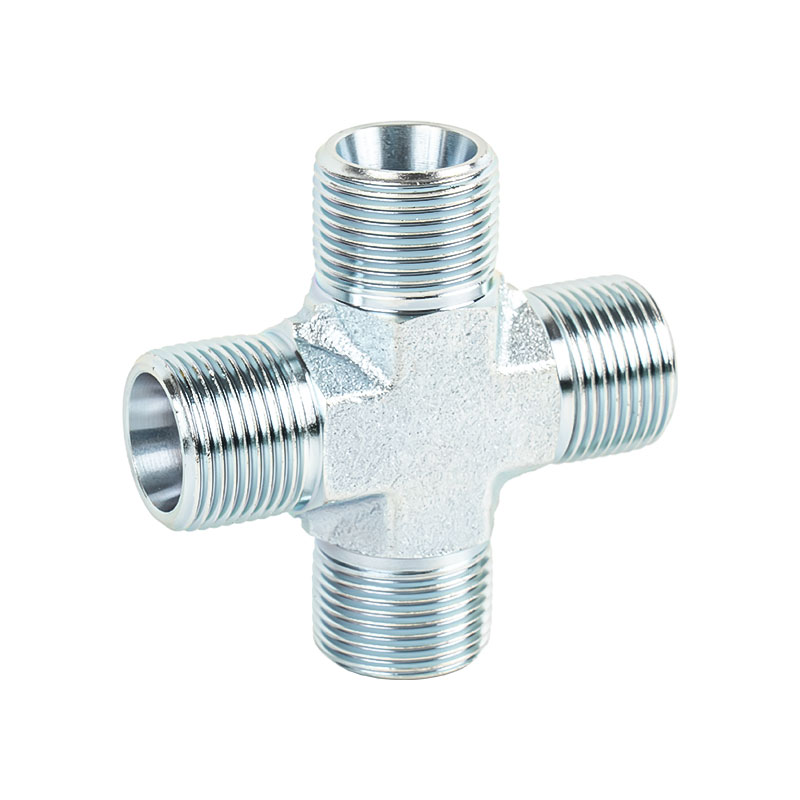
A hydraulic adapter fitting is a connector that joins two different hydraulic components, like hoses, tubes, pumps, valves, or cylinders. The key point is that the two parts might have different thread types, sizes, or connection styles, and the adapter fitting helps them connect properly.
Think of it like a travel adapter for electrical plugs. The plug is the hydraulic component, and the adapter fitting helps it connect to a different socket.
Why Is It Important?
Hydraulic systems rely on pressure. If the connection is not stable or sealed correctly, you can get leaks, pressure loss, and even system failure. In the worst case, a loose or incorrect fitting can cause safety hazards or damage to expensive equipment.
Hydraulic adapter fittings are important because they:
- - Ensure safe and reliable connections
- - Help systems adapt to different parts or standards
- - Reduce downtime by simplifying assembly and repair
- - Improve performance by maintaining pressure and flow
- In short, they keep the hydraulic system running smoothly.
When Are Hydraulic Adapter Fittings Used?
They are used anytime two hydraulic components need to connect but don’t match directly. This happens more often than people think.
Common scenarios include:
- - Upgrading a system with new components
- - Repairing equipment with mixed parts from different suppliers
- - Building custom hydraulic systems for specific applications
- - Converting between different thread standards (like BSP to NPT)
- - Connecting hoses to different ports or valves
If your hydraulic system is not fully standardized, adapter fittings are almost always involved.
How Do Hydraulic Adapter Fittings Work?
At the basic level, adapter fittings provide a sealed path for hydraulic fluid to flow from one component to another. But they also need to handle high pressure, vibration, and temperature changes.
1. Thread Conversion
One of the most common uses is converting thread types. For example, a pump may have a BSP thread, while the hose has an NPT thread. An adapter fitting converts one to the other.
2. Size Matching
Sometimes the threads match but the sizes are different. An adapter fitting can bridge that gap and maintain a stable connection.
3. Seal and Pressure Control
Adapter fittings must seal correctly to prevent leaks. Many use metal-to-metal sealing, O-rings, or cone seals depending on the design and pressure requirements.
4. Direction or Angle Changes
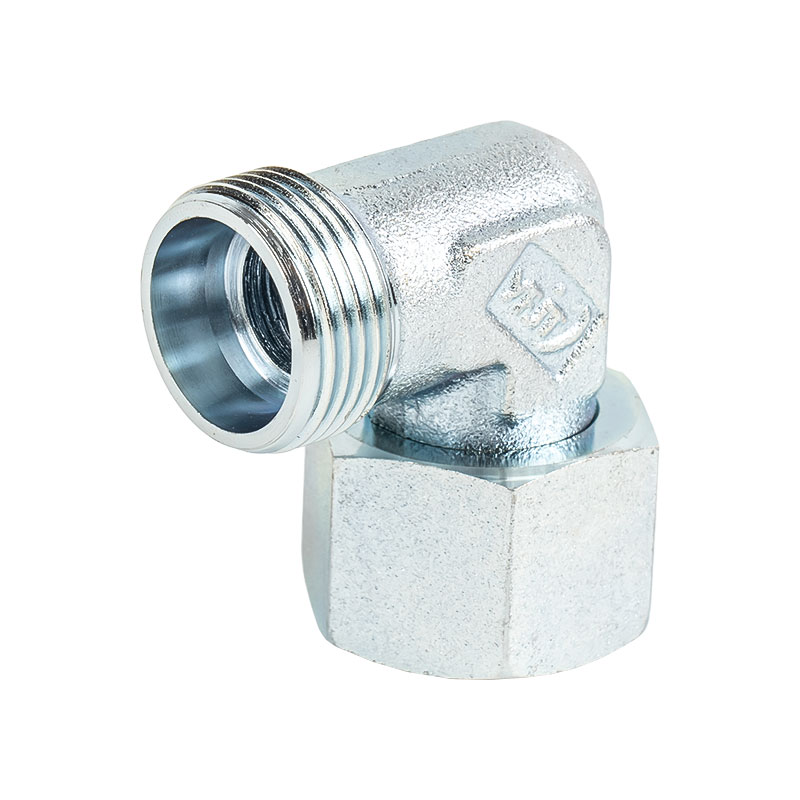
Some adapter fittings change the direction of the flow or provide angled connections to fit into tight spaces. These are especially useful in complex hydraulic systems.
What Are the Trade-Offs?
Like any component, hydraulic adapter fittings have pros and cons. The key is choosing the right fitting for the job.
Pros
- - Flexible and adaptable for different system layouts
- - Saves time during assembly and maintenance
- - Helps connect mixed parts from different suppliers
- - Improves system compatibility
- - Supports high-pressure systems when designed properly
Cons
- - Adds an extra connection point, which can be a leak risk if not installed properly
- - Incorrect fitting selection can cause pressure loss or damage
- - Some fittings can reduce flow slightly due to internal design
- - Higher cost compared to direct connections
So the trade-off is mainly between flexibility and potential risk. If you use the wrong fitting, the system may suffer. If you choose the right one, the system becomes more flexible and easier to maintain.
What Should You Pay Attention To?
When selecting hydraulic adapter fittings, these are the most important things to check:
1. Pressure Rating
Hydraulic systems operate under high pressure. Make sure the fitting’s pressure rating matches or exceeds your system’s maximum pressure.
2. Thread Type and Size
Check both ends carefully. One mismatch can lead to leaks or damage.
3. Material and Corrosion Resistance
Hydraulic systems may run in harsh environments. Stainless steel fittings offer better corrosion resistance, while carbon steel fittings may be more cost-effective.
4. Sealing Type
Different fittings use different sealing methods. Make sure the sealing type is compatible with your system and fluid.
5. Compatibility with Hydraulic Fluid
Hydraulic oil types vary. Confirm that the fitting material and seals are compatible with your fluid to avoid degradation or leakage.
Final Thoughts
Hydraulic adapter fittings may look small, but they are critical for system reliability and performance. In modern manufacturing, where systems are often upgraded or customized, adapter fittings play a central role.
For manufacturers, the opportunity is clear: produce reliable, high-quality adapter fittings with clear specifications and strong quality control. When you do that, you not only help customers build better hydraulic systems, but you also build a reputation for reliability and performance.